
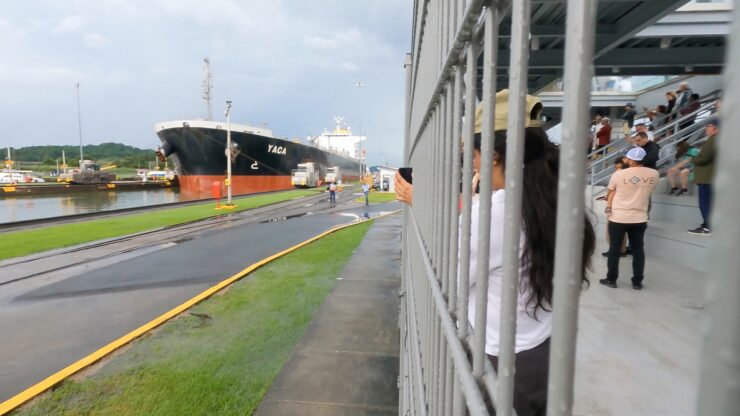
I grew up hearing stories about the Panama Canal from my grandmother, a woman who had made it to all seven continents by age 80. She used to explain the ingenuity it took to create such a feat of manpower, connecting the world through trade and commerce. Decades ago, before it was a real cruise stop, she got to see the canal in person. She loved sharing the story, especially since her husband was an engineer and worked on many modern man-made marvels.
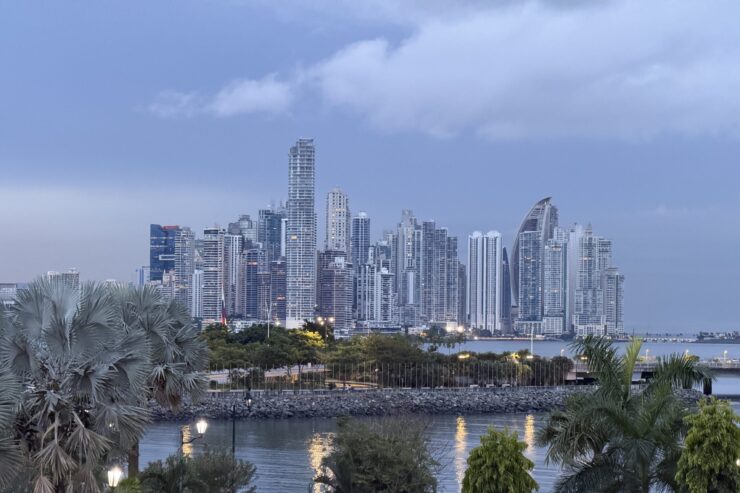
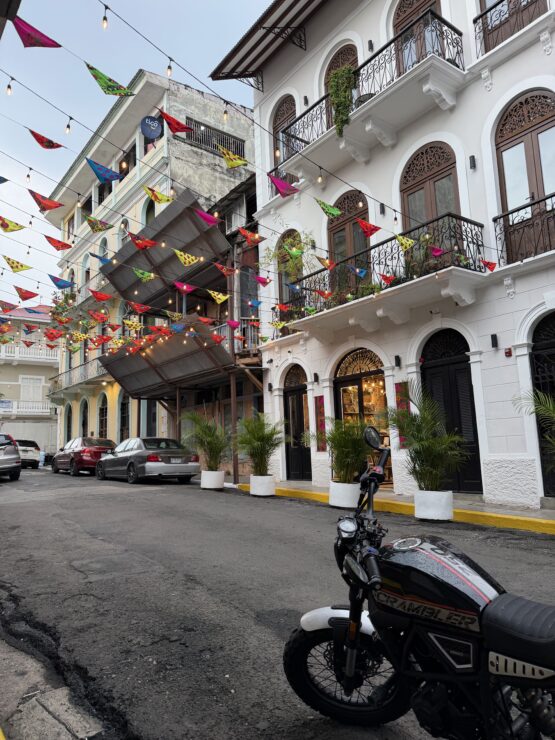
But that’s where the story ended. I never heard anything else about Panama or Panama City. I came to assume it was a layover spot, or a place some cruise ships pass by to offer a quick hop off the boat for an afternoon.
Fortunately, the opportunity to linger in Panama City for a few days came along. I jumped at the chance to truly immerse myself in the city’s vibrant art, history, and culinary scene.
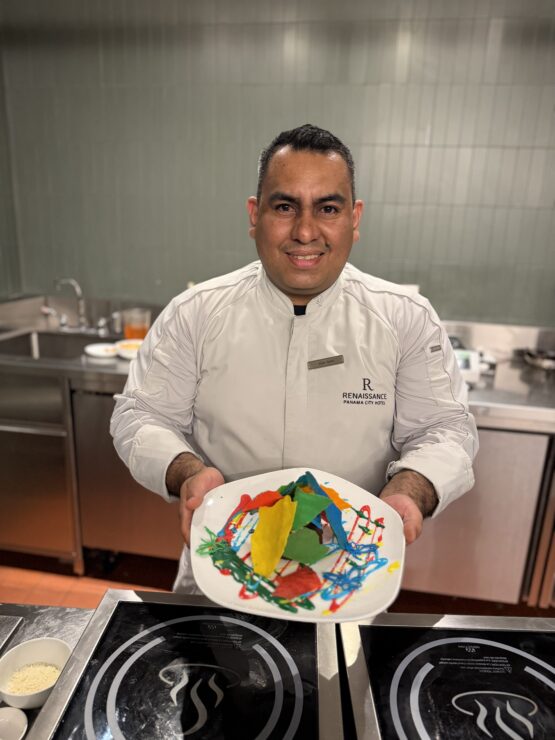
A Base Downtown with Nods to Indigenous Culture
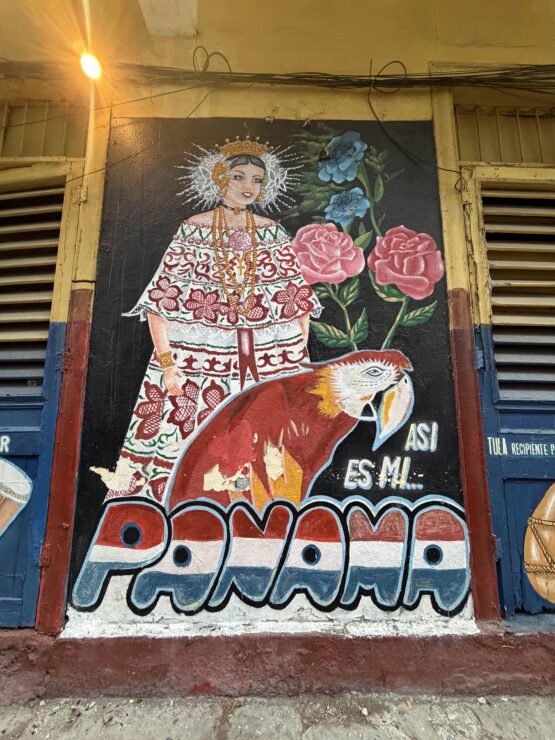
At first pass, the Renaissance Panama City Hotel may seem like many others on brand: chic, bright, and welcoming in a familiar way. But what makes this Renaissance special are the small details that pay homage to Panama’s vibrant indigenous culture.
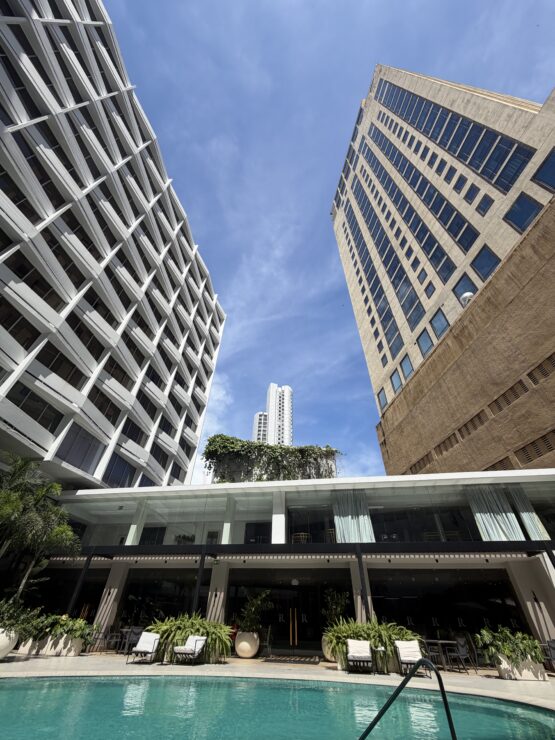
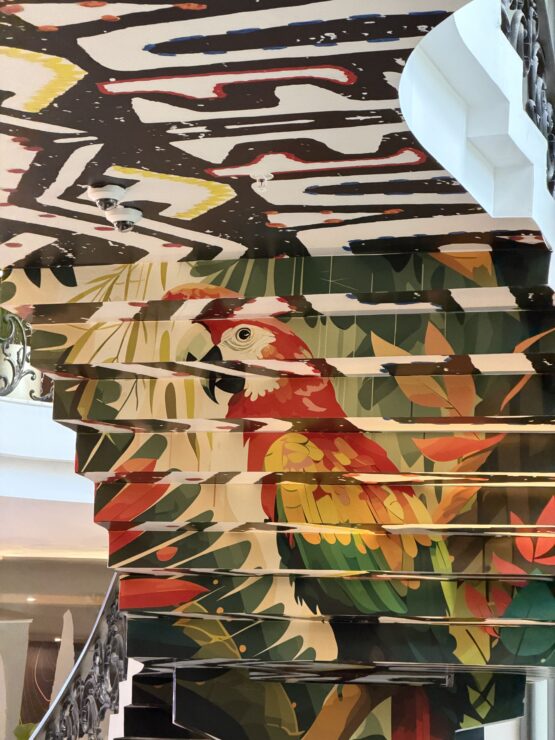
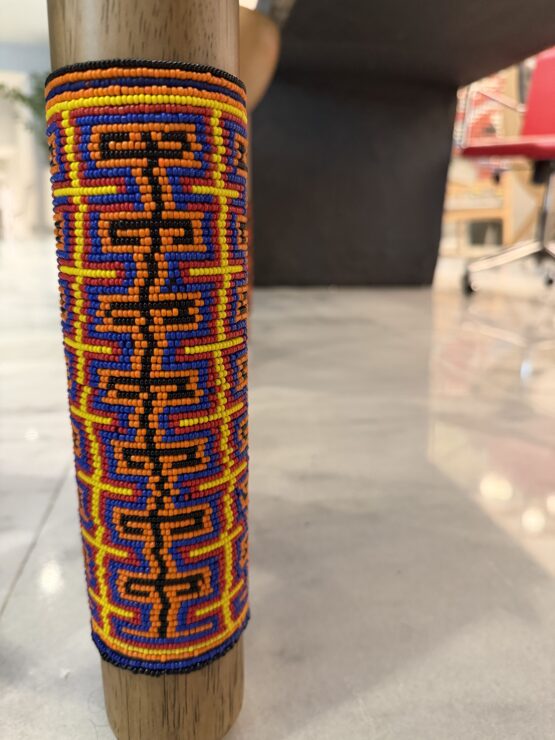
Seven official groups of indigenous communities call Panama home. Many of them have detailed works throughout the space if you know where to look. Peer down at the lobby lounging stools and see intricate beadwork from the Guna (Kuna) women. Step back from the wall installation and see the image of the iconic Diablico Sucio from festivals and tradition throughout the Azuero region of Panama. The bold staircase greeting visitors up front features local wildlife and artistic patterns from centuries ago.
©Eileen Cotter Wright
©Eileen Cotter Wright
©Eileen Cotter Wright
What I loved most was how the hotel sets centuries-old indigenous artistry right next to bold contemporary art. Just steps from the historic beadwork and Diablico imagery sit funky teddy bear sculptures, a nod to modern streetwear fashion that has been legendary in Panama for two decades. The juxtaposition is intentional: tradition and modernity side by side, with neither outshining the other. Many local Panamanians embrace this kind of mix. You can feel it across the city in the bright graffiti, international fashion, and creative energy that keep Panama at the forefront of contemporary trends.
A Dive into the Canal
These days, visitors can experience the Panama Canal in a few different ways. Sidling up to the sunny bleachers next to the waterway, I enjoyed watching a ship pass through the locks seemingly inch by inch. They avoid the super narrow clearing space on either side of the massive vessels. The teamwork on the ground, behind the captain’s wheel, and in the command center above to navigate such a tight space and steer millions of dollars of precious cargo was a marvel to witness up close. It only takes 8-10 hours to move a ship through Gatun Lake and across the oceans to the other side.
Our guide was a former police chief in the city. She mentioned how far things have progressed in tourism and everyday life. To this day, though, there are still squabbles and discussions about control of the waterways among countries all over the world.
Panamanian Pica Pica
After enjoying the soothing voice of Morgan Freeman during an on-site IMAX documentary about the canal, we were ready to tuck into something delicious. I had heard that Panamanian food is rich, hearty, and perfect for sharing.
At the end of the canal tour, we had asked our guide for some food recommendations nearby. But my Spanish is remedial on a good day, and I think something got lost in translation: 30 minutes later, she ushered us into El Trapiche to eat together. She mentioned her family at home, and we insisted she didn’t have to stay, but she was more than welcome to join us. With an enthusiastic nod, she grabbed us a table and explained that we could get some “pica,” or picky bits for the Brits, to share and chatter over.
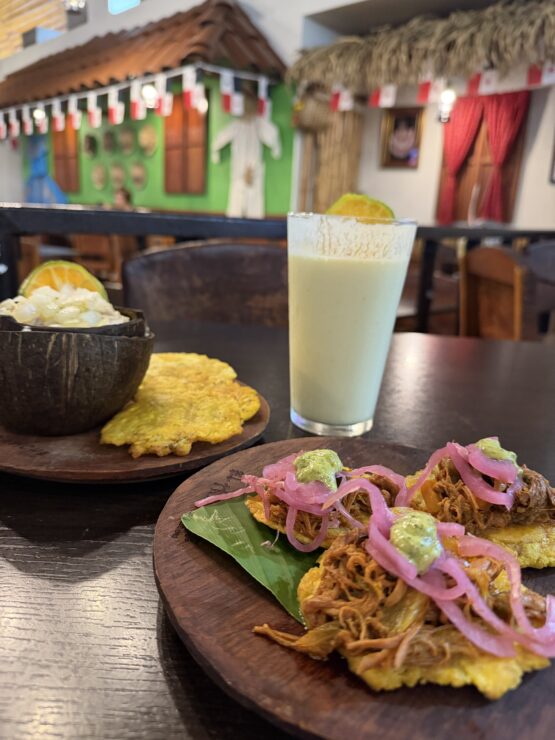
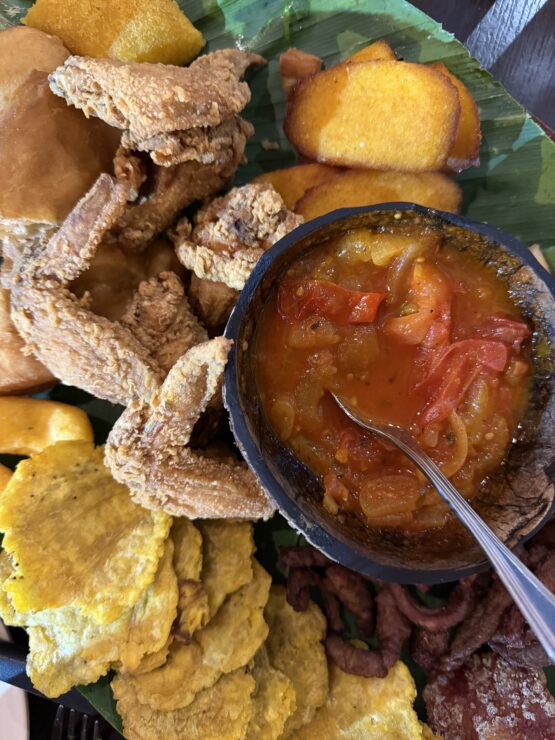
Lots of fried, savory items dominated the massive plate, including mini empanadas, smashed and fried plantain called patacón, and classic chicharrón (fried pieces of pork belly). To balance out the heavy flavors, there were big bowls of fresh fish ceviche and chips, washed down with a sweet fruit smoothie.
After telling jokes in Spanglish and using wild hand gestures to weave together our stories over a meal, I knew I had to find another round of traditional Panamanian food before departing. The first experience of fun and flavor is alluring.
Round Two of Pica Pica
Luckily, just five minutes from the Renaissance Panama City is Concolón Panamanian Street Food. Run and owned by two local women, the space sits right on the road, with a backdrop of faint Latin music and a cozy interior surrounded by color and green plants. They gave me a mug of beef broth before I ordered, much to my surprise. I thought it was tea.
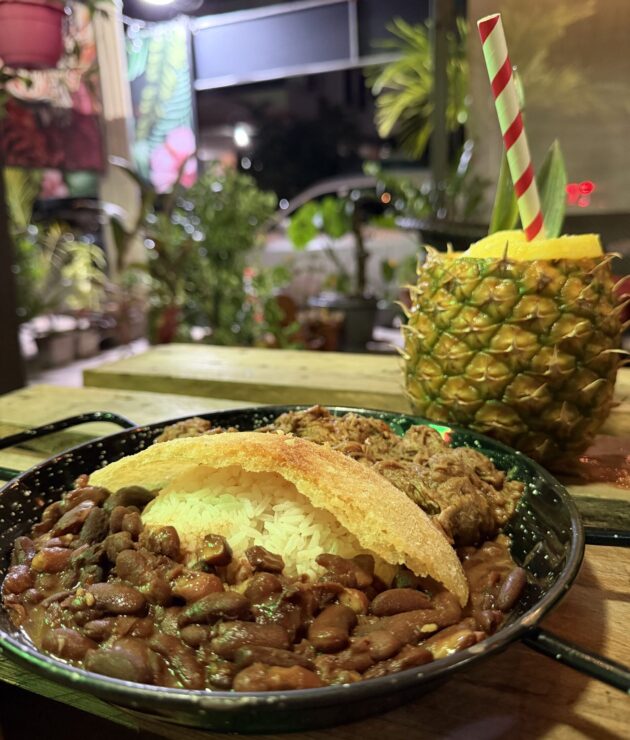
With a simple request to bring me their favorites, I had a feast of changa con queso (a pancake-shaped tamale stuffed generously with cheese) and the restaurant’s namesake dish: concolón with ropa vieja. The rice cooks until it forms a crispy layer, then it’s flipped and topped with slow-cooked beef. As an uninitiated traveler on a quick visit, I hope I did well trying a little of everything when it comes to traditional meals that are well-loved by Panamanians today.
Geisha Coffee in Casco Antiguo
I’d say I’m a casual coffee fan, not a purist. But when the afternoon begins with a full display of intricate brewing techniques, temperatures, and pours, I knew I’d be in for a treat at the Geisha Experience in the Old Town, also known as Casco Antiguo.
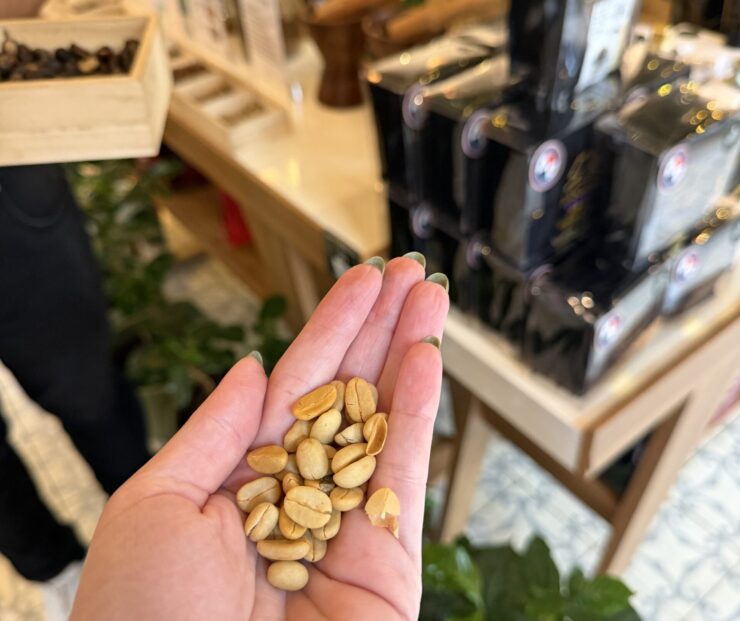
Geisha coffee is considered the most luxurious in the world. I’ve heard this claim in many places, but it’s clear why this variety is among the best. Originally, Don Pachi brought this coffee variety from Costa Rica in the 1960s, but its origins are traced back to Ethiopia. From seed to plant to harvest and brew, the journey coffee makes through the mountains of the Chiriquí province is intricately monitored and regulated so every cup brewed is the same. One-pound bags of beans often run about $50- $ 60 USD.
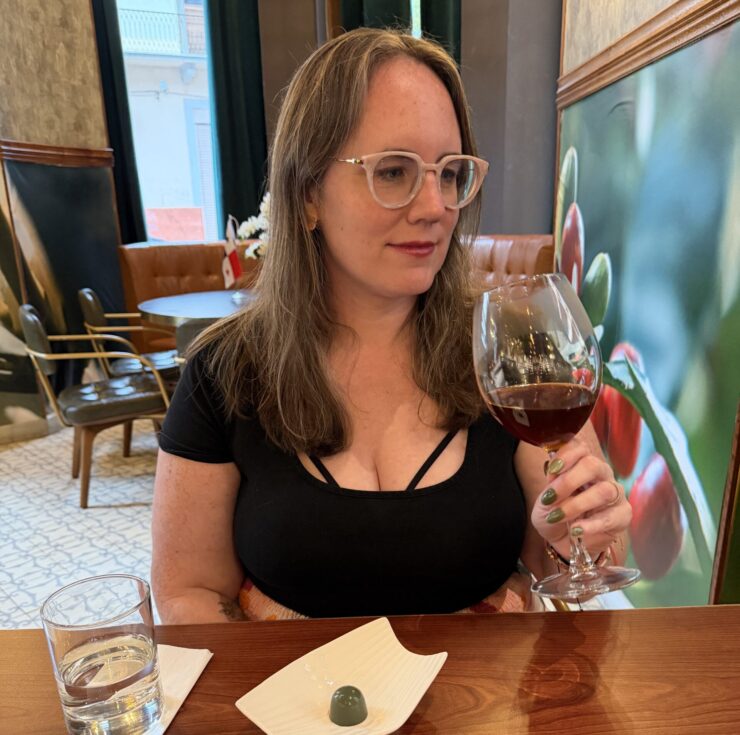
If you simply want to sample, sipping this exclusive drink in a long-stemmed wine glass, paired with rich local chocolate, is an incredible way to spend an afternoon.
As for the name, it actually comes from a mountain and forest in Ethiopia called Gesha. It was misspelled as “Geisha” over the years so often that it became a recognizable term, sparking genuine curiosity about why it was linked to coffee. So, the incorrect spelling stuck, and it’s been a challenge to restore the term to its original form.
The Sun Goes Down Over the City
While dining in daylight is a delight, I was ready for the sun to set so I could visit some of the city’s famous rooftop bars. New friends at the Geisha Experience made a few suggestions, right in the Old Town/Casco Antiguo.
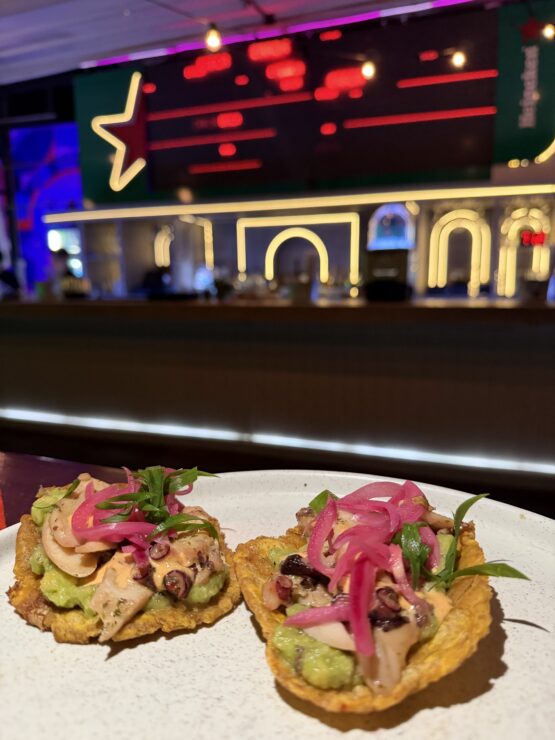
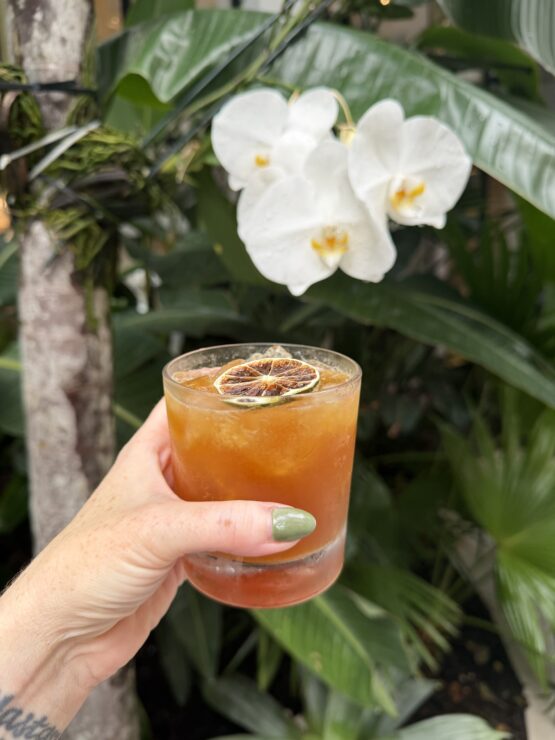
First stop was Tantalo, so I could enjoy the view of the skyline before the real night crowd took over. Cocktails feature passionfruit and lime to highlight tropical flavors. Next up nearby is Lazotea, with a slightly elevated atmosphere and the same stunning views of Panama Bay. Here is the place to choose a fun, floral cocktail or something smoky with mezcal. If you’re peckish, it’s worth indulging in a small plate of lamb arepas or jicama tacos.
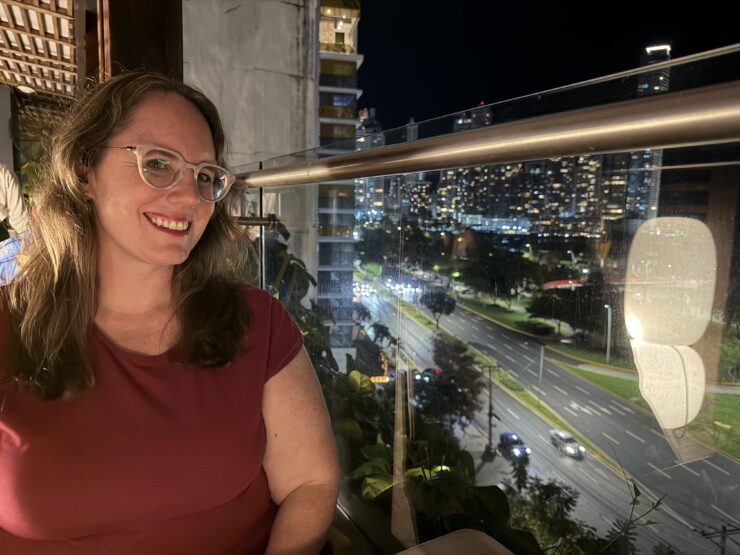
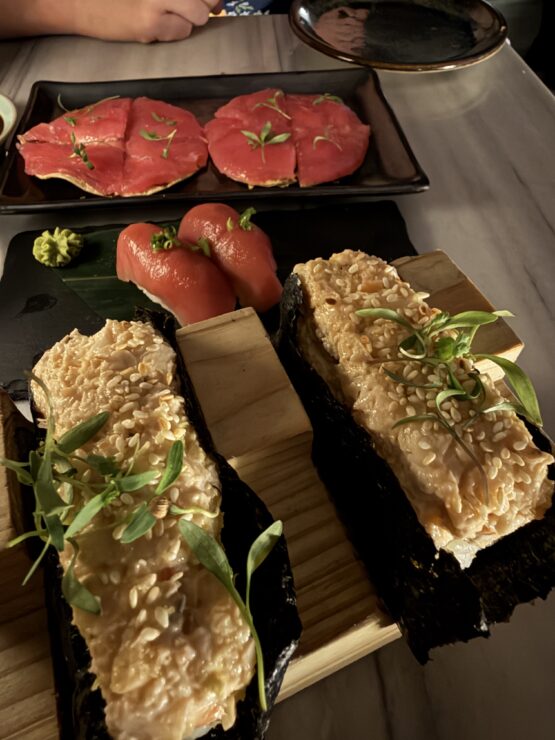
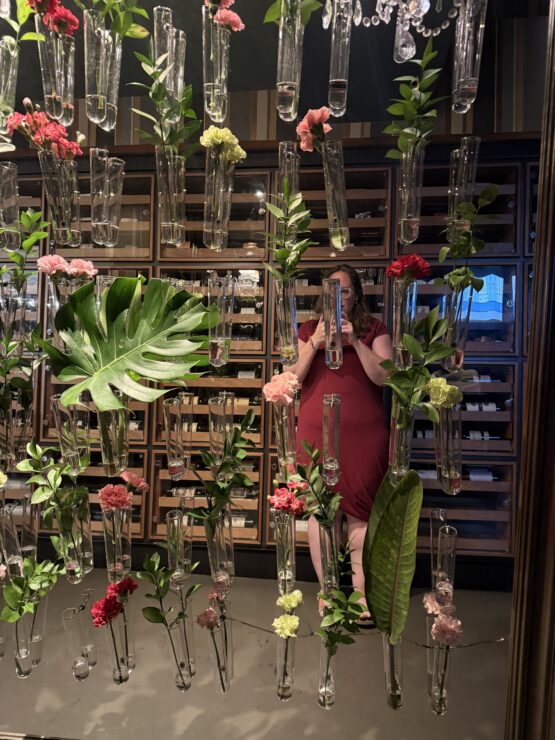
Back in the downtown area, among the skyscrapers, are plenty of options for gazing out over the water. A favorite chic spot is Azahar, which is technically a speakeasy disguised as a flower shop. But once you solve the mystery of how to enter, the reward is an array of modern dishes and drinks, including tender sushi plates and an extensive menu of European and Asian fusion dishes. Salads smothered in a rainbow of fruit and even more ceviche featuring lobster and sea bass closed out the evening.
©Eileen Cotter Wright
At the intersection of art and food, wrapped up in rich history and legend, Panama City is well worth a second look beyond a stopover.
You May Also Enjoy Reading:
- Masters of Craft: A Sweet and Savory Showdown in Mexico City
- Peru on a Plate: Exploring South America’s Culinary Capital
Read more from Eileen at Pure Wander.
