
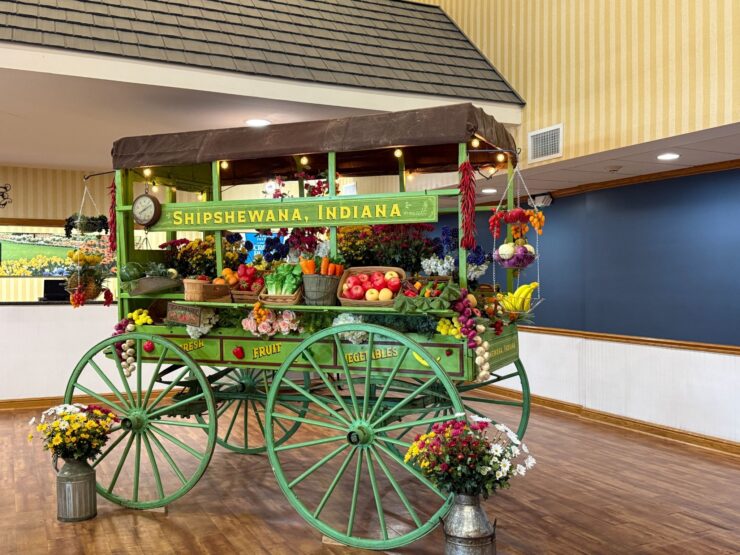
In Shipshewana, Indiana, the first thing you notice is the stillness. No rush or city noise, only the steady clip-clop of buggies along quiet roads. Laundry flutters outside tidy farmhouses behind neat gardens. Hand-painted signs direct visitors to pies, quilts, furniture, and jams.
As you spend time in Shipshewana, a compelling story emerges. This peaceful Amish and Mennonite town is situated in one of America’s most productive manufacturing regions: nearby counties make most of the nation’s RVs. For me, Shipshewana’s charm lies in its paradox. The town slows visitors, revealing a culture rooted in craftsmanship, entrepreneurship, faith, and community.
A Blend of Tradition and Progress
In this LaGrange County town, buggies share roads with cars. Children walk or bike to school. Farmers work near workshops where craftsmen, bakers, and buggy makers continue family traditions.
To many travelers, Shipshewana feels like a getaway. But if you look more closely, the town becomes even more interesting. Shipshewana is not isolated from the world; instead, it decides carefully how to connect.
The area has the third-largest Amish population in the U.S., roughly 30,000 people in over 200 church districts. Each district, usually 20 to 40 families, is small enough for rotating home-based worship.
The Ordnung and the RVs
The Amish follow the Ordnung, an unwritten code guiding choices about dress, transportation, technology, education, and work. Formal schooling ends after eighth grade. Electricity from the grid is avoided, but solar and gas power are common.
Beyond these quiet lanes, northern Indiana also produces about 80 percent of U.S. RVs. Many Amish men work in factories in the morning, then return home to farm, spend time with family, or manage side businesses.
This mix of factory jobs and home businesses gives people steady pay and the freedom to work for themselves. In Shipshewana, living simply shows discipline, efficiency, and a practical approach to work.
Understanding the Story at Menno-Hof
I wanted to see beyond the peaceful setting and learn about the local culture. For anyone visiting for the first time, Menno-Hof is the best place to start.
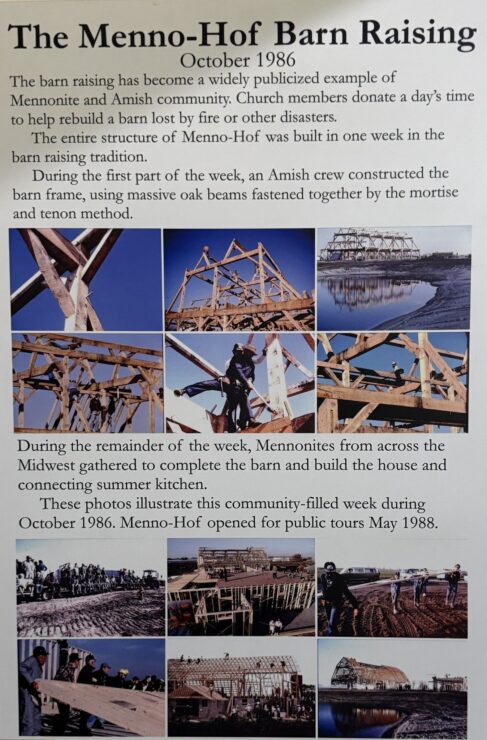
Menno-Hof is an interpretive center about Anabaptist history and beliefs. Built by locals in a barn-raising style, it’s a nonprofit that offers information about faith and life. Exhibits trace the story back to 16th-century Europe, during the Reformation, when Anabaptists rejected infant baptism in favor of adult baptism by choice.
This belief was radical for its time. Anabaptists—including Amish, Mennonites, and Hutterites—faced persecution from Catholic and Protestant authorities. Many were imprisoned, tortured, or executed. Menno-Hof uses immersive exhibits to show the courage and sacrifices behind these faiths.

Mennonites are named for Menno Simons, a Dutch Catholic priest who joined the Anabaptists in the 1530s and became a leading figure. The Amish split off later, in the late 17th century, after Jakob Ammann advocated for stricter discipline. Over time, many Anabaptists migrated to North America in search of religious freedom.
Menno-Hof doesn’t turn Amish and Mennonite life into a show. Instead, it helps visitors understand why these communities value humility, peace, helping each other, simple living, and staying apart from mainstream culture.
A Town Built on Work and Craft
After visiting Menno-Hof, I saw the local businesses and farms in a new light. The handmade items I bought were more than just souvenirs; they showed real usefulness, patience, and skill.
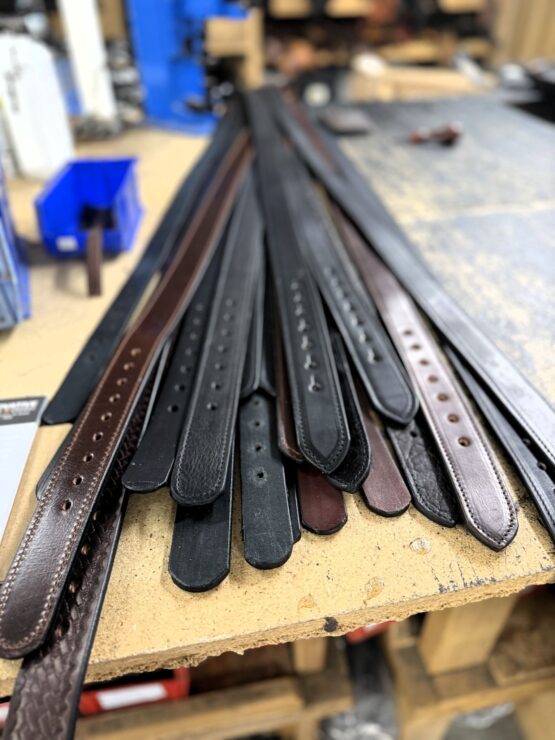
In town and in the country, I found wooden baskets made from walnut and other exotic wood, along with leather belts crafted from top-grain cowhide and unusual skins. I even learned to make a soft pretzel.
What stands out is the personal touch. While many things today are made to be thrown away, Shipshewana values items that are made carefully and built to last.
This doesn’t mean people here avoid commerce. In fact, starting and running businesses is a big part of daily life. Many businesses start small, grow through word of mouth, and succeed because of quality and hard work.
The Pretzel That Went National
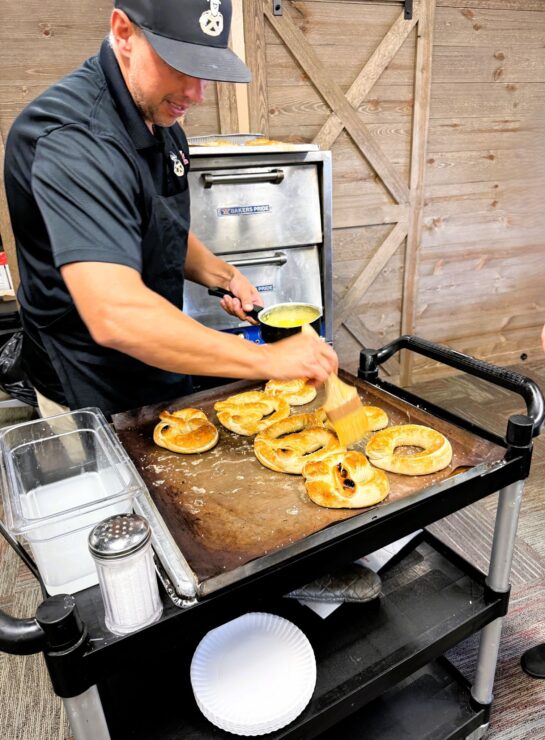
Ben’s Soft Pretzels’ founder Ben Miller grew up Amish and later left the church. He had neither business nor culinary experience. When he bought a flea market pretzel stand, he had never tasted a soft pretzel.
Then came the typical Shipshewana approach to business: being practical, trying new things, and working hard. Miller and his wife tried different recipes, changed the dough, improved their process, and listened to customers. Soon, more and more people lined up.
Now, Ben’s Soft Pretzels has over 200 locations in 28 states, including university stands at Notre Dame and Michigan. Despite national growth, the company’s mission still reflects Shipshewana’s values. Their “Live Generous” philosophy supports meal programs for children in Malawi. Ben’s wife also operates a delightful coffee shop, donating all profits to these programs.
Leather and Wooden Treasures
The craftsmen and women in Shipshewana depend on both their skills and their business sense. Each one has a unique story and offers quality products.
Silver Star Leather
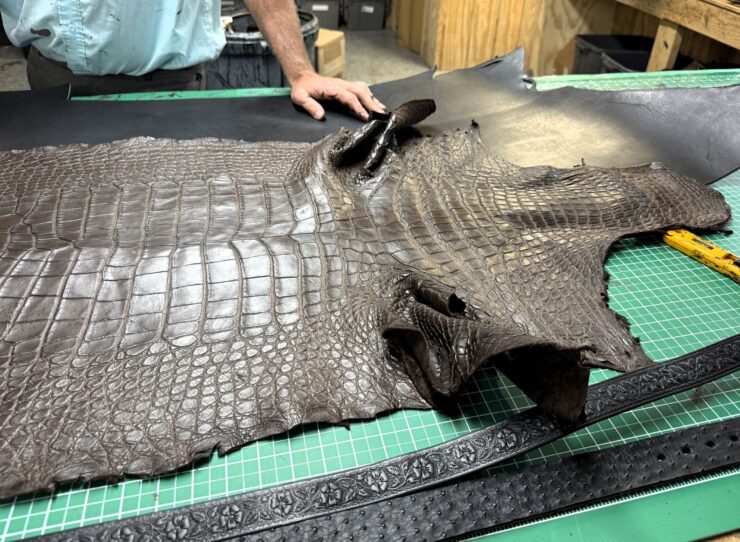
At the solar-powered SilverStar Leather workshop, you see smooth hides: cowhide, pigskin, exotic materials like alligator, shark, and hippopotamus. The leather smell speaks to the artistry behind belts, bags, and exotic-skin accessories. You see cobra-head belt buckles and the tools of the trade to make such items.
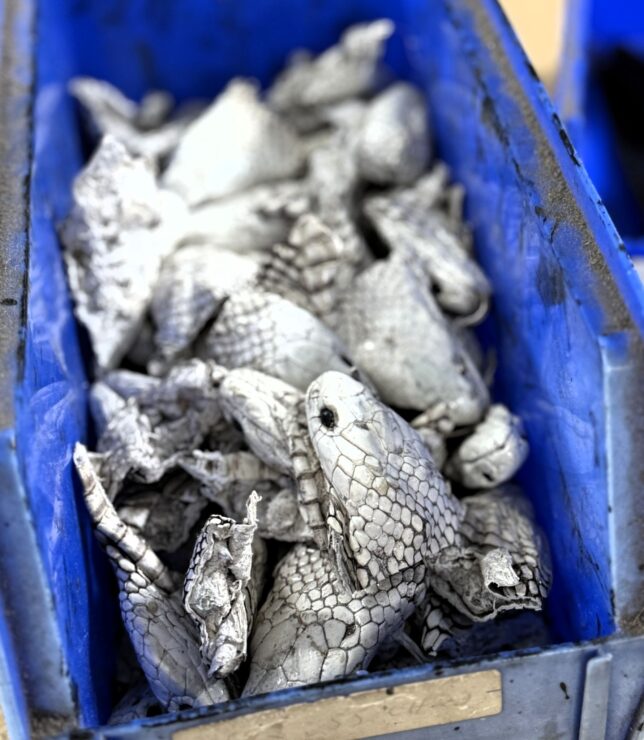
Loren and his wife, Dorcas, run the shop. He started with a horse harness business, working days in the RV industry before turning to his shop in the evenings. When Dorcas made a purse, the focus shifted from harnesses to leatherwork, and Loren left the RV job for full-time craftsmanship.
I watched Loren make a belt in under five minutes. He showed how he sources hides, embosses leather, attaches buckles, and uses scraps; nothing goes to waste. It’s a hands-on display of local skill.
Teaberry Woodworking
Laverne and his wife, Rachel, run this business together. Their Mennonite family makes wooden baskets, puzzles, nativity sets, and other handmade items. The Teaberry Woodworking shop started when Rachel suggested using leftover wood from Laverne’s sawmill. They began with small projects at local art fairs and have now built a full-time shop that includes work from their son, Isaiah.

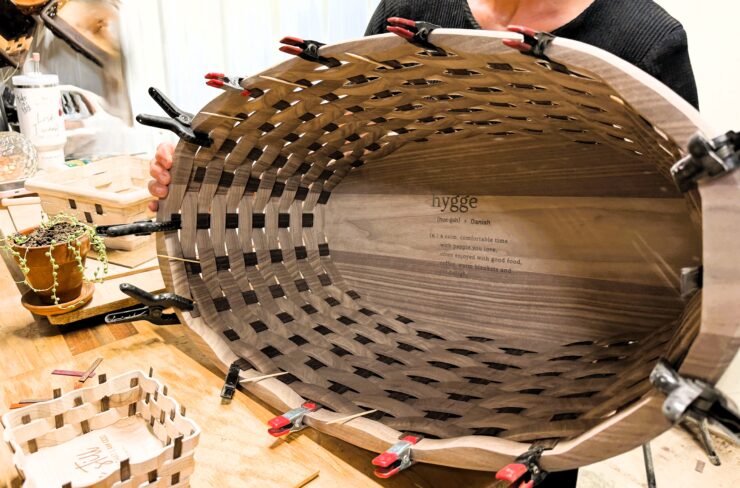
The best part of meeting them was seeing how they put together a wooden basket. These baskets are special because they aren’t made from bent wood. Instead, flat pieces are cut, glued, and assembled to look woven. Isaiah starts by making designs using a 3D printer. From a flat position, the designs are hand-cut using a scroll saw and sanded. Rachel finishes the assembly, weaving in the small wood pieces. It’s amazing to watch.
Teaberry Woodworking makes thousands every year, and each basket has its own verse on the inside. Rachel checks each one. She signs, numbers, and dates every basket. The square basket I purchased was made on April 15 and is number 17,229. The verse inside my basket is “hygge:” a calm, comfortable time with people you love, often enjoyed with good food, coffee, warm blankets, and candlelight.
Go Slow
When visitors leave Shipshewana, the town’s pace often stays with them.
What makes this place so uncommon isn’t just holding onto the past. It’s the careful balance the community keeps between tradition and today’s world.
In a fast-paced, always-connected world, Shipshewana offers something different: the idea that progress isn’t always about speed. Sometimes, it’s about slowing down.
If You Go
When traveling to Shipshewana, South Bend International Airport is less than an hour away. You will pass by the Indiana Dinosaur Museum and South Bend Chocolate Company. I visited both. It was a wonderful way to start my visit to Northern Indiana.
Fort Wayne International Airport is an alternative, though it’s farther away.
You May Also Enjoy Reading
The Woman Behind the Walls of Meadow Brook Hall – Food, Wine & Travel
Pittock Mansion in Portland, Oregon
Read more from Lisa at All About Travel
