Minnesota has a rich history influenced by its early Swedish, Norwegian, and German immigrants. Its food scene has long reflected that heritage, with traditional dishes like lefse, a Norwegian flatbread; lutefisk, a gelatinous fish dish; and bratwurst and sauerkraut, staples on the dining table. But over the past several decades, Minnesota’s cuisine has diversified so much that Minneapolis quietly became one of the most exciting food cities in the US. Today, Minneapolis-area restaurants regularly earn James Beard Awards, receive national food media coverage, and enjoy top culinary credibility.
But the recent disruption caused by Operation Metro Surge—where agents from the US Immigration and Customs Enforcement agency (ICE) swept through the city, conducting mass arrests of immigrants and others caught in their often-violent operations—devastated the restaurant industry to the point that some businesses may never reopen.
Changing Landscape
The region’s food transformation started with immigration.
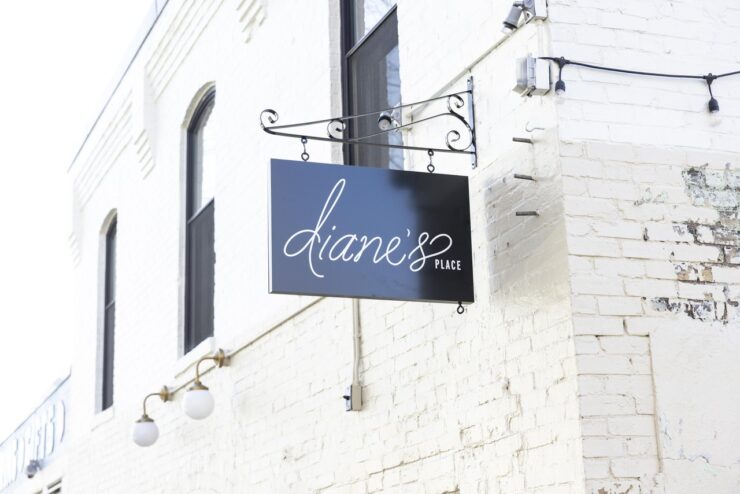
In the 1970s, Hmong, fleeing persecution following the Vietnam War, began migrating to Minneapolis-St. Paul metropolitan area. Today, it is home to the largest Hmong population in the US. Fresh herbs and leafy vegetables used in stir-fried dishes, along with spices like chili peppers and lemongrass, add vibrant flavors and spices to traditional Hmong dishes. Hmong cuisine evolved from food stalls into nationally recognized restaurants, including Vinai and Diane’s Place.
Stephanie March, a prominent Minnesota food writer, says, “We are at the forefront in Hmong cuisine because of the refugees that have migrated to Minnesota. It sets the standard for Hmong restaurants in the United States.” She points out that Hmong chefs Yia Vang and Diane Moua, both James Beard Award nominees for Best Chef: Midwest, are from Minneapolis.
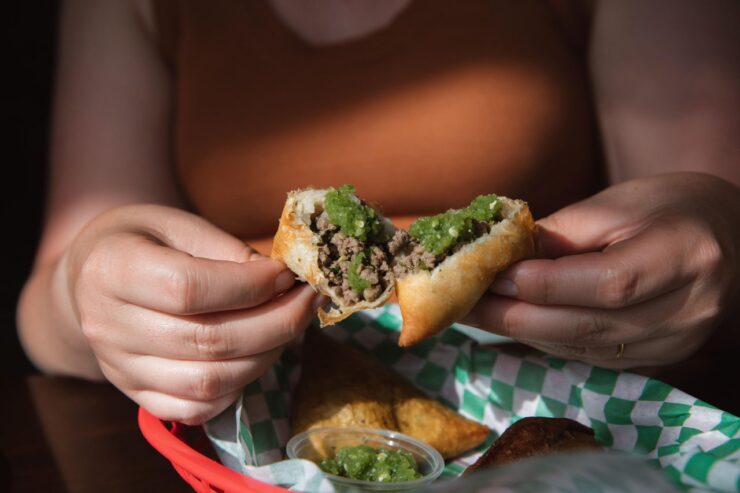
Minneapolis is also home to the largest Somali population in North America, bringing East African flavors to the region. Somali cuisine also features a rich blend of flavors, including spiced rice, goat and chicken stews served with flatbreads, and sambusas, similar to Indian samosas. And, interestingly, because Italy once colonized Somalia, Italian-influenced pasta dishes are now a staple of Somali cuisine.
Minneapolis is a melting pot of culinary traditions, including Mexican, Cuban, Argentinian, Korean, and Indigenous cuisine. In fact, Indigenous cuisine is a cornerstone in Minneapolis dining, not just a novelty. In particular, one restaurant, Owamni, is setting the standard for indigenous cuisine and was named Best New Restaurant in 2022 at the James Beard Awards.
No less an observer of food than Anthony Bourdain once referred to Minneapolis as a “vastly underrated food city with a fusion of local flair and global inspiration, including many excellent Vietnamese restaurants.”
Advocating for the Restaurant Industry
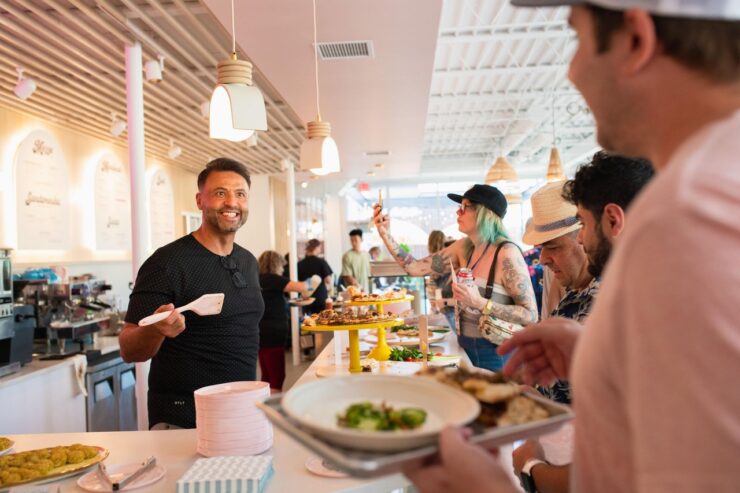
Stephanie March, editor at large for Mpls/St. Paul Magazine covers the Twin Cities’ culinary scene. She co-hosts the Weekly Dish radio show and has appeared on many local and national food shows. Abby Poeske is a community champion and local business advocate who serves as the Vice President of Destination Development and Public Affairs for Meet Minneapolis. They recently joined forces to promote the Salt Cure Restaurant Recovery Fund and help Minneapolis restaurants impacted by Operation Metro Surge.
A “salt cure” is a cooking technique in which a chef packs food in salt and preserves it.
“We chose the name because it’s an act of preservation,” Stephanie said. “Does it have a cheeky little nod to melting ‘ice’? I’m going to let you interpret that. But we want to preserve our restaurant culture, and we can’t do that if we lose half of our restaurants in one year.” For Stephanie and her team, it’s about preservation.
In February, Stephanie and Abby met with members of the International Food Wine and Travel Writers Association to educate us and advocate for the Minneapolis restaurant industry. This is what they had to say.
Immigrants and Restaurants
Stephanie explained, “I don’t think that people even understand how much the immigrant-led kitchens are the building blocks for our food scene.” Without immigrants, there are no restaurants. But Operation Metro Surge, the large-scale ICE operation aimed at mass deportation of undocumented immigrants that began in December 2025, specifically targeted Minneapolis’ immigrant population.
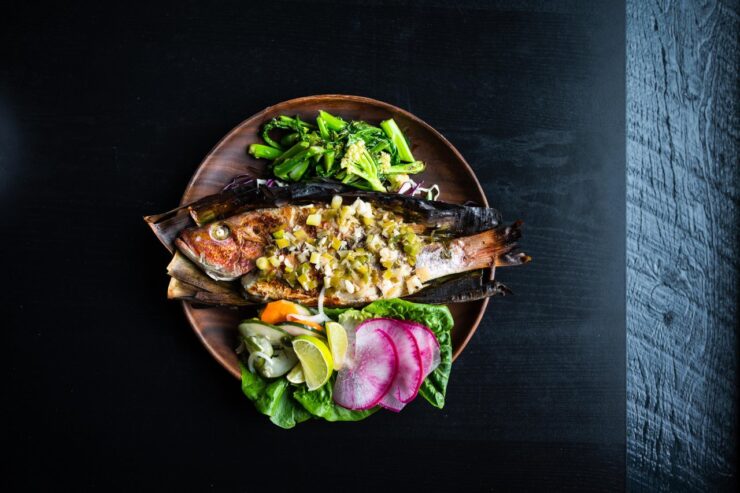
“The culinary scene in the Minneapolis metro region is made up of seven different communities, each with its own identity,” Abby said, “but there are many other places in the city for dining too. These seven areas are defined by their cultural ties.” She points out that visitors who dine out in the Minneapolis region are an important part of the local economy. In 2024, overnight and day visitors to the region spent over $2.5 billion.
Realities of Operation Metro Surge
“COVID hit our restaurant industry especially hard, but by 2025, we really felt like we were recovering,” Stephanie said. “But then, Operation Metro Surge overwhelmed us during the worst time of the year, in January, which is the restaurant industry’s slowest time. It impacted sales at the same time that restaurants were desperately trying to protect their workers.”
Restaurant owners found that kitchen workers were afraid to leave home, while their family members were being abducted. Also, workers were afraid to take public transportation, forcing restaurant owners to drive their employees to work.
At the same time, while restaurants were experiencing slower sales, they were paying overtime to employees covering for others who were afraid to come to work. Restaurants, bars, market stall operators, grocery stores, and convenience stores all saw losses in the millions of dollars.
“Operation Metro Surge was traumatizing for the entire city,” Stephanie said. “With unmarked cars and masked agents everywhere, it’s hard to say ‘Hey, let’s go out to dinner.’”
The community itself engaged in efforts to support one another, such as grocery shopping for neighbors who were afraid to leave their homes. Because the focus was on community work, fewer people were going out to eat anyway.
The Numbers
Abby said that recent city surveys show that 43 percent of restaurants had to close temporarily or permanently due to Operation Metro Surge. And the average reduction of customer traffic was about 45 percent.
Among those restaurants that responded to the survey in Spanish, customer traffic was down by 89 percent. Over half of the restaurants said they’re having trouble hiring or maintaining employees. 90 percent of the partners who took the survey said their business was impacted within the first two weeks of Operation Metro Surge. 90 percent reported that fear and stress were impacting operations, and 75 percent reported employee absenteeism.
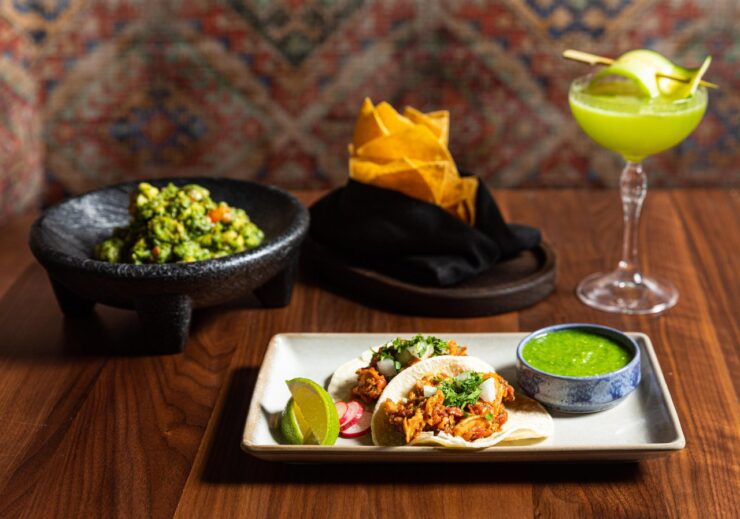
Photo by Masa and Agave
A Partnership and Solution
Stephanie was talking to restaurateurs in December 2025 when they began to see the impact of Operation Metro Surge. She said, “So we came up with this idea of how we could help restaurants. Could we help pay for gas? Could we create a shuttle service? We heard from people across social media asking how they could help.” That’s when she and her team realized their efforts wouldn’t be enough.
Abby said, “The role of a destination marketing organization (DMO) is usually marketing the destination. But when we realized that Minneapolis was at risk of losing such a big part of what people love about Minneapolis, we realized we needed to partner with Stephanie. This is not just for visitors but for residents too.”
“It’s not easy to start up a non-profit, so we connected with Minneapolis Foundation, a 110-year-old non-profit organization,” Stephanie said. The Foundation acts as the fiscal agent, disbursing funds as grants to help restaurants pay their lease, utility bills, or payroll so they can continue to operate. The team drives the funding.
Abby started reaching out to other DMOs across the country to see if any of their restaurants would be willing to contribute to the fund. They pulled together a small team of local public relations and communications organizations and created a video featuring restaurant owners describing their plight to raise awareness of Operation Metro Surge’s impact.
The Fund Launch
The Salt Cure Recovery Fund launched publicly on January 30, 2026, earning over $500,000 in two weeks of fundraising. On February 16, 2026, they launched the application process to allow restaurants to apply for grants. In the first two days, 82 restaurants applied.
On February 18, 2026, they held a National Day of Giving, asking people to dine with local restaurants or donate to the fund. Toast, the online restaurant food order platform, pledged to match up to $100,000 during the day’s event. The group received checks ranging from $25 to a $50,000 donation from a family foundation.”
The team is working to increase the fund’s balance and hopes to secure sponsorship from larger corporations.
Next, the team launched a newsletter on Substack where they share stories of recipients, which Stephanie calls an act of preservation. She said, “If I could raise ten million dollars, that’s maybe close to the amount of money it would take to restore the restaurants that have been impacted. We’re focused first on the small immigrant-run restaurants.” But she expects the fund to remain in place until it helps stabilize the businesses.
We Are All Minnesotans Now
In his article, The Minnesota Model that appeared in the February 26, 2026, Bulwark newsletter, William Kristol wrote, “And who hasn’t admired the example of civic courage, citizen responsibility Minnesotans have provided for the rest of us.”
Stephanie said what they have created in the Salt Cure Recovery Fund could serve as a toolkit for other cities, as ICE moves into other municipal locations. She realized that, because this was such a unique effort, her team needed to document and create a blueprint for other cities.
“We want to create a national restaurant coalition, so if this happens to other cities, we could then hold fundraisers to repay the fund to help others,” she said.
When they came up with the idea of a National Day of Giving, they began reaching out to other organizations to raise awareness and funds. Restaurants in Los Angeles, Seattle, and New York held fundraising events and donated the proceeds to the fund. She said, “I can’t even describe how good that feels.”
Photo courtesy of Meet Minneapolis
How You Can Help
To donate to the Salt Cure Restaurant Recovery Fund, visit their website and watch the video.
You can also help by visiting and patronizing the area’s vibrant and recovering restaurant scene. For information on visiting the Twin Cities and its restaurants, visit the Meet Minneapolis website.