
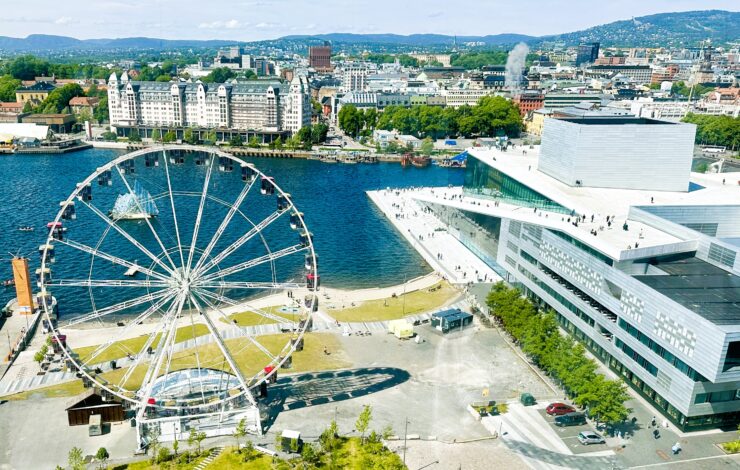
Oslo’s revitalized waterfront shines with modern architectural drama. The National Opera house beckons visitors to stroll across its sloping marble roof. Brooding masterpieces evoke contemplation inside the angular Munch Museum. Electric tour boats glide across the azure water of the Oslofjord.
Yet just steps from the harbor stands a quieter landmark, a century-old building with a tile roof that links Norway and North America.
Thousands of emigrants once began their transatlantic journeys here, departing from the headquarters of the Norwegian America Line. Clutching luggage and hope, families boarded steamships in the early 1900s that would reshape generations.
Maritime Heritage Meets Sleek Style
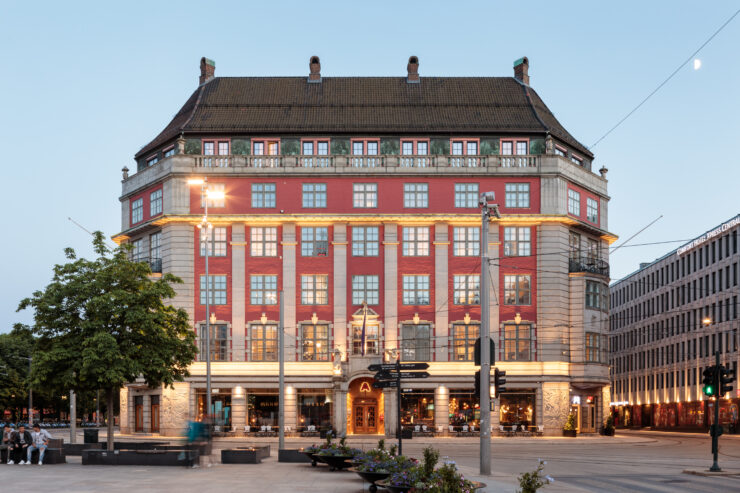
Today, the building houses one of Oslo’s most distinctive boutique hotels: Amerikalinjen. Its careful restoration blends maritime history with contemporary Scandinavian style. Awarded a Michelin Key in 2025, the hotel has evolved into a welcoming base for exploring Norway’s vibrant capital and, in my case, connecting with family roots.
I discovered the hotel on a recent trip to Oslo to meet distant cousins and learn more about the homeland of my great-grandmother, Sina Nielson Thompson. She crossed the Atlantic by sailing ship in 1869 in more harrowing conditions. Walking through the hotel, I felt closer to her story—and to those of others who followed.
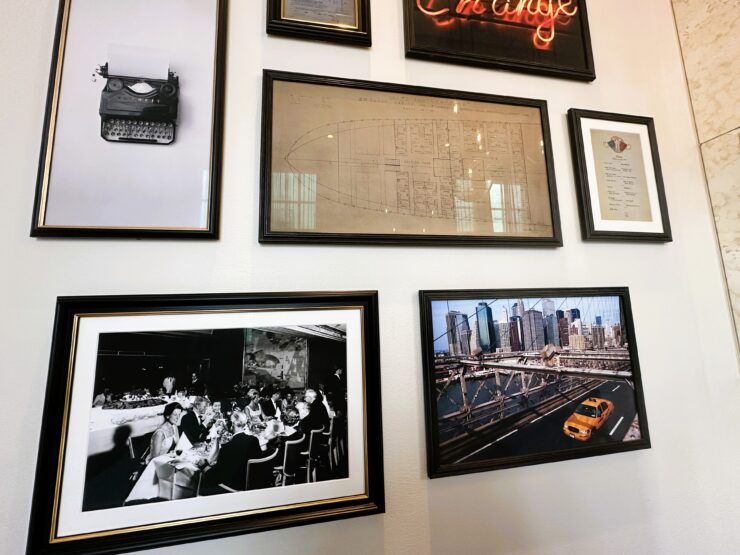
Traces of the past are on display throughout the hotel. Framed maps, vintage menus, and ticket stubs grace hallways and guestrooms. A New York-style jazz club named for company trailblazer and chief executive, Gustav Henriksen, brings new life to a loading area once stacked with steamer trunks.
Building Reflects National History
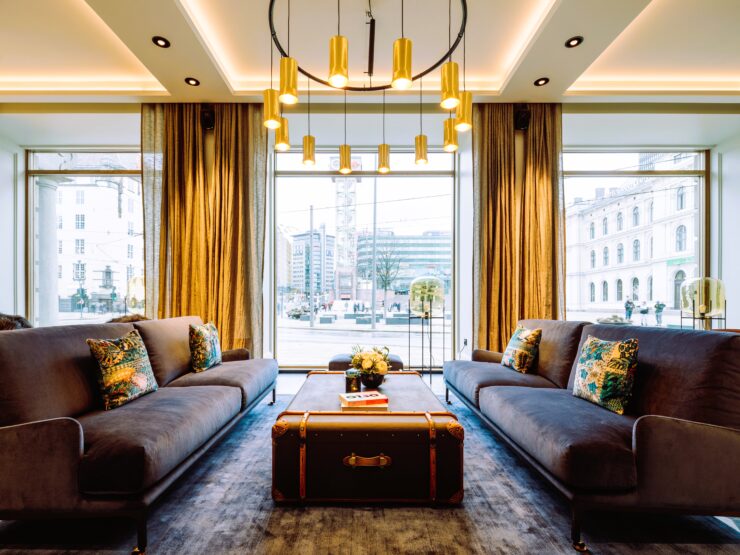
I was impressed from the moment I paused before the granite statues of sea gods Triton and Nereide that frame the hotel’s immense oak doors. General manager Ørjan Lundmark, a self-described historian, greeted me in the art-deco foyer for a tour that felt like a seminar on Norwegian identity.
“Our Viking forefathers explored the world,” Lundmark told me. “Now we are inviting visitors to explore Norway’s past and experience our country as it is today.”
The first official emigrants left Norway’s rocky farms and remote fishing villages in 1825, fleeing hardship for opportunity in North America. Their journey in small sailing ships took them across the North Sea to England, overland to Liverpool, and then onward across the Atlantic. A replica ship retraced that route in summer 2025 to commemorate the 200th anniversary of the first migration.
Steamships Spur Atlantic Crossings
The Norwegian America Line launched the company’s first transatlantic steamship, Kristianiafjord, in 1913, cutting the journey from as long as three months to two weeks. Direct steamship service accelerated migration to the U.S, carrying goods and more than half a million Norwegians across the Atlantic.
When the headquarters opened in 1919, passengers could walk from the train station to the building and the quay. The Neo-Baroque building quickly became “a symbol of national progress” and a vital lifeline connecting families across continents, Lundmark told me.
Drawn by the promise of affordable farmland, many Norwegians settled in the American Midwest. My great-grandmother was among them, traveling with her family to an uncle’s farm in Wisconsin. According to the U.S. Library of Congress, Norway lost a higher proportion of its people to the U.S. than any country except Ireland during that time.
A Stay Rooted in Story
Air travel eventually replaced ocean liners, and the company pivoted to cruises before it was sold. The building housed a variety of businesses until 2016. That’s when the Strawberry Hotel Group renovated it for about $54 million, with guidance from preservationists.
Now, Amerikalinjen feels grounded in history yet vibrantly alive. Modern explorers arrive eager to experience Oslo, now a progressive European cultural center shaped by Norway’s offshore oil and gas assets.
I loved perusing photos of ship captains in starched uniforms and guests in fur coats waving goodbye to departing loved ones. Period elevators and lighting cast a warm glow along corridors leading to 122 polished rooms and suites. Each room is accented with maritime memorabilia.
New York Inspirations
Lundmark takes special pride in showing off Gustav’s jazz club, once a subterranean loading depot, now pulsing with live music. Pier 42, the hotel bar named for the line’s New York quay, serves classic cocktails in 1920s-style glassware. The Little Bakery nods to the hotel’s transatlantic ties with bagels.
Modern comforts include a Finnish sauna and heated mosaic beds in the hotel’s well-equipped gym.
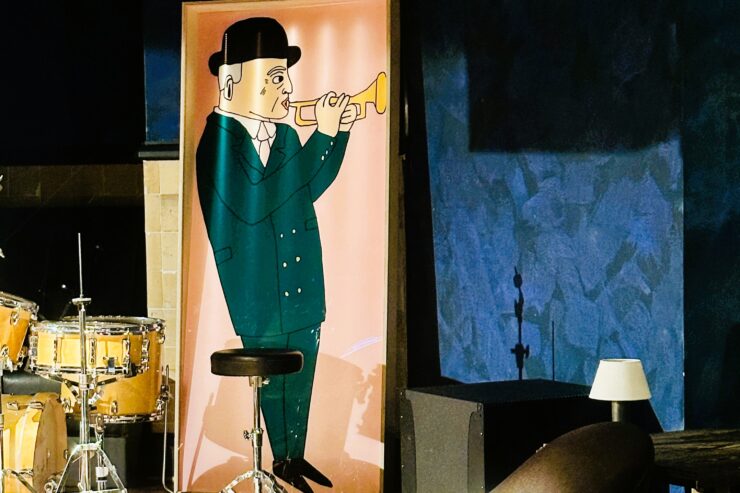
Exploring Oslo
Location is a key asset. Step outside the hotel, and much of Oslo is within walking distance or a short tram or ferry ride.
The city of about 730,000 offers visitors a rich blend of history, modern design, eco-friendly development, and easy access to nature. The Nobel Peace Prize is awarded there annually.
Oslo’s revamped waterfront helps draw more than 6 million overnight visitors each year to multiple fjord-side attractions. Nearby parks and mountain forests invite hikers and skiers. Plus, Norway’s rugged western coast and neighboring Scandinavian countries are all within easy reach.
Walk the Roof at the Opera
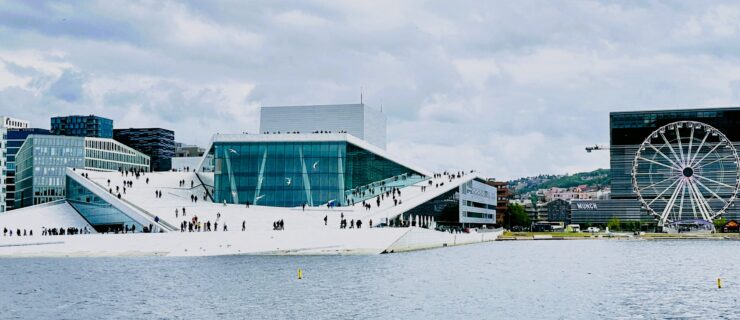
Our city tour began with a stroll up the marble roof of the National Opera and Ballet, which rises directly from the fjord. The panoramic views from the top made the climb irresistible to me and hundreds of others. Guided tours showcase its striking interior and acoustics.
Artist Edvard Munch — and Beyond
Spread across 13 floors, the Munch Museum displays several rotating versions of “The Scream,” along with lesser-known works that reveal the artist’s range. (I found some of his early paintings surprisingly joyful.) The rooftop terrace has a restaurant with fjord views.
Nearby, the National Museum, the largest in the Nordic countries, also displays Munch art along with everything from medieval treasures to Nordic design. For contemporary art, the Astrup Fearnley Museum’s modern facade is as original as the art inside.
Cruise the Fjord
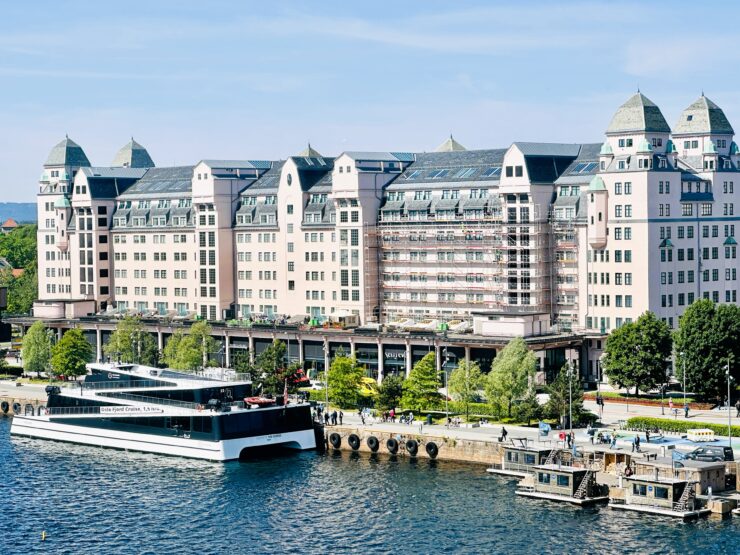
To understand Oslo’s geography, take to the water. Ferries and sightseeing boats glide around the fjord, delivering passengers to forested islands and summer cottages. My ride on the electric-powered Vision of the Fjords was serenely quiet, its large windows providing unobstructed views after it began to rain.
The promenade along the harbor is home to several public saunas. I watched as hardy souls jumped into the ice-cold fjord and then climbed onto a floating wooden hut for a steam bath.
Dive Into Norway’s Seafaring Past
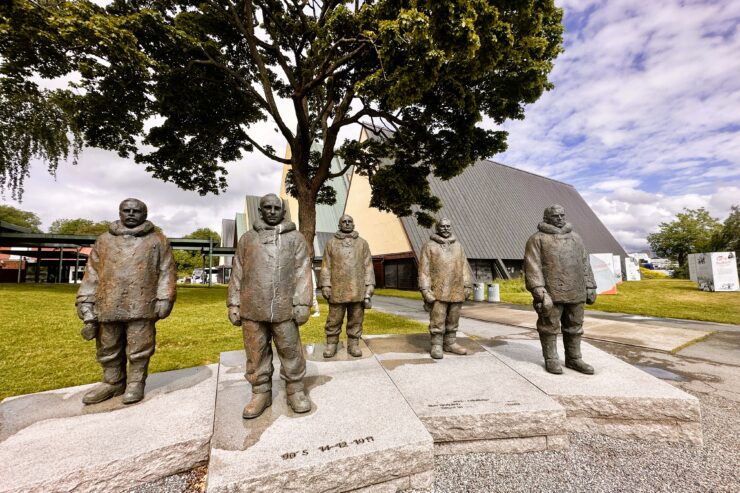
On the Bygdøy peninsula, museums celebrate Norway’s seafaring legacy. At the Fram Museum, we boarded an old polar exploration ship and experienced a simulated Arctic storm.
The Kon-Tiki Museum recounts mid-century explorer Thor Heyerdahl’s daring Pacific expedition, while the Norwegian Maritime Museum traces centuries of nautical history. (The Viking Ship Museum is closed for renovations until 2027.)
Remembering World War II
Norway’s Resistance Museum documents life under Nazi occupation during World War II. We paired our visit with a stroll around Akershus Fortress, a massive fortress dating to 1300. Its grassy grounds make an ideal place for a picnic on a sunny day.
A Personal Connection
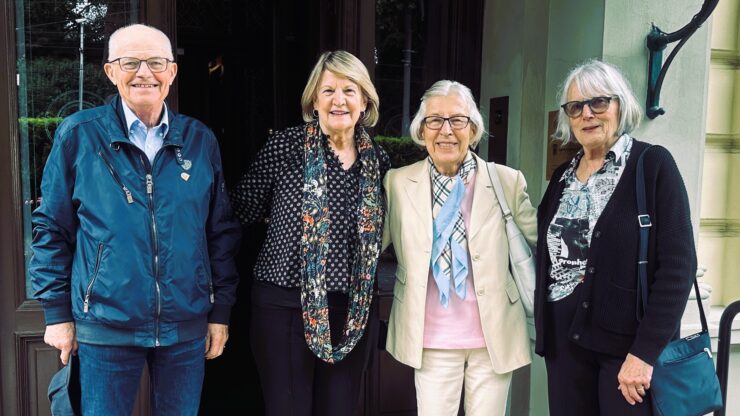
As much as I enjoyed the Amerikalinjen and Oslo’s many attractions, the city deeply resonated with me for the way it connected me to my Norwegian family. My newfound cousins took me to the oldest church in Oslo, where my great-grandmother was baptized.
Over fish burgers in a neighborhood food court, we talked about our great-grandmother’s heartbreaking decision to leave an infant son in Norway and return to Wisconsin, where she married and eventually raised six other children, including my grandfather.
And there we marveled at how two families on opposite sides of the Atlantic used modern DNA research tools to unite a family separated by a secret for more than 150 years. And how, in Oslo, we came together.
If You Go
Make It Easy: Oslo Pass
Oslo is among the world’s most expensive cities. The Oslo Pass can help offset costs, covering public transport (which is excellent) and admission to many attractions.
What to Eat

The city’s culinary scene highlights pristine seafood from Norway’s cold waters. Salmon, cod, and shellfish feature prominently on menus citywide. Whether enjoyed at a harbor-front restaurant or at a family table—as I experienced with my cousins—the flavors are consistently fresh and unfussy, reflecting Norway’s respect for natural ingredients.
Other Notable Places to Stay
Travelers drawn to historic architecture might consider Sommerro, formerly the city’s electric utility headquarters. Now a 231-room art-deco showpiece, the hotel has a lively social scene.
For waterfront views and contemporary design, The Thief is the place. Located in Tjuvholmen, a district once known for smugglers and shady dealings, the hotel has a top-notch spa and a dock for yachts.
You May Also Enjoy Reading:
A Road Trip Along Spain’s Sun-drenched Mediterranean Coast
Thun, Switzerland: Where to Slow Down in Shadow of the Bernese Alps
Read more from Barbara on her website, Barbara Redding.
