

I’ve been a proud Michigander my whole life. But it wasn’t until I left the U.S. over 12 years ago that I really began to explore the state. What changed? Maybe a little homesickness, but more than that, I discovered wine. Now, my annual visits to Michigan involve learning more about its wine scene.
On my most recent visit, my favorite cousin and I spent a day getting to know Michigan’s smallest AVA (American Viticultural Area): the absolute gem, Fennville AVA.
Fennville AVA
I’d heard of Fennville AVA, but I’d never visited. Not only is it one of Michigan’s five AVAs, established in 1981, but it was also Michigan’s first AVA, and the third in the whole U.S. Quite a start for this tiny corner of the Mitten State to live up to.
Fennville AVA sits in the upper western corner of the larger Lake Michigan Shore AVA (which is, confusingly, in the southern part of the state). If using a Michigander map, e.g., the palm of the right hand, it’s on the left about an inch and a half above the wrist. The entire zone covers 75,000 acres, but less than 500 of those acres—a mere .007 percent—are planted to grapes.
And such an interesting selection of grapes at that. Michigan’s perennial favorite Cabernet Franc has a firm foothold in the region’s sandy soils. But so too do grapes like Pinot Gris, Pinot Blanc, Riesling, Gewürztraminer, Dornfelder, Pinot Noir, and Blaufränkisch, as well as hybrids like Seyval. All of them benefit from the lake effect—proximity to Lake Michigan moderates temperatures, extending the growing season and allowing grapes to ripen more slowly while maintaining their acidity. It also helps protect against early fall frosts that could kill late-ripening varieties like Blaufränkisch.
As an American Viticultural Area, Fennville naturally puts wineries in the spotlight. But they’re not the only reason to visit the area. If wine isn’t your thing, there are several cideries, as well as scrummy baked goods, a local creamery, and even fine dining.
When you combine visits to all of them, you have the makings of a perfect day.
Fenn Valley Vineyards
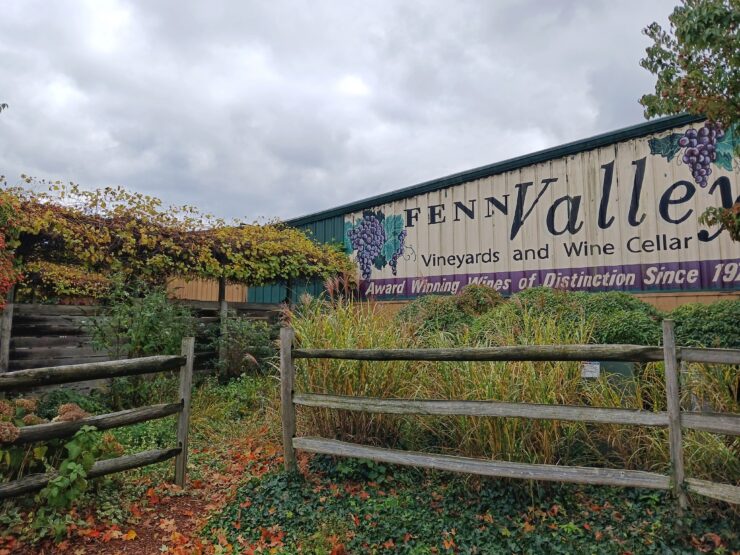
We headed first to Fenn Valley. Not only does it open earlier than others, but this beautiful estate with its profusion of flowering plants, rolling lawn, and extensive vineyards could not be a more beautiful start to the day.
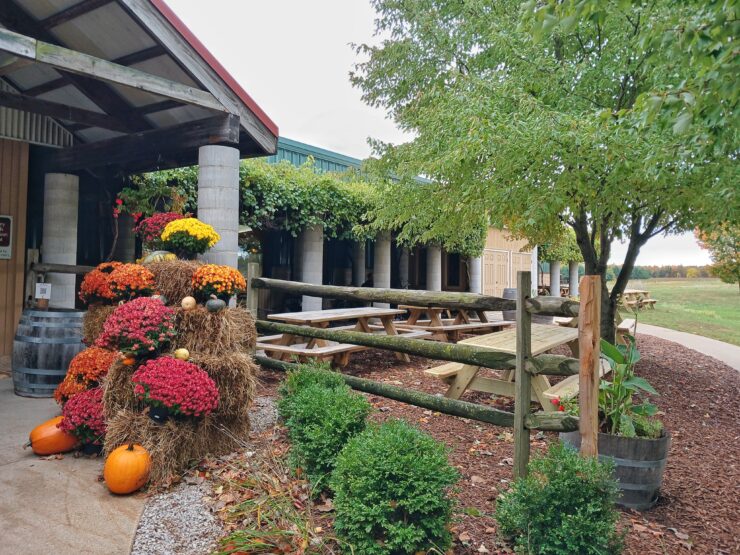
Family-owned and operated since 1973, Fenn Valley Vineyards sits on 240 acres in the heart of the Fennville AVA. The winery produces a wide range of still, sparkling, and sweet wines from grapes including Pinot Meunier, Cabernet Franc, Zweigelt, and hybrids Cayuga and Seyval.
With its extensive product list, including grape wines, fruit wines, and ciders, Fenn Valley has plenty to offer.
We left feeling a little sad that the weather wasn’t cooperating well enough to sit outside with a glass to enjoy the winery’s pastoral wonderland.
Modales Wines
A short drive brings you to one of Michigan’s premier wineries, Modales Wines. It was, in fact, this winery that attracted me to the Fennville AVA. I’d heard that Michigan was producing Grüner Veltliner, my favorite Austrian grape. When I learned Modales was one of the wineries working with it, I had to visit.
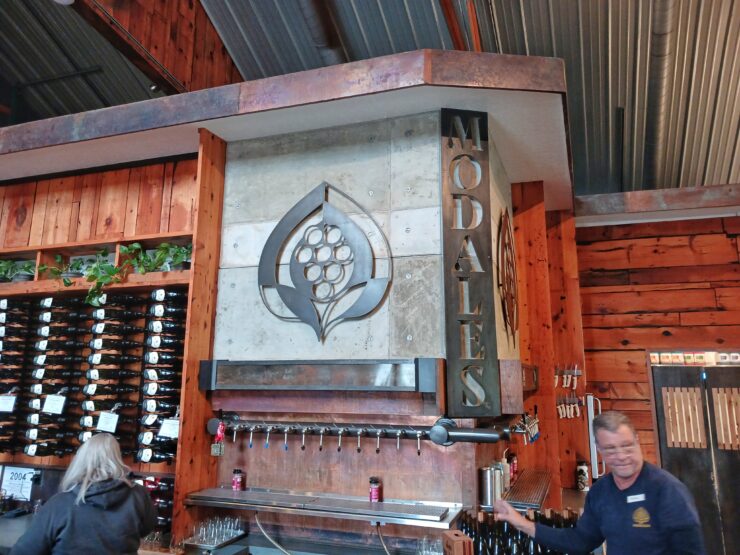
Jim and Carol Gonzalez founded Modales Wines in 2014. Together with winemaker Andrew Backlin and vineyard manager Ben Guerrin, Modales became one of Michigan’s only certified organic wineries in 2024. Modales offers still, sparkling, and sweet wines from an impressive array of grape varieties, including Grüner Veltliner, Riesling, and Gamay. And while they’re not producing wines with them yet, a portion of their estate vineyards has been set aside for experimental varieties like Rkatsiteli, Teroldego, and Lagrein.
Walking into the contemporary-meets-barn winery with high ceilings, combination wood and metal walls, and a sleek bar, we were transported to a much trendier side of Michigan than I expected.
Tasting at Modales
We’d booked a guided tasting and chose wines each from their list–of course, one of mine was the Lone Silo Grüner Veltliner. Despite the chill of fall outside, this wine sang the song of summer. Fresh ginger added a spicy note to the tangy lime zest and crunchy green apple and pea pod flavors. A touch of spritz braced the wine’s firm acidity, creating a truly electrifying wine.
We’d been paired with one of Modales’ long-time Tasting Room Ambassadors, George. Having him pour for us was one of the day’s highlights. He was knowledgeable, friendly, entertaining, and loved all our questions. He was just such a delight that we lingered longer than planned, especially after he poured us a taste of an earlier vintage of the Lone Silo Grüner Veltliner. If the younger year was summer in the glass, the aged version was fall with warmer ginger spice and nutty tones.
Yes, Virtue Cider is literally right next door, but we weren’t ready for it just yet.
Crane’s Pie Pantry
We thought a little alcohol break was in order and headed over to Crane’s Pie Pantry. You can get alcohol here if you’re not ready for a break (or you’re not the one driving), as Crane’s is both a cidery and a winery. But the real reason to visit is the food.
The Crane family has sold its produce locally since 1916. In 1967, Bob Crane and his wife Lue branched off from the larger family farm, creating a one-stop shop with restaurant and bakery, wine and hard cider, u-pick orchards, and more.
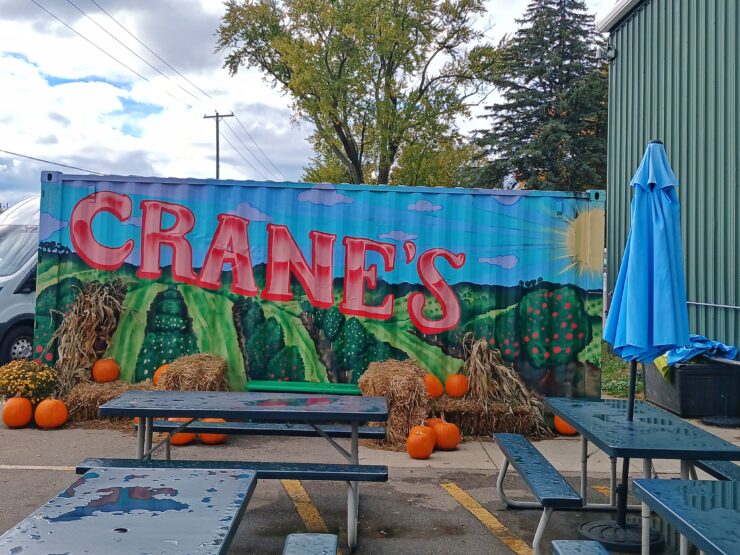
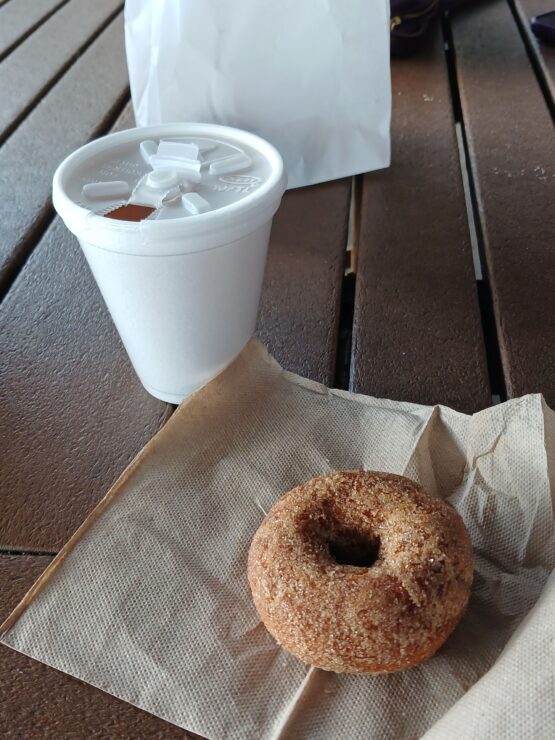
While aching to try several things on their menu, we were here for something specific and seasonal: cider doughnuts. Bundled up against the crisp Michigan autumn weather, we sat at one of Crane’s outdoor tables and let the sublime aroma of hot apple cider envelop our senses, providing extra warmth against the chill as we munched the cinnamon and sugar-crusted cider doughnuts. The very essence of a Michigan fall.
Evergreen Lane Farm and Creamery
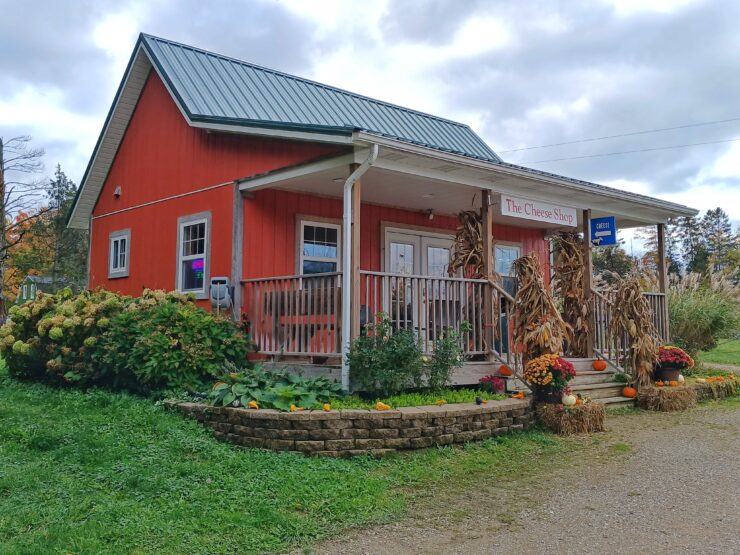
Evergreen Lane Farm and Creamery was born when a runaway goat burst into the owners’ house. Today, they make goat cheese seasonally and cow’s milk cheeses year-round, sourcing Jersey cows’ milk from MOO-nique Dairy in Vandalia, Michigan. I’m not sure if the best part of visiting Evergreen Lane Creamery is visiting the goats or tasting the cheese.
After greeting us warmly and discovering we’d never been to the shop before, the shopkeeper didn’t hesitate to pull out a tray laden with all the cheeses currently available. She explained them and encouraged us to taste as many as we liked. We dove greedily into the samples.
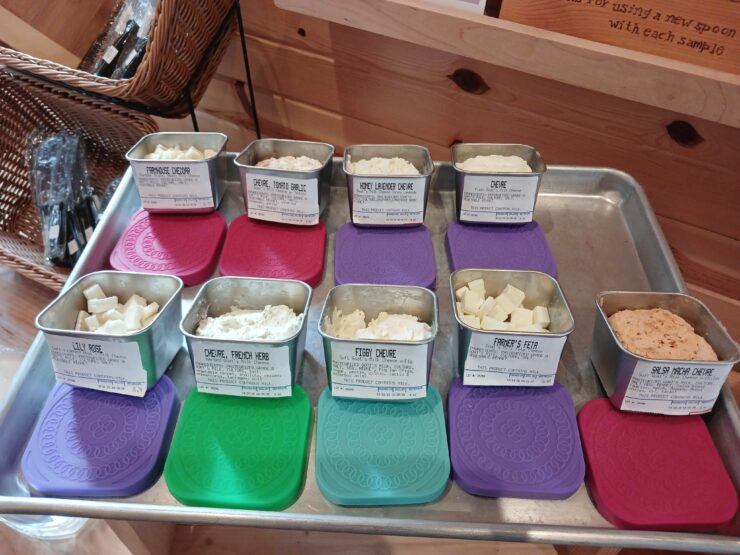
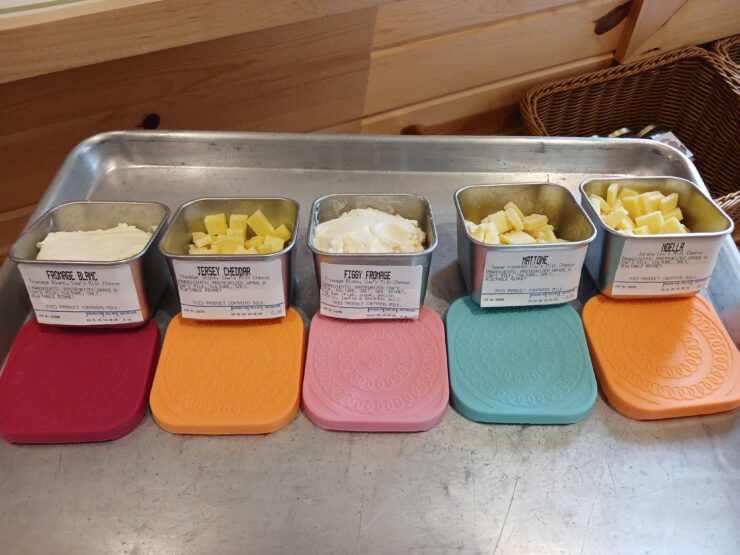
Everything was delicious, but I was particularly enamored of the goat cheeses. The Farmhouse Cheddar, sharp and crumbly, set a high bar, but the flavored Chevre cheeses went further and I left with several containers of the figgy, sundried tomato/garlic, and lavender/honey cheeses. And the t-shirt. It had goats on it.
Virtue Cider
Feeling ready for another round, we headed back in the direction of Modales, not to visit our new friend George, but to the winery’s neighbor, Virtue Cider.
Gregory Hall was no stranger to the art of fermentation before founding one of Michigan’s best-known cideries, Virtue Cider, having spent 20 years as a brewmaster. In 2011, he pivoted to cider and toured top cideries in England and France to study the craft.
Virtue Cider is an MEAEP-certified farm, a distinction awarded for its sustainability and environmental standards. It uses local heirloom fruit for its ciders. Make sure you have your phone handy to Google apple varieties. Having grown up around apples, I thought my knowledge of apple varieties was fairly broad, but Virtue Cider uses apples I’ve never heard of, like Dabinett, Winesap, and Spitz.
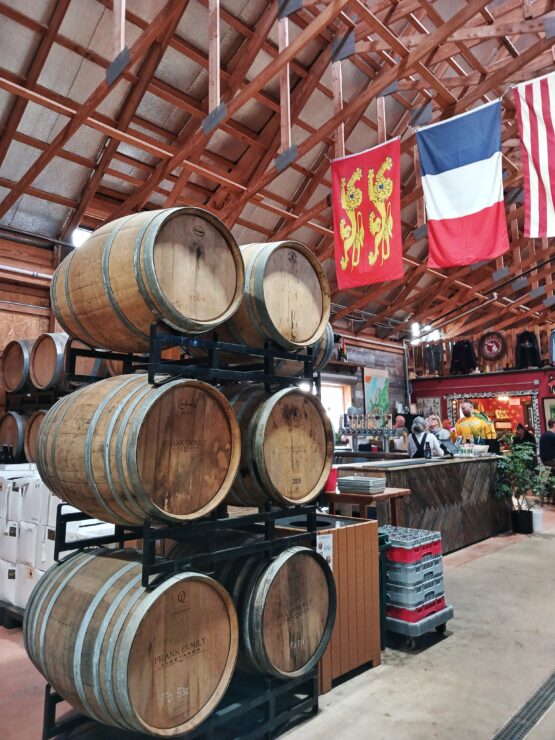
A tasting here is a real (and highly enjoyable) education in how distinctly different apple ciders can taste. They offer several themed flights, and we settled on the Farm Flight and the Single Varietal Flight to share. Flavors ranged from apple and tropical fruits to honey and vanilla, with even earthy and umami notes popping up.
My favorite by far was the Ice Cider made with Flok apples. It was Dutch apple pie with butterscotch sauce, and those caramel green apple suckers all rolled into one seductive sip.

Salt of the Earth
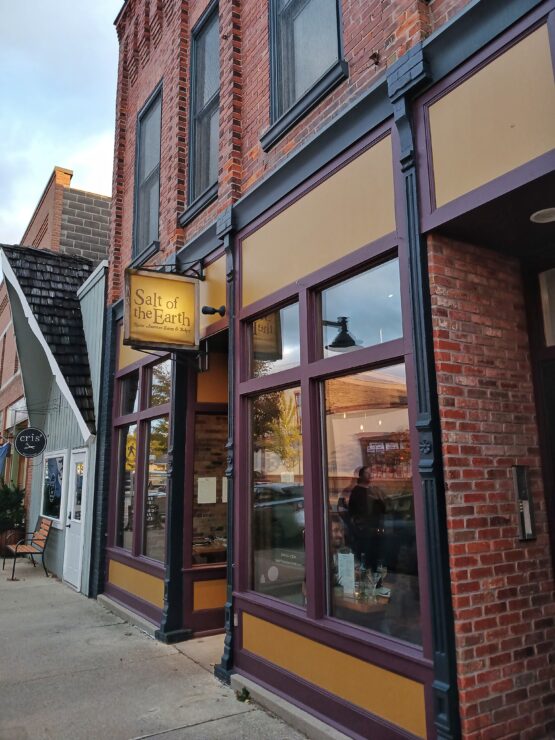
We resisted the food temptations at Crane’s and Virtue to save our appetites for dinner at one of Fennville’s premier restaurants, Salt of the Earth. The menu here changes frequently depending on what ingredients are in season, and the restaurant keeps things fresh and sustainable by sourcing locally.
The weather had grown steadily chillier throughout the day, and we slipped gratefully into the restaurant. While Salt of the Earth serves ‘rustic American’ food, the warm exposed brick walls and natural blond wood tables set with shining glassware created an atmosphere more akin to old Europe.
We Finally Get to Eat
Wine chosen, we got down to the business of food. I could not resist the pork belly starter, which was as crisp as it was melting, as only good pork belly can be. For our mains, we chose the pan-seared chicken and short rib pizza. Usually, I avoid chicken at a restaurant as being too simple. Yet the savoriness of the crackling skin over the juicy, well-seasoned meat proved why this is one of the restaurant’s signature dishes. The wood-fired pizza crust retained a chewy-crunch despite being loaded with cream sauce, charred onions, mushrooms, white cheddar, and tender, shredded short rib, and each mouthful tasted like the proverbial ‘perfect bite.’
After a day of tasting–and sharing a bottle of wine at dinner–we had to skip the dessert cocktails, but not dessert itself. The espresso chocolate mousse with hazelnut custard was unapologetically decadent, and we ate it with equally unapologetic gusto. While the lemon pistachio cake with its airy sponge cake and lemon curd appeared lighter, it had its own luxuriously rich quality.
By the time we stepped back out into the cold Michigan night, pleasantly satiated, it struck me how neatly the day echoed my own story. I had to leave the state to truly see it; to recognize that Michigan, like me, had been quietly growing into itself all along. Fennville may be the state’s smallest AVA, but what it offers feels expansive: thoughtful farming, ambitious winemaking, generous hospitality, and food firmly rooted in its surroundings. For a proud Michigander who thought she knew her state, it felt less like a visit and more like a welcome home.
If You Go
At around an hour south of Grand Rapids, Muskegon, and Holland, Fennville is an easy day trip. It sits almost equidistant between Chicago (a two-hour drive) and Detroit (a three-hour drive), making it more of an overnight adventure. Fennville itself offers several boutique hotels and B&Bs, as do nearby South Haven and Saugatuck-Douglas, both of which make great side trips.
Driving will get you to any and all points of interest in the Fennville AVA, but you can also take advantage of the Saugatuck Interurban bus, particularly if you plan to stay overnight in Saugatuck. This local bus system provides on-demand service to Fenn Valley, Modales, and Virtue Cider from Saugatuck, Douglas, Saugatuck Township, Laketown Township, and limited service in Downtown Fennville.
The four seasons bring different vibes and flavors of activities, but the prime visiting season runs from April through October. You might miss out on a vineyard tour in the late fall or winter, but you don’t get cider doughnuts in the summer.
Most wineries and cideries offer a variety of experiences, including guided tastings and tours. Aside from a few exceptions, they accept walk-ins, but it’s always a good idea to make a reservation to ensure you get the experience you want. Especially if you’re going on a weekend or during peak evening hours.
You can always check individual winery websites for activities, events, and opening hours. But for more information or while planning a multi-stop tour, you can find inspiration, news, and tips at Michigan Wine Country, Taste Michigan, and Lake Michigan Shore Wine.
You May Also Enjoy Reading
Traverse City: Michigan’s Award-Winning Wineries
Michigan Wine Country – A Guide to Exploring Its AVAs and Wine Trails
