
Modern Wine Bars began to appear in Istanbul in the early 2000s, as the next generation of Turkey’s boutique wine industry emerged. However, by some estimates, wine has been part of Turkish culture for over 7,000 years. I’d suggest exploring the wines when in-country, and wine bars might be the best place to start.
In the last 20-plus years, growers began to emphasize native grapes to celebrate and differentiate Turkish wines from common international varieties. City dwellers became more curious about domestic wines. Tourism and international travel brought exposure and interest in Turkey’s wine culture. Wine Bars offer easy access for locals and visitors without having to organize a wine tour and transportation to wine country.
Before You Drink: Anatolia’s Ancient Roots
The central European region stretching from Greece and eastern Turkey through Armenia and Georgia is widely considered the cradle of wine. Archaeologists have found evidence of grape fermentation dating back as far as 7,000-8,000 years. Proof of formal winery production at the Areni-1 wine cave in Armenia dates back over 4,000 years.
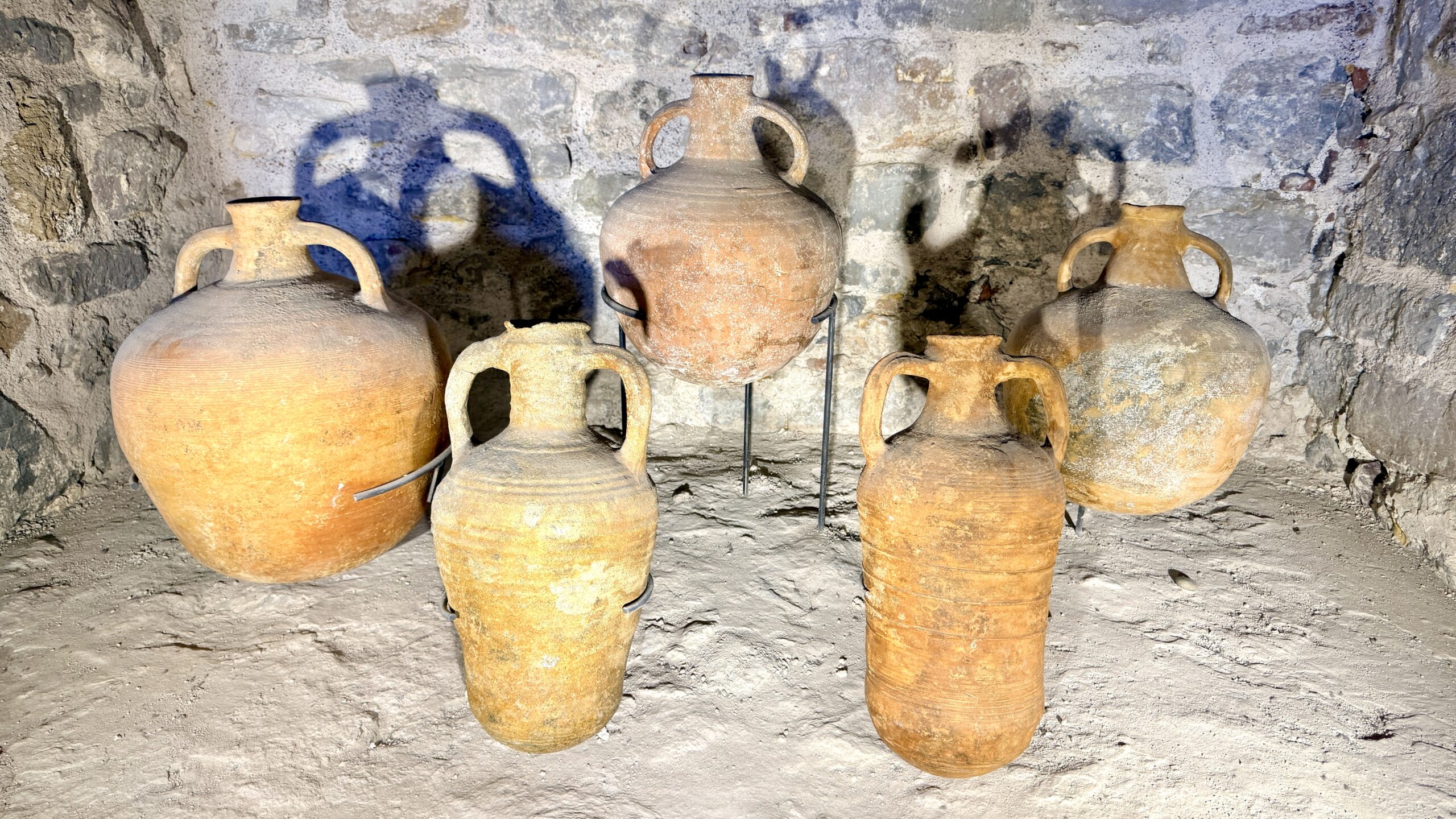
Clay jars, amphorae, grape residues, and fermentation vessels convince historians that people were turning grapes into wine long before the idea of wine bars with curated wine lists existed.
Clay tablets reference vineyards, wine production, and ritual drinking. Wine wasn’t just an agricultural product; it had religious, ceremonial, and political importance.
Anatolia, the Asian portion of modern Turkey, is a crossroads connecting continents. It sits on the “Silk Road” between Europe, the Middle East, and Central Asia. Imagine the cultural influences Istanbul has absorbed over millennia, as the international hub of Turkey.
Ancient Civilizations
The Hittites were in Anatolia around 1600 BCE, and they began to produce, tax, and trade wine, and wine writers wrote about it. I imagine writers’ compensation was similar to today’s–lots of wine, little coin.
Then the Greeks established cities like Ephesus and Izmir along the Aegean coast. Amphorae filled with Anatolian wine traveled across the region. Later, the Romans arrived, and Anatolia became a serious wine supplier because Roman roads moved Roman wine. As roads improved, trade expanded, and vineyards spread through western and Central Europe.
When the Roman Empire split, and the Byzantine Empire (Eastern Roman Empire) took hold in Constantinople (modern-day Istanbul), wine acquired an additional layer of meaning. Christianity relies on wine symbolically and sacramentally, so vineyards retained importance throughout the realm. Monasteries maintained vineyards and winemaking practices during periods of political instability.
The Ottoman Period
Everything changed when the Ottoman Empire consolidated control over Anatolia in the 14th and 15th centuries, as Islamic law prohibits the consumption of wine. However, Christian communities like the Greeks and Armenians were allowed to continue producing and drinking it. But wine was heavily taxed and not part of mainstream culture.
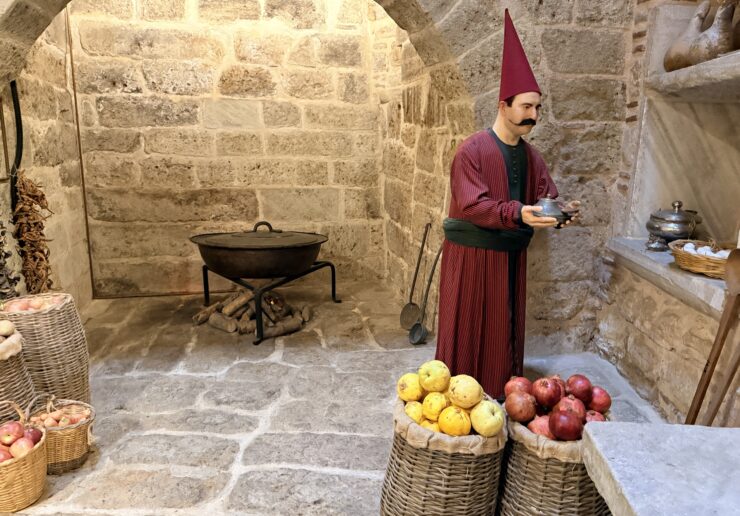
For the non-Muslim communities, wine was usually consumed at “Meyhanes” or taverns, the closest comparison to today’s tasting rooms or wine bars.
Related story: A Journey Through Wines of the Peloponnese
Ataturk’s Modern Republic
Modern Turkish wine begins with the founding of the Republic in 1923, under Mustafa Kemal Atatürk. Atatürk believed modernization included reviving industries that connected Turkey with its agricultural heritage. The state supported vineyard plantings and modern production methods. Pioneering wineries appeared in several regions, experimenting with both indigenous and international grape varieties.
Indigenous Grapes Reappear
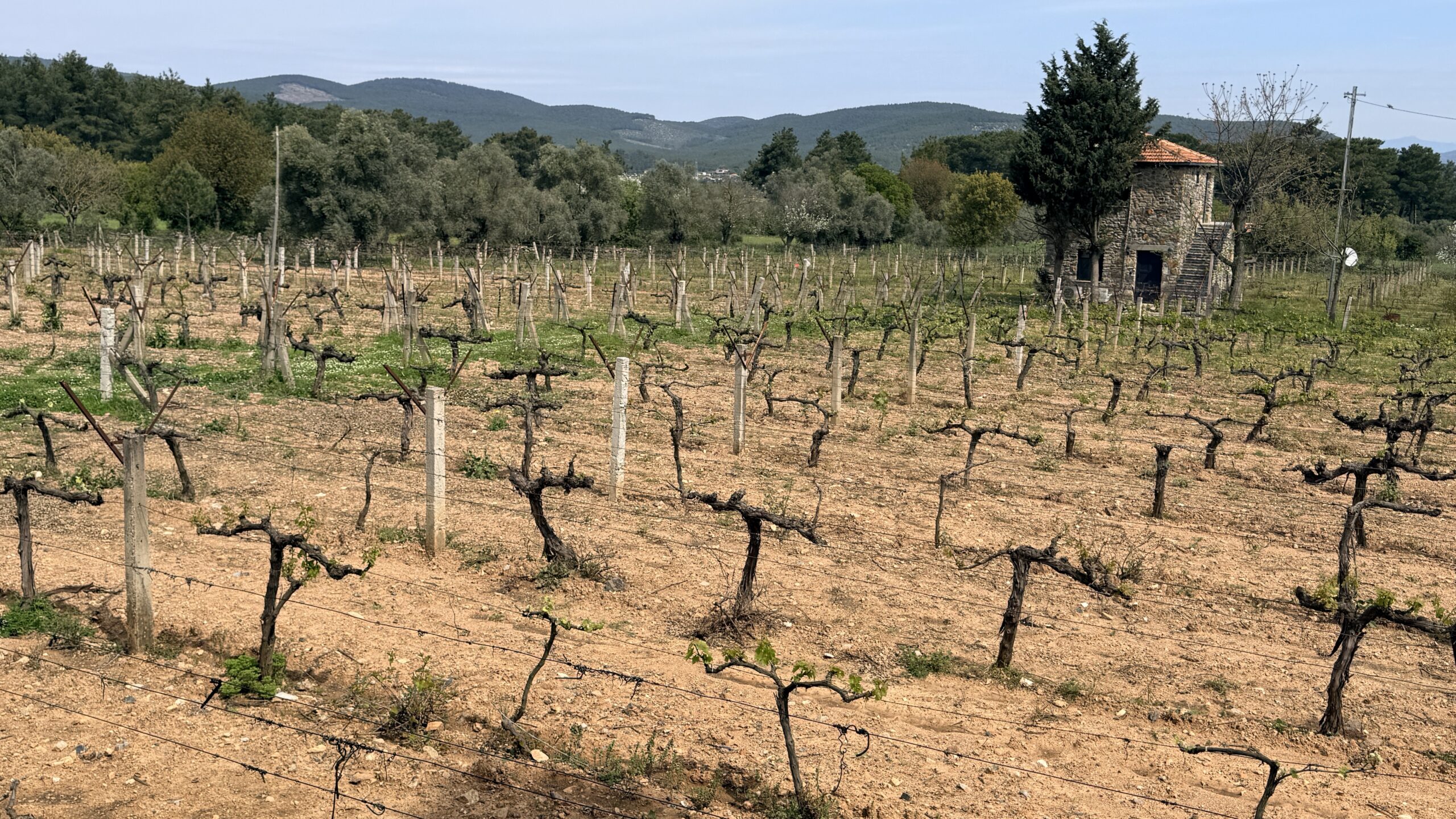
One of my favorite developments in modern Turkish wine has been the rediscovery of native grape varieties. Turkey reportedly has more than 1,000 indigenous grape types, though only a fraction are used for commercial wine production. Here are a few.
- Emir – bright white wine with lively acidity. Consistently high quality
- Öküzgözü – possibly the most emblematic red wine in Turkey
- Boğazkere – darker, more tannic, powerful structure
- Narince – aromatic, balanced, capable of aging, often blended with other grapes
Modern Turkish winemakers have been exploring these grapes, and wine bars throughout the country have begun to specialize in and promote them by the glass to local urbanites and international visitors. Don’t worry about the pronunciation, just try them.
Modern Wine Culture
Today, Turkey’s wine industry is relatively small compared to its potential. Political and cultural influences, and heavy taxes, are barriers to growth. Wine costs, both by the glass and bottle, are dear.
New wineries are popping up in places like Thrace, about two hours west of Istanbul, Bodrum along the Aegean coast, and Cappadocia in central Anatolia. Many visitors arrive in Turkey thinking about beaches, ruins, and kebabs. Wine rarely makes it onto their itinerary.
Today’s Wine Bars
Wine bars in Turkey are a recent chapter in a very old story, and are part of modern culture. Sitting at a wine bar and ordering from a curated list is a contemporary indulgence. Unlike wine bars in the U.S., the atmosphere tends to be relaxed, absent of technical wine-speak, food-focused (cheese, mezze, small plates), casual, and sociable. Why not visit a few wine bars while in Turkey and experience the antiquity of Turkish wine?
Wine Bars to try in Istanbul
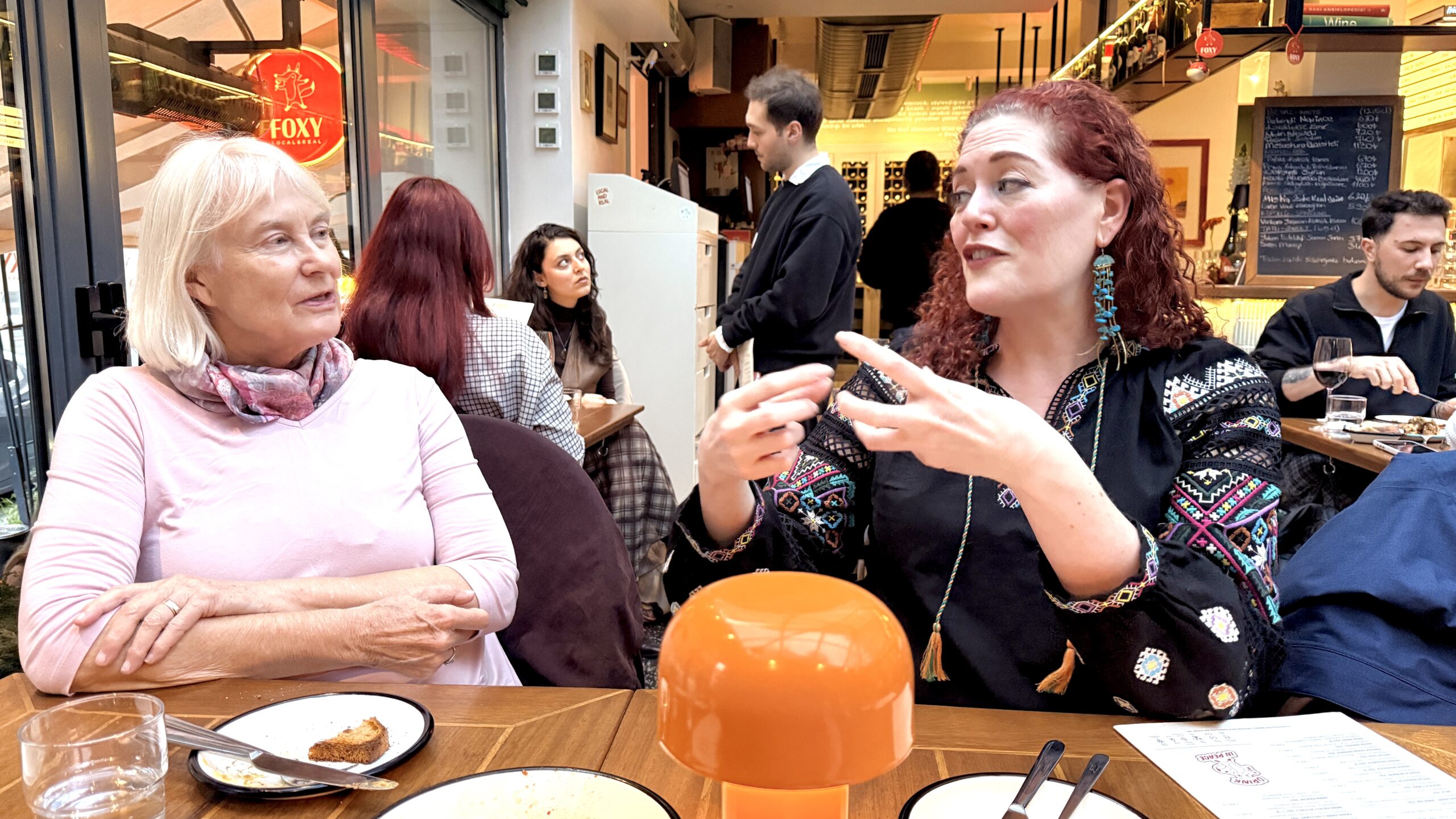
We met and tasted with the fabulous and locally famous wine guru and guide, Andrea Lemieux, aka The Quirky Cork, a Michigan Expat living in Istanbul for over 13 years.
Solera, the first wine bar we visited, is one of Andrea‘s local favorites. It opened in 2012, one of the first wine bars in Istanbul. Solera sits in the vibrant Beyoğlu neighborhood in “New Town.”
Solera offers over 50 glass pours, both indigenous and international varieties. We sampled three different wines, all made from native grapes and from different regions around the country. Solera has a very relaxed vibe, a great place to settle in and connect with friends.
We moved on to the trendy Bağ Pera wine bar, also in Beyoğlu, only a 15-minute Walk from Solera, and tasted three whites and three reds, all local Turkish wines, unique and well crafted. Bağ Pera is popular and upbeat, and tables were filled by the time we finished our tasting. Bağ Pera offers a modern take on Turkish mezze plates, ideal for pairing with a glass before heading out to dinner.
To wrap up our big wine bar crawl, we ambled off to Foxy Nişantaşı, whose wine list is focused on native grapes. Foxy offers a laid-back, upscale, jazzy hipster vibe you’d expect from a wine bar in New York City.
There are two seating options, a covered open-air terrace and indoor seating. It was founded by food and wine industry friends who created a mellow, lit space for sophisticated relaxation and conversation. Wines available by the glass, bottle, or taste. The small plates are spendy but excellent.
Other Wine Bars in Istanbul
Wayana Wine Bar & Tapas is located on the Asian Side of town, and is an affordable local’s favorite. The focus here is also on indigenous grapes, with 70-80 wines offered from over 120 producers. You can go deep into Turkish wines and small plates here. Wines are available by the glass, taster, or bottle.
Comedus Pera, aka Comedus Wine House, also in the Beyoğlu neighborhood, offers an extensive wine list and selection of Turkish cheeses.
Beyond Istanbul: Worth the Detour
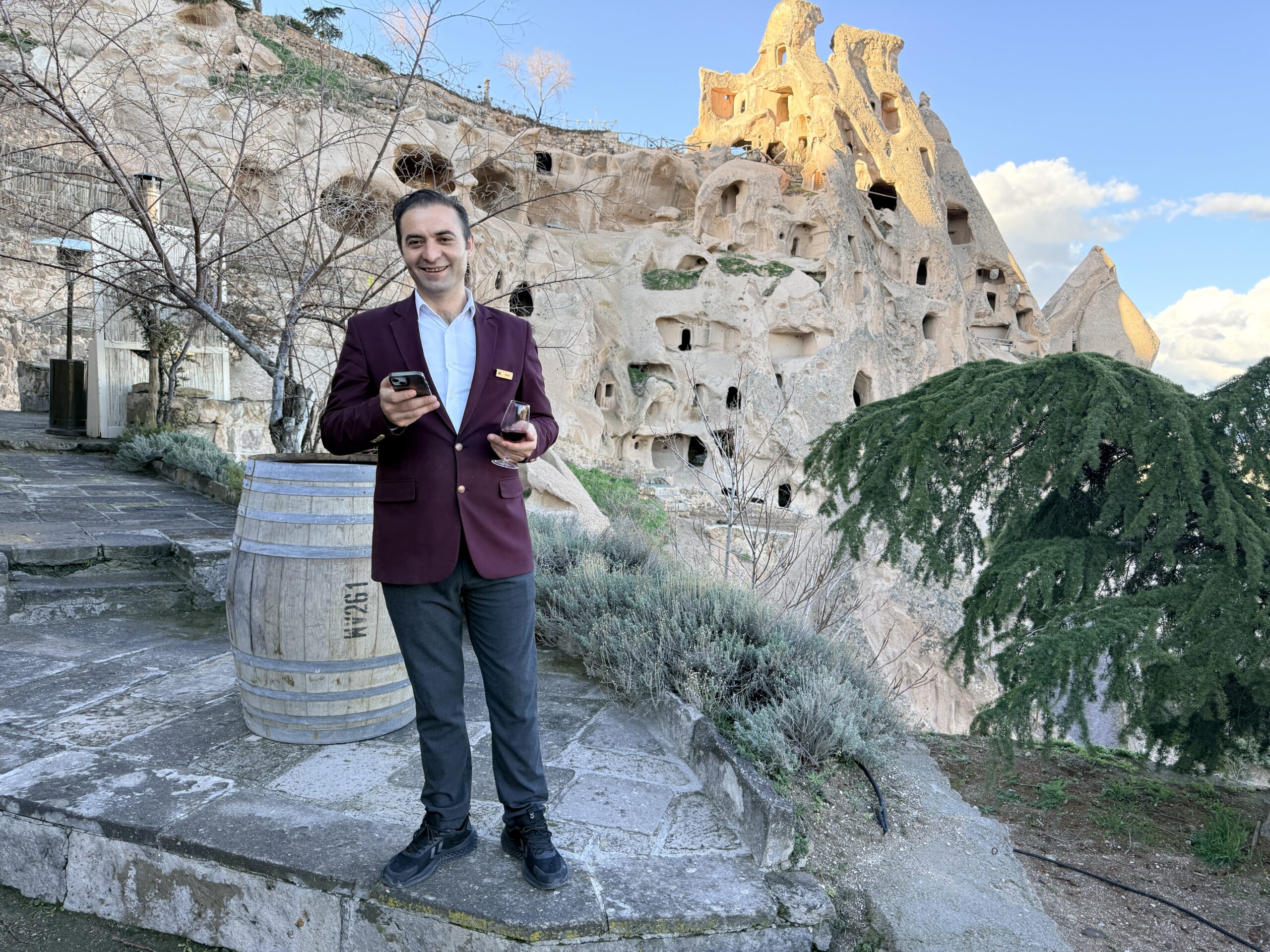
Many international travelers head to the Cappadocia region after visiting Istanbul. Most go for the unique tufa formations and hot air ballooning.
Cappadocia: Caves, Balloons…and a Serious Cellar
If you go, don’t miss visiting Argos in Cappadocia. It’s an ancient monastery turned boutique hotel. The hotel, restaurant, and wine cellars opened in 2010, setting a new high bar for wine and food excellence. The Argos wine cellar is the largest in Turkey, and houses over 22,000 bottles and more than 30 wine vintages from around the world.
“Nahita Dokya” is the winery brand owned by the Argos group. All of the wines – about six labels – are sourced from fruit grown on their 22 hectares (about 50 acres) of estate vineyards.
Whether you visit or stay overnight, plan on setting up a private tasting well in advance. This is an ideal group event, preceded by a special splurge dinner at the restaurant. Tour the caves and enjoy a next-level wine-tasting and food-pairing experience with Nihat, Abdullah, or a member of the sommelier team. Reservations are required for both 3 pm and 6 pm sit-down tastings. Check the website for details and choose the three-wine or six-wine package option.
Must do while visiting: eat at one of the on-site restaurants. We unanimously agreed that our best meal in Turkey was at Nahita, one of four onsite options.
You might also enjoy Afara Wine House and Cave Restaurant, located in Göreme, a popular village in the heart of the visually stunning tufa formations and ancient caves. The wine house tasting room is adjacent to the cave restaurant, and a great way to share a bottle before dinner next door. Free tastings run up to five different Cappadocia regional wines, both native and international grapes. Choose a bottle of your favorite and settle in with friends before heading to the cave restaurant and more local wine.
Bodrum: Yachts Optional, Wine Recommended
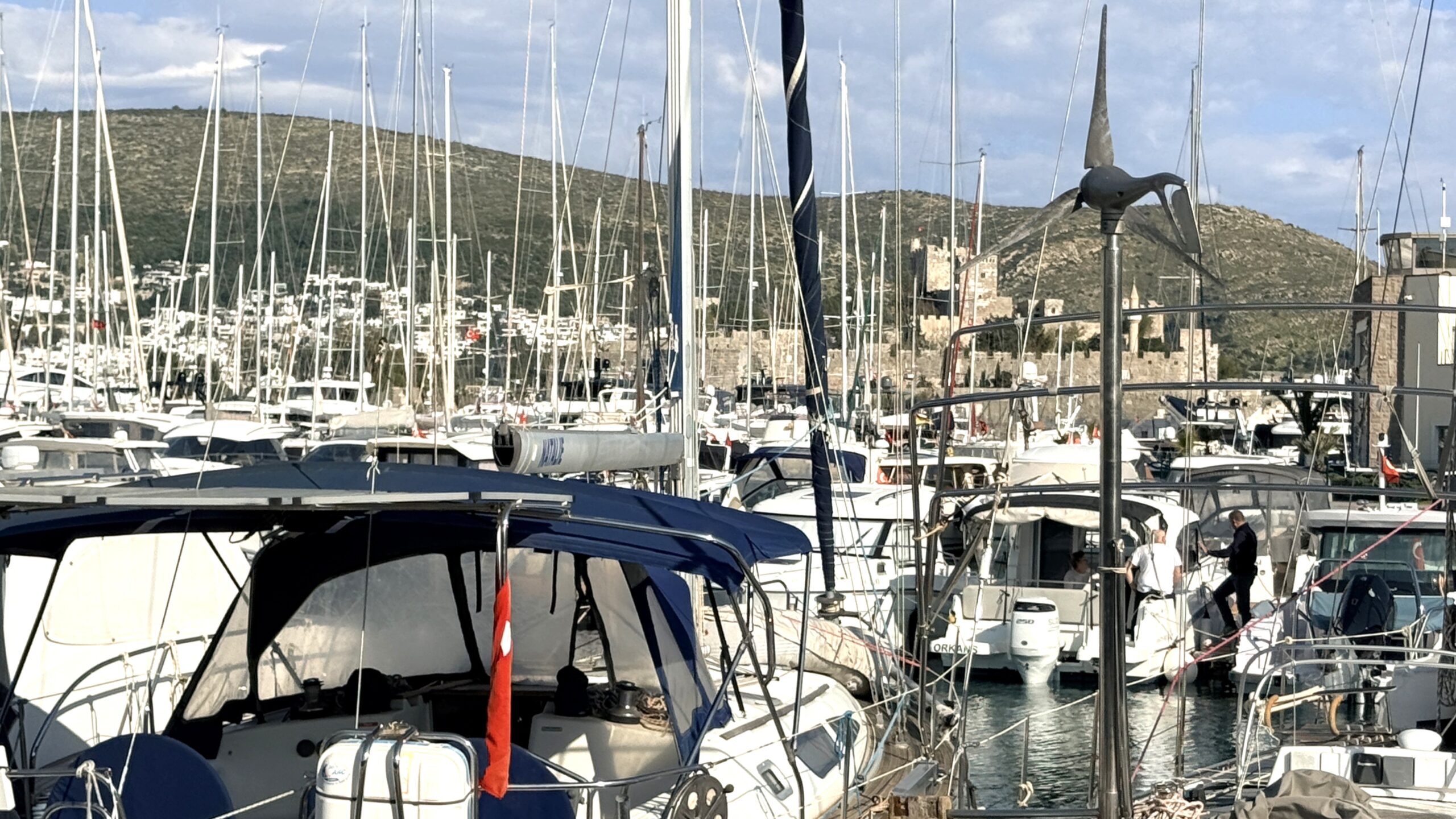
The most visited seaside resort on Turkey’s southwest coast is Bodrum. When you aren’t sailing or yachting, or visiting ruin sites like Bodrum Castle and the Mausoleum of Halicarnassus, walk the marina waterfront and find Meyland Gourmet Wine & Deli, which operates as a traditional wine bar with snacks. Settle into a table at the bar indoors or pull up an outdoor table with a marina view.
Marina Wine House is located inside Marina Yacht Club, which has multiple restaurants, bars, and live music venues. The wine list is extensive. Go here if you want an inclusive evening out location.
My Take: Start with a Glass
Turkey’s Wine Bars and Wine Houses are a modern entry point to Turkish wines, and a great way to experience one glass at a time without committing to a full bottle.
They connect the country’s remote vineyards to the local and international drinking community.
You don’t need a plan—just a place to sit.
You May Also Enjoy Reading:
Cappadocia: Walking Through Turkey’s Living Landscape
Read more from Carl here: https://linktr.ee/carlgiavanti
