
I moaned.
I whimpered.
A Taiwanese massage is not for the timid.
My travel colleagues and I were on our first visit to Taipei. I was eager to explore the city’s offerings through the lens of wellness and well-being. We looked forward to a soothing, relaxing, pleasantly aromatic massage after our 12-hour flight from Seattle to Taipei.
Instead, I got a slow, searing probe of the layered knots of my deep tissues. I almost cried. Afterward, we asked our host about our experience: Was this typical? She replied, “I usually opt for a more intense massage.”
I had a lot to learn about Taiwanese wellness and well-being.
Taiwan Done Well
Bordered by the East and South China Seas, the Republic of Taiwan (ROC) is a relatively small island nation. It lies west of Japan and east of the mainland People’s Republic of China (PRC). The country is about the size of Maryland, 245 miles long and 89 miles wide.
Our destination was Taipei, a city just shy of 2.5 million residents, rising to nearly 7 million when including the surrounding New Taipei and Keelung.
Here’s what I found there while exploring the island through the lens of wellness and well-being.
Moving Naturally in Taipei’s Streets
Our Taiwan fitness program evolved organically, starting with street navigation and daily walking. “Keep on moving” became our mantra over the next week.
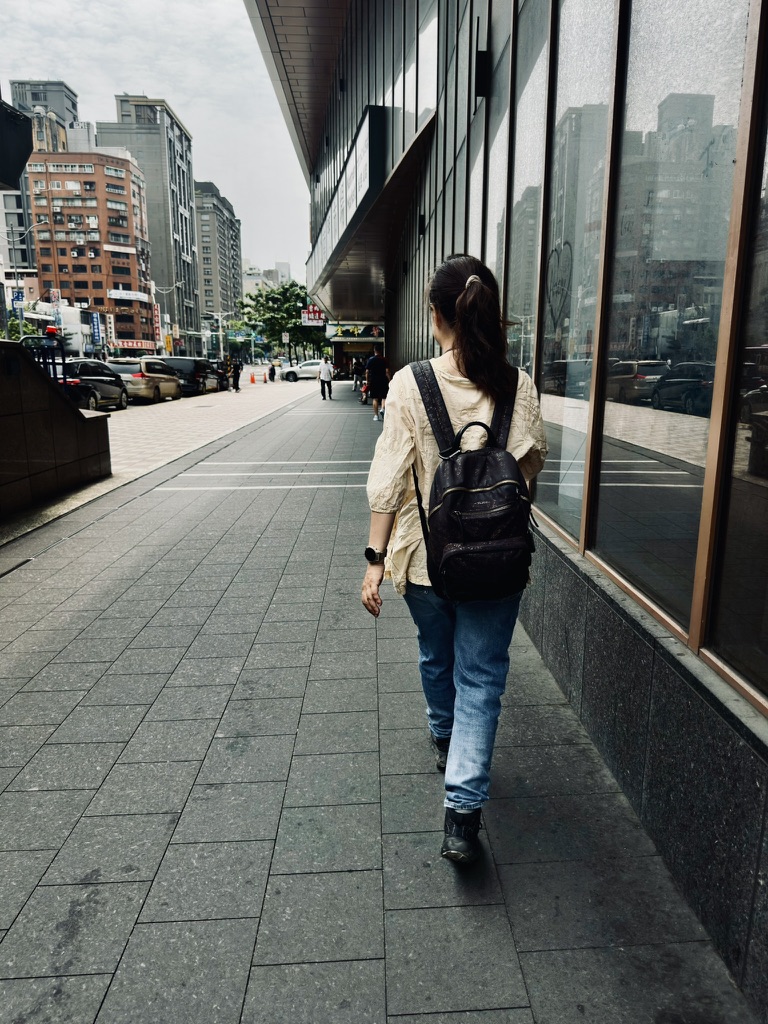
Our guide Jennifer speed walking in Taipei © Nancy Mueller Photos
We did our best to follow our host guide Jennifer, a cross-country runner, as we wove past clustered shoppers and dazzling displays in colorful markets, through winding alleyways uphill and down, over uneven terrain. No need to head to a gym; our walking tours became urban hikes, and we mostly managed to keep up the pace before Jennifer reached the next postal code.
Healthy Eating in Taiwan
A healthy Taiwanese diet relies on steaming and braising fresh seafood, chicken, and lean meats. Leafy greens and tofu are also staples, with rice, white noodles, and sweets enjoyed in moderation. Throughout our visit, we tasted delectable dishes inspired by Chinese, Japanese, and Indigenous influences in ingredients, preparation, and presentation.
After a solid night’s sleep following that invigorating massage, we continued our wellness journey. Up next was a foray into a purveyor of the city’s fresh foods at one of Taipei’s most notable markets.
Nanmen Market
Among Taipei’s 37 public markets, Nanmen Market stands out as one of the city’s most historic and traditional. The market has served residents since 1906. It was joined later by immigrant communities that arrived when the Nationalist government relocated from mainland China in the 1940s.
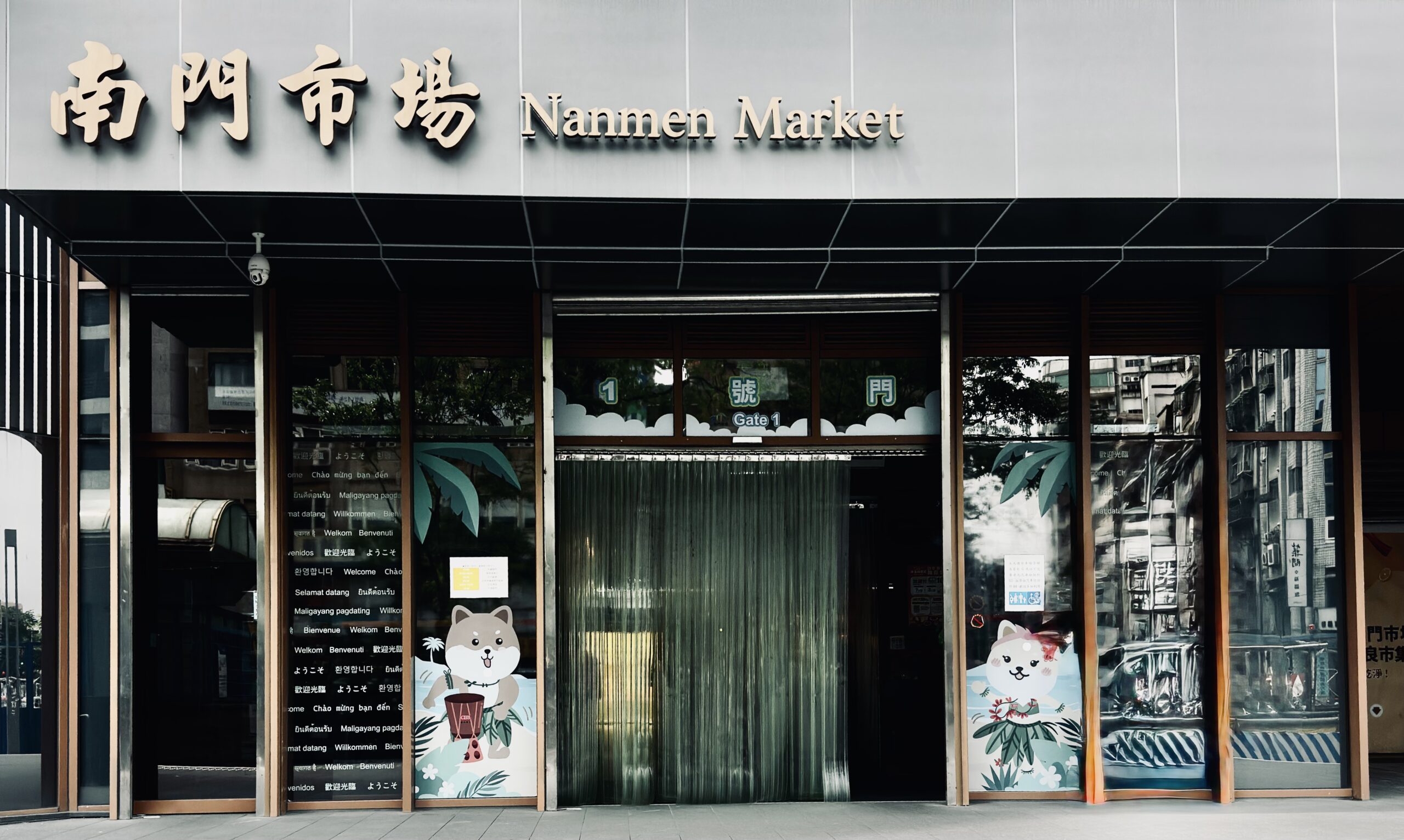
Nanmen Market, Taipei © Nancy Mueller Photos
After a structural rebuild, the market reopened at its original site in 2023, featuring a modern glass facade. Inside, vendor stalls line the perimeter of the brightly lit, spacious aisles.
Today, Nanmen Market spans three floors of the 12-story building, and we hit them all: fresh foods on the basement floor; snacks and dried foods on the first floor; and clothing and a food cart on the third floor.
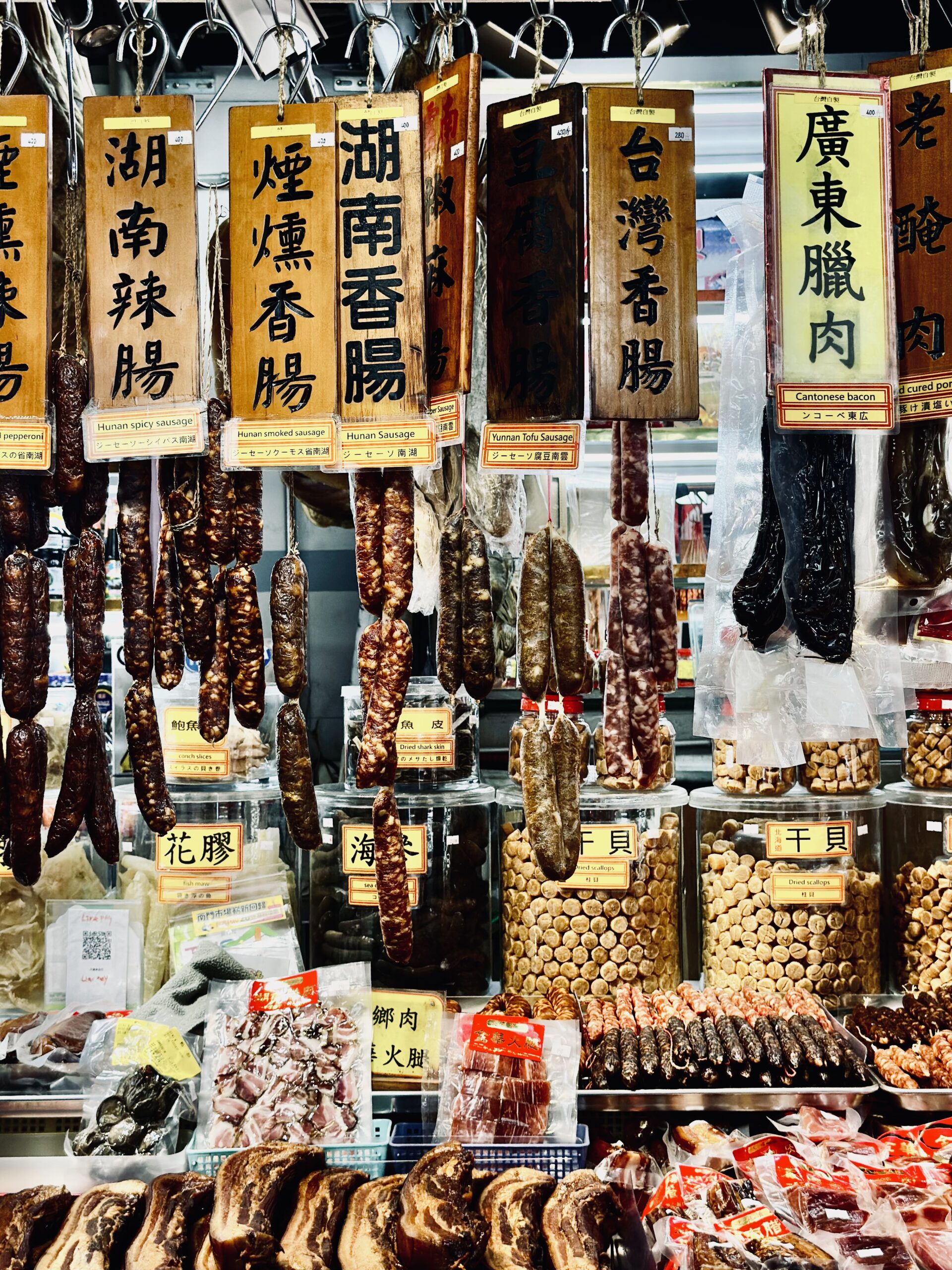
Sausage stall at Nanmen Market © Nancy Mueller Photos
We wandered and sampled delicious bites of traditional Taiwanese food from lavish stalls filled with seafood, pork, chicken, beef, fruit, and produce.
We marveled over pastries like Taiwan’s iconic pineapple cake (feng li su) and peach, strawberry, and blueberry custard-filled concoctions in flaky crusts. Tastings of savory mooncakes filled with minced meat and pork, creamy, nutty taro paste, and mildly sweet mung (green) bean paste followed.
Din Tai Fung
When you dine at a restaurant that offers a “Peace of Mind Guarantee” on its menu, you know you’re in good hands.
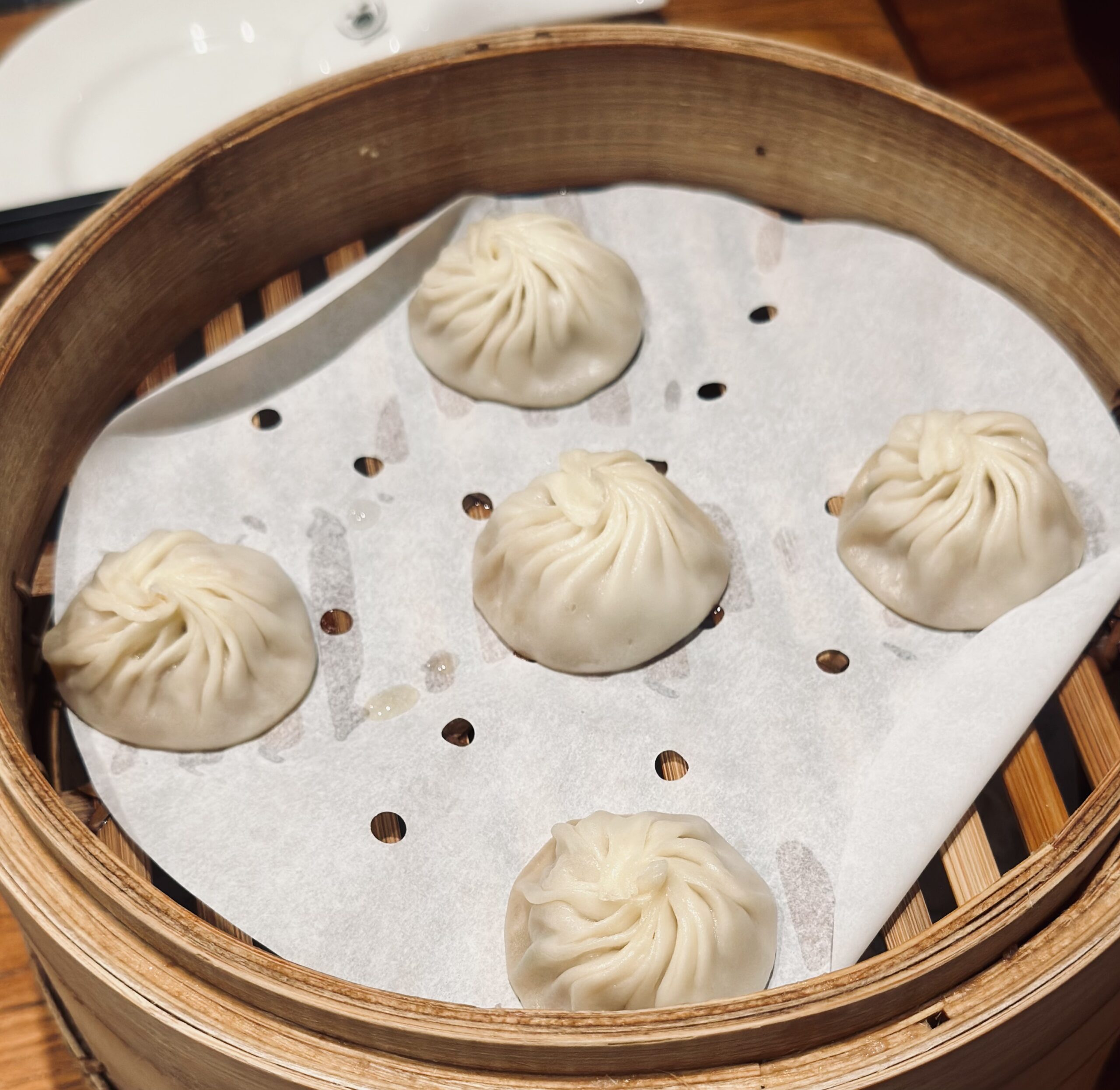
Soup dumplings at Din Tai Fung © Nancy Mueller Photos
And touring Taipei without dining at Din Tai Fung to taste its legendary Xiaolongbao, soup dumplings filled with minced pork and steamed in a savory broth, would be a mistake. You can’t eat just one, and we didn’t.
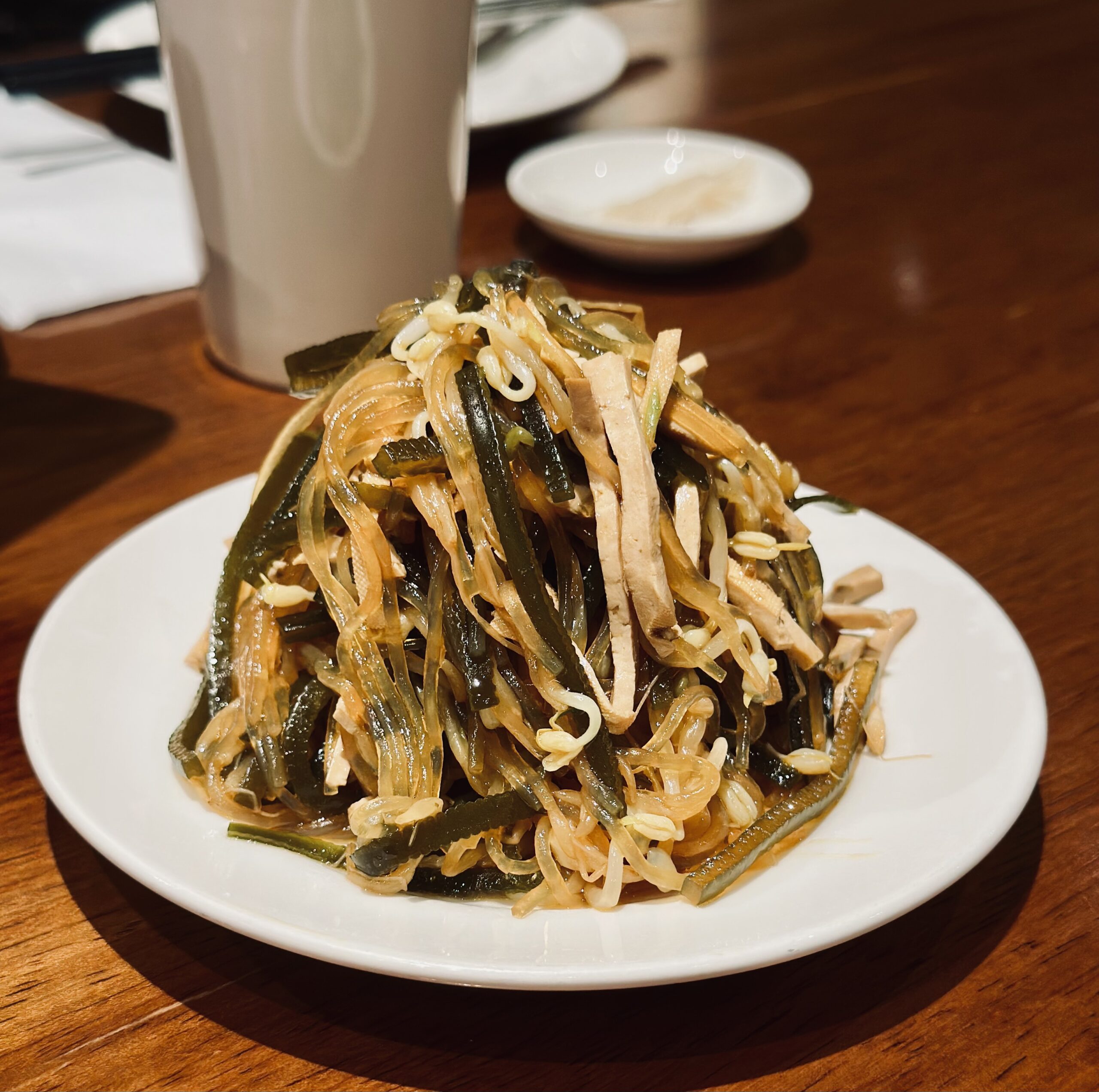
Xiaolongbao soup dumplings at Din Tai Fung © Nancy Mueller Photos
A refreshing house-special appetizer came next: a towering noodle dish with bean sprouts, seaweed, and tofu. This was accompanied by servings of flavorful stir-fried rice with shrimp, pork, and egg, and slow-cooked braised beef noodle soup.
Red Lantern Restaurant
Our reservations-only lunch at Red Lantern Restaurant at Silks Place Yilan was exceptional. The interior showcases the color red, a symbol of good fortune and happiness in Taiwanese culture. Hanging red lanterns and table decor created an opulent ambiance.
The restaurant specializes in its signature Cherry Valley roasted duck, served in five ways. It is so committed to serving exceptional cuisine at its peak flavor that customers who arrive more than 15 minutes late are not only out of luck; they’re out of duck.
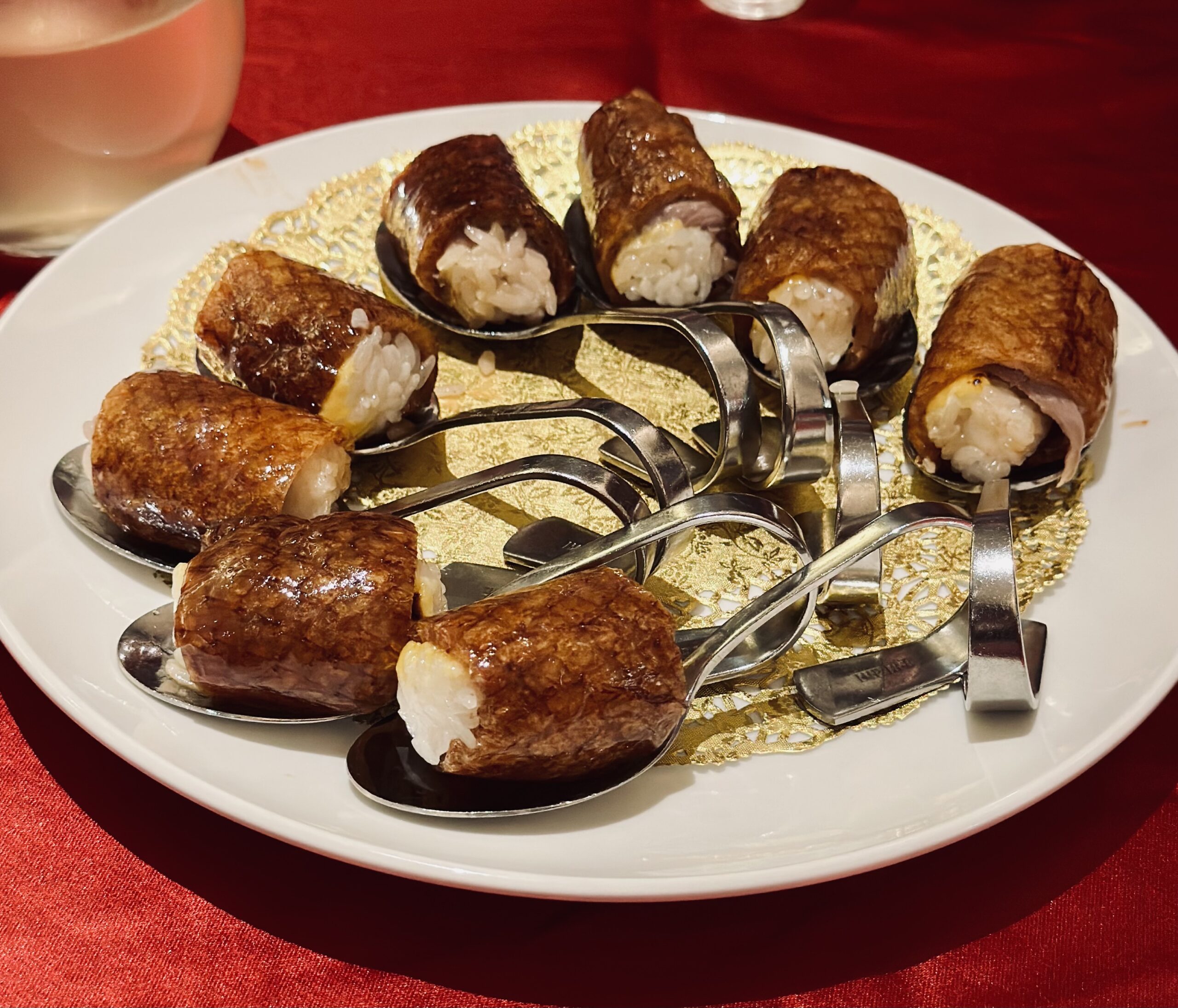
Scallion Crepe Duck Rolls at The Red Lantern Restaurant, Taiwan © Nancy Mueller Photos
Moist. Flavorful. Innovative. From roasted duck nigiri to scallion crepe duck rolls and double-boiled duck bone soup, the dishes were exemplary in taste and presentation. However, I might have opted for the duck lettuce wrap had I realized the English translation of my order was the savory stewed duck tongue, wings, and webbed feet.
Taiwan’s Tea Culture
Can Taiwan’s wellness formula be as close at hand as a cup of tea?
The Taipei tea culture runs deep. On our tour, we gazed at Taipei’s lush tea-growing hills from a scenic ride on the Maokong Gondola. At Bagua Tea Plantation, overlooking Thousand Island Lake, we viewed verdant terraced tea fields laid out in the Bagua symbol. These trigrams represent the universal balance of opposing energies, yin (dark) and yang (light).
Scant scientific evidence supports many exaggerated claims about tea’s health benefits; yet few can deny the calm, comforting effect of cradling a cup and sipping its warmth. Perhaps wellness lies in the slow ritual of a tea ceremony. Or simply in pausing to inhale its aroma or savor its soothing flavor.
We enjoyed both in a traditional tea ceremony at Tea Master Chang Nai-Miao Memorial Hall.
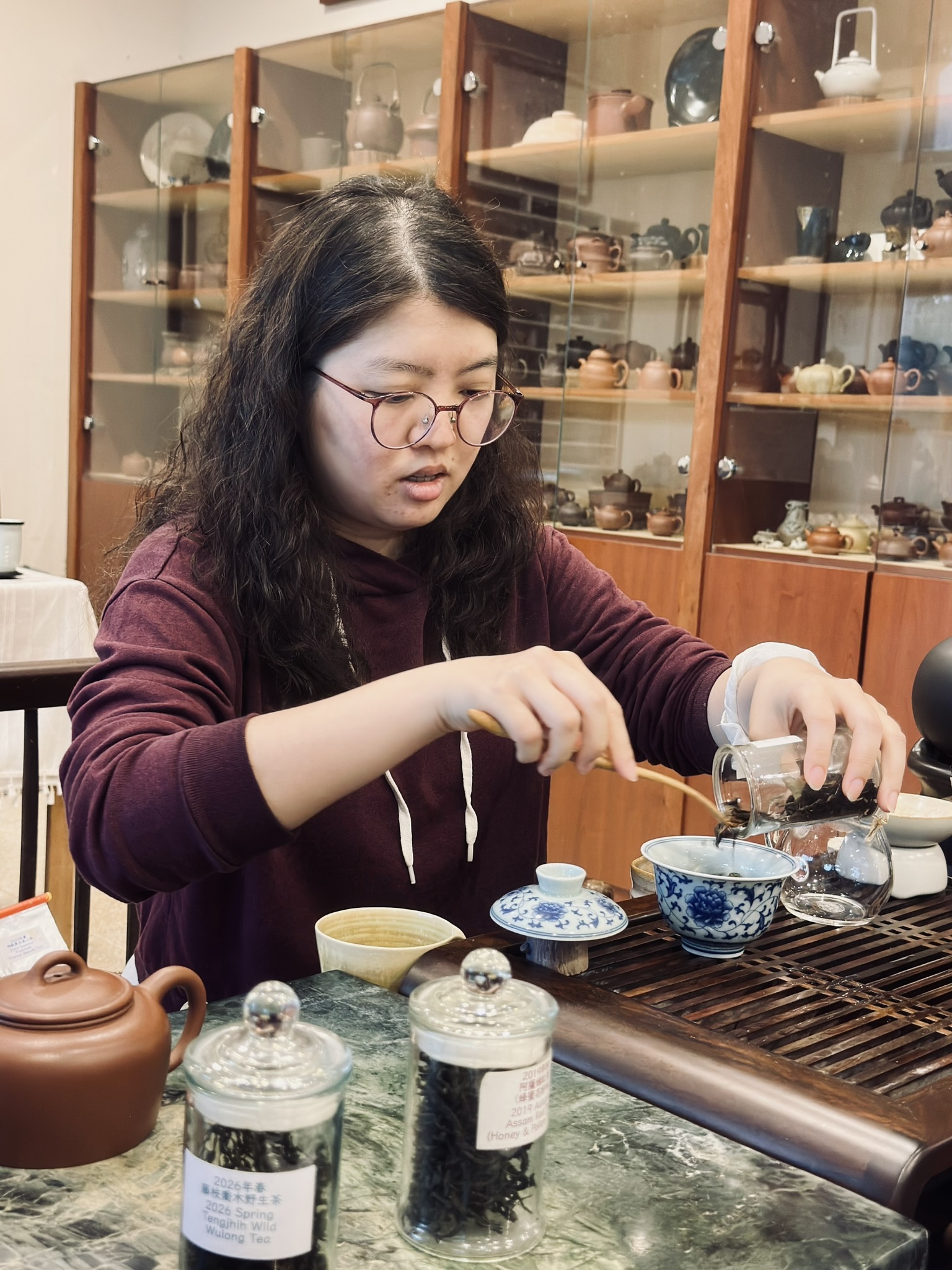
Tea Ceremony at Tea Master Chang Nai-Miao Memorial Hall © Nancy Mueller Photos
“The Memorial Hall was built to teach people how to appreciate and produce good teas,” explained our host. She discussed Taiwan’s tea history, processing practices, and brewing cycles and shared a few tea facts: the six categories of tea (green, red, dark green, yellow, and black); that Taiwan’s teas are often paired with something crunchy, like peanuts or crackers; and that dark green oolong is the country’s most famous tea. Unlike the more ritualistic Japanese tea ceremony, our guide described the Taiwanese practice as more relaxed and conversational.
Bubble Tea
If traditional tea drinking evokes calm and comfort, Taiwan’s iconic bubble tea brings effervescence and fun.
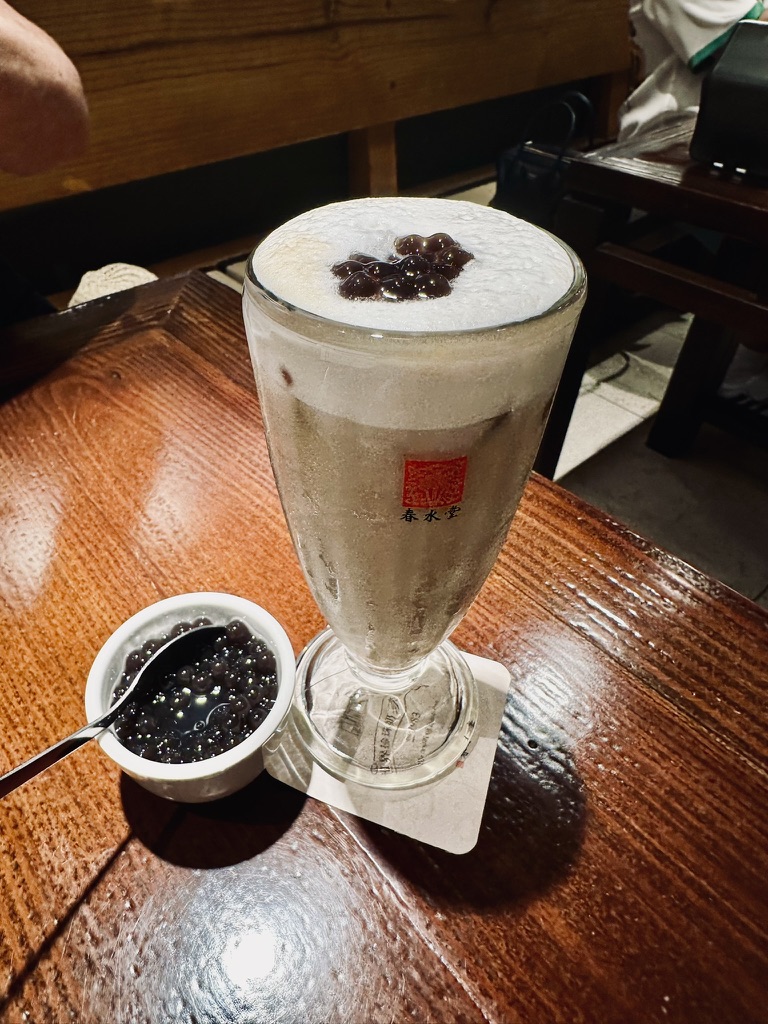
Taiwanese Bubble Tea © Nancy Mueller Photos
Two Taiwanese establishments, Chun Shui Tang and Hanlin Tea Room, vied for inventor rights to the popular beverage. It has since become a global phenomenon. After a decade-long legal battle, the judge ruled that no single person could own the rights to the public cultural product.
Bubble tea is a unique tasting experience, as drinkers sip cold, creamy tea through a wide straw, drawing soft, slightly chewy, sweet tapioca pearls (boba) from the bottom. During our visit to Chun Shui Tang, we topped our bubble black and bubble premium jasmine teas with juice-filled boba for a mouth-popping treat.
Spiritual Practices in Taiwan
One aspect of Taiwan’s wellness and well-being lies in balancing Taipei’s fast-paced energy with the tranquility of quieter, more contemplative environments.
Nung Chan Monastery
A day of Zen serenity began with our visit to Nung Chan Monastery. The renowned Buddhist temple is founded on the principle of “farming for a living and meditation as a lifestyle.” Simplicity, evident in its thoughtful design and practices, lies at the heart of the monastery.
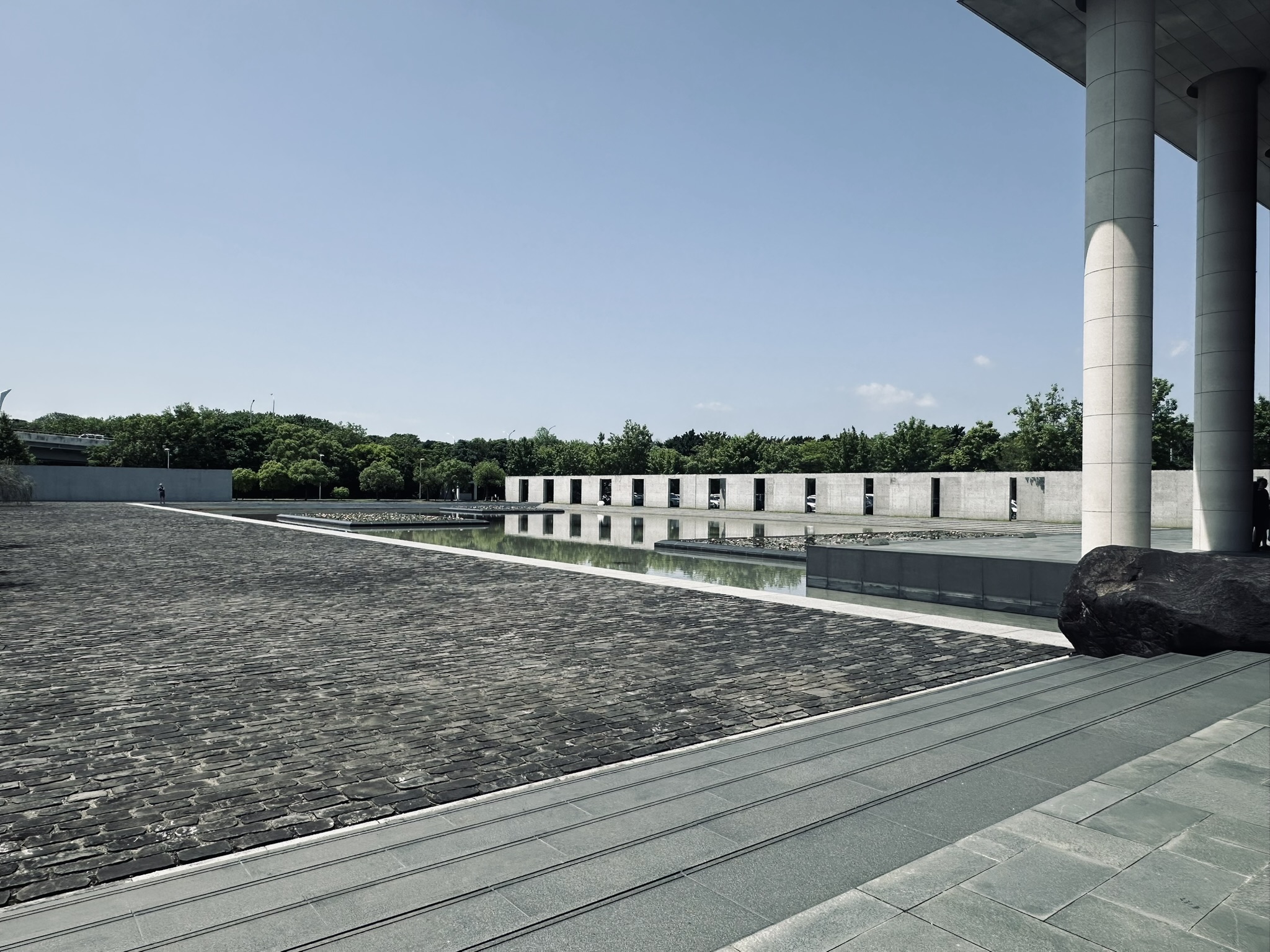
Nung Chan Temple, Taiwan © Nancy Mueller Photos
We were invited to participate in a meditative “Water Bowl” mindfulness practice. The brief ritual involved balancing a bowl of water for physical and mental serenity while walking slowly. The effect was calming and peaceful, and we did our best to adopt the Chan attitude during our visit: “Recognize the problem, face it, deal with it, and then let it go.”
Longshan Temple
For general blessings, spiritual guidance, and specific wishes (including love, academic success, fertility, and protection), Longshan Temple is a deeply significant and active place of worship for Buddhist followers.
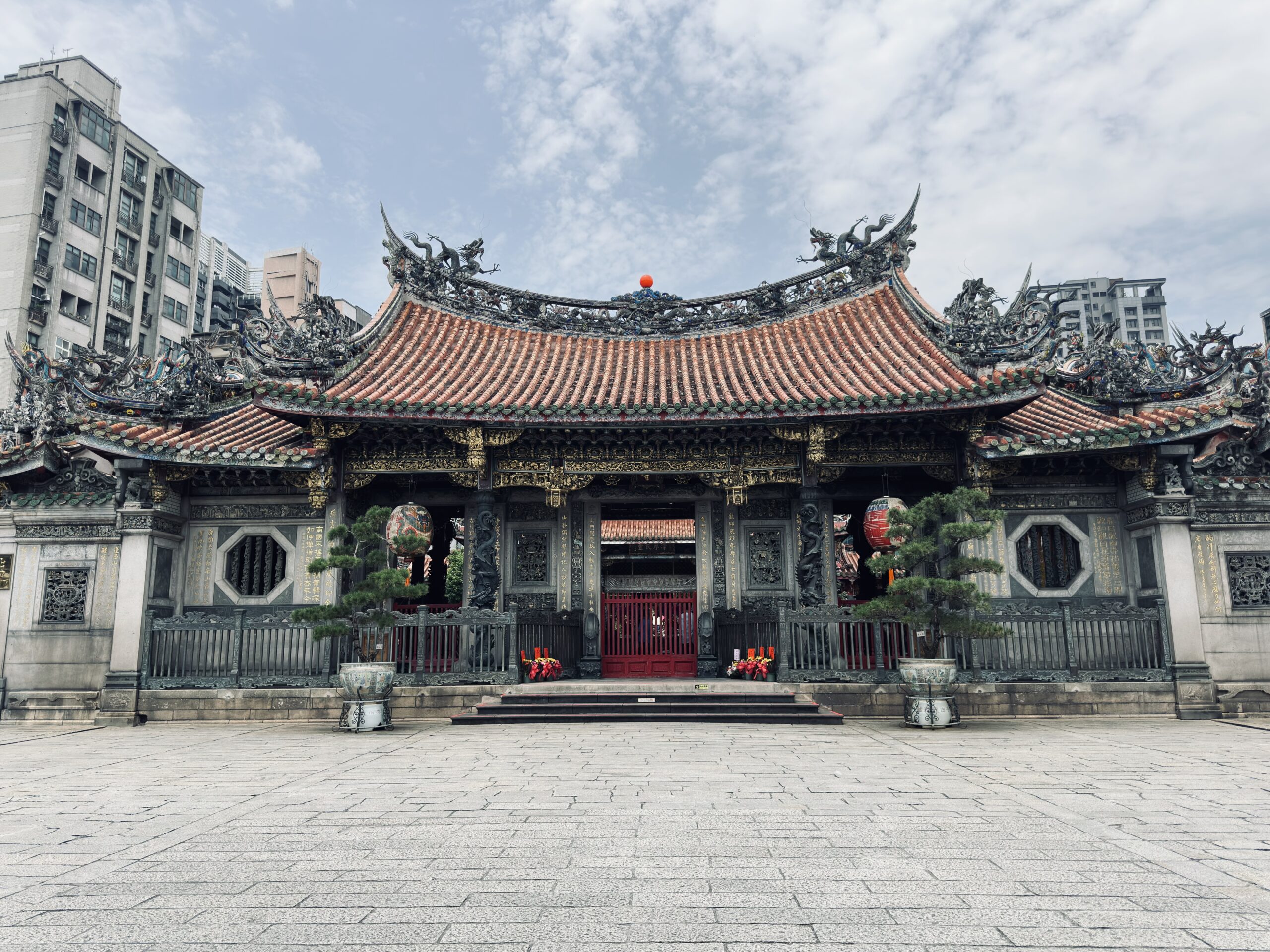
Longshan Temple © Nancy Mueller Photos
The temple is an opulent architectural masterpiece, featuring intricate carvings of deities, mystical creatures, and animals.
We entered through the Dragon Gate, and while walking through the temple grounds, observed several shrines to deities in multiple halls, offerings of fruit and flowers, and practitioners making wishes.
Stress Management
The value of spending time in nature to slow down and clear the mind is well-documented, and we found several ways to do so during our tour.
Parks and Gardens
From strolling through green spaces at Sun Yat-sen Garden and Jieshou Park in downtown Taipei to visiting Beitou’s Thermal Valley, where we relaxed in private hot springs at Marshal Zen Garden, nature’s beauty and calming effects surrounded us.
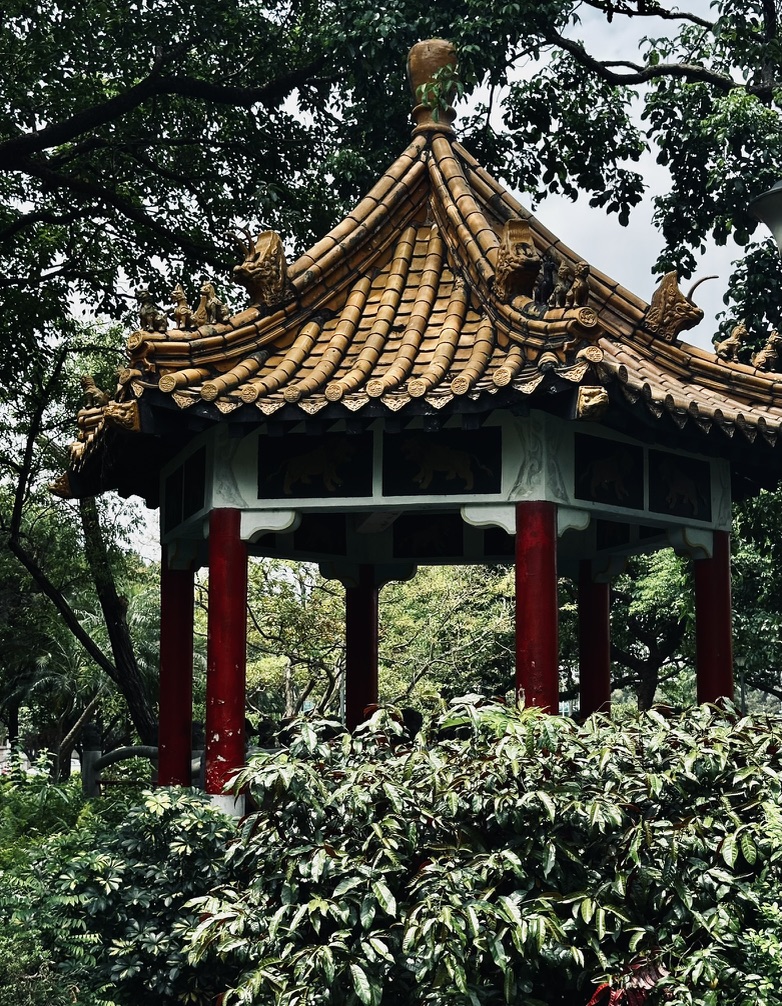
Jieshou Park Pavilion © Nancy Mueller Photos
Coastal Waters
For our visit, a day trip to the Ruifang District on Taiwan’s northern coast offered a welcome break from Taipei’s lively pace. From our viewpoint along the northern coastal road, the Yin Yang Sea stretched out before us, revealing an intriguing visual blend of yellow-white and turquoise waters. Hence its name, reflecting the duality of calm and active energies.
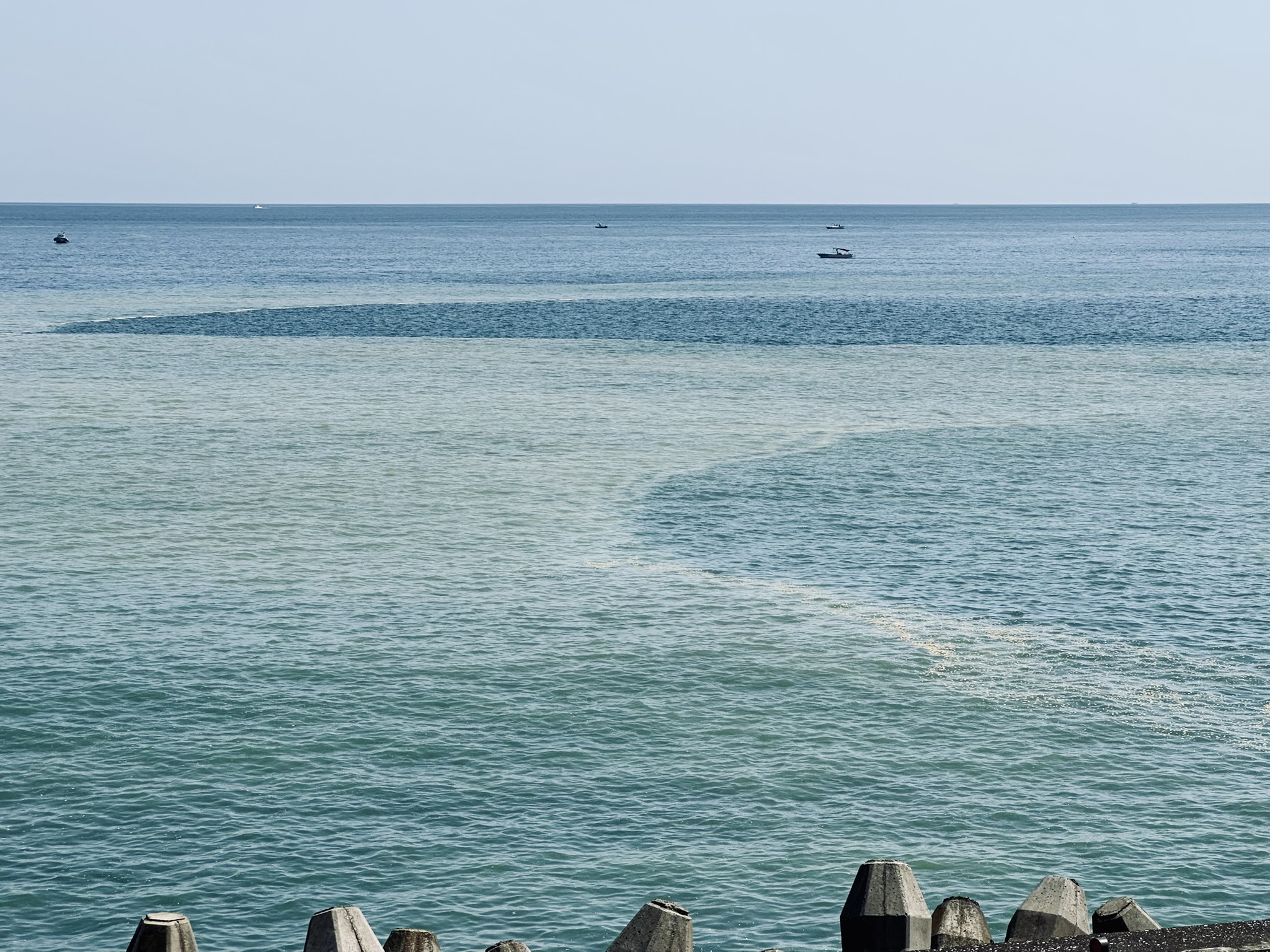
Yinyang Sea in New Taipei City, Taiwan © Nancy Mueller Photos
Opposite the Yin Yang Sea, the Golden Waterfalls catch the glint of sunlight amid the jagged Jinguashi Cliffs that rise dramatically from the roadside.
And Finally, Taiwanese Massage
As I mentioned, my experience with Taiwanese massage was fierce, which I later learned is a therapeutic practice designed to clear blocked energy and requires deep tissue pressure. I get it.
On my next visit, though, I’ll opt for a relaxation session — strictly to balance my own yin and yang duality, of course.
If You Go
EVAAir, China Airlines, and STARLUX offer direct, non-stop air service to Taipei from Seattle, San Francisco, and Los Angeles.
Hotel Cozzi Zhongxiao Taipei is a stylish boutique hotel located at the cross street of Zhongxiao East Road and Shaoxing North Street in the heart of the city and is a convenient one-minute walk to the Mass Rapid Transit (MRT) Shandao Temple Station. Breakfast, weekday lunch, and afternoon tea are available in The Lounge.
The Sheraton Grand Taipei Hotel (a Marriott Bonvoy property) is also located near Shandao Temple Station, and features such guest amenities as luxury rooms and suites in modern Chinese decor, 10 restaurants, and a Club Lounge for Platinum+ members.
Be sure to check out the character- and brand-themed 7-Elevens featuring beloved figures like Hello Kitty, Pokémon, and Snoopy, among over one hundred others throughout Taipei.`
Many thanks to EVA Air for my flights and Taiwan Tourism for hosting my visit.
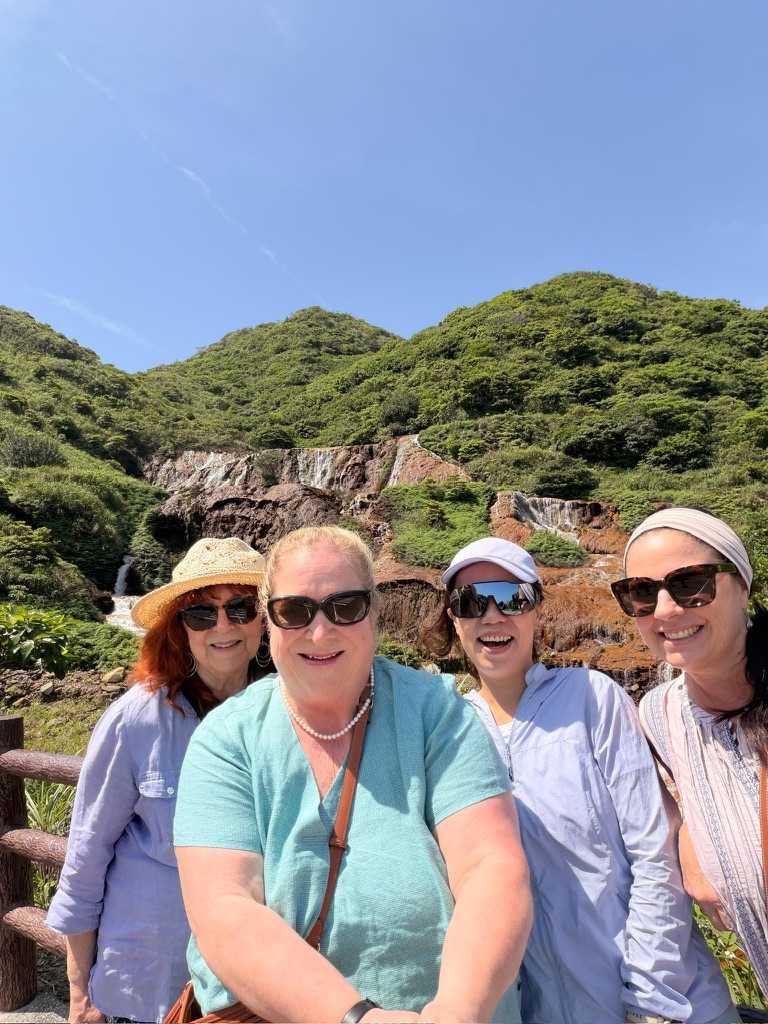
Nancy, Peggy, Jennifer, and Emily at the Golden Waterfall © Nancy Mueller Photos
You May Also Enjoy Reading
- Splendours of an East Asia Adventure: Hong Kong and Taiwan
- Explore South Korea’s Seoraksan National Park
- Sample the Flavors of South Asia along Surrey’s Spice Trail
