
Taipei’s frantic pace and high-speed urban energy can be exciting, but for this introvert, it can be overwhelming. But there can be a distinct, serene balance to Taipei that comes from the quiet, steady ritual of a boiling kettle. My most relaxing experiences during my trip to Taiwan all revolved around Taipei’s tea culture.
I explored Taipei’s Tea Culture and experienced the island’s rich liquid heritage in traditional and surprising ways. From the misty, mountain-hugging plantations of Maokong to the historic storefronts and museums, it was an immersive journey into history and hospitality. All of the places listed below are either within Taipei’s city limits or a short day trip away.
Ascending the Peaks to Maokong
Every tea tour should start in Maokong, in Taipei’s Wenshan District. It’s the undisputed heart of Taipei’s tea culture. The village at the top of the mountain offers scenic views of Taipei from its many tea houses and restaurants. Maokong is a premier oolong tea growing region.
Maokong Gondola: A Journey Above the Clouds
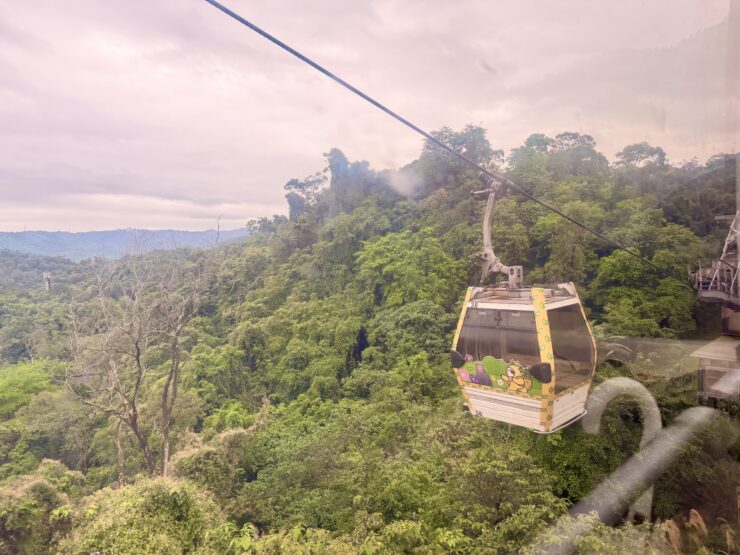
During my visit, the misting rain and clouds created an atmosphere of limited visibility and mystery to the Maokong Gondola ride. I chose to ride straight to the top, but you can also stop at the Zhinan Temple Station to visit the 19th-century Taoist temple or hike the many scenic trails. If you don’t mind a longer queue, get in line for the Crystal Gondolas with a glass bottom.
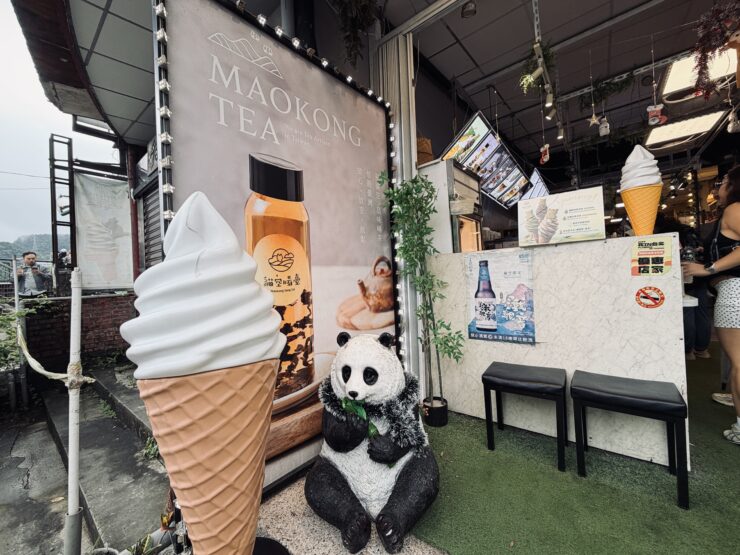
Once you leave the gondola, take a break at one of the many shops to try the soft-serve tea ice cream. It is a wildly popular culinary treat where locals infuse tea directly into the ice cream. The oolong tea adds a delicate, aromatic flavor without being overly sweet. The rich, creamy texture of this cold treat hit the spot on this very warm, humid day.
Tea Master Chang Nai-Miao Memorial Hall
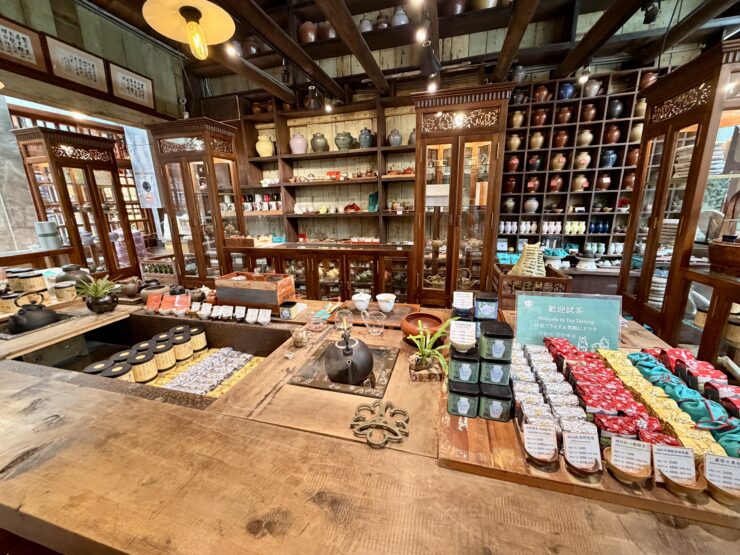
For a tea lover, walking into the Tea Master Chang Nai-Miao Memorial Hall felt like a pilgrimage. Chang Nai-Miao is the pioneer who introduced tea from Fujian, China, to this region in 1895, effectively building the tea industry that exists to this day. To honor him on the 100th anniversary in 1995, his family established the Memorial Hall. My visit began with a private guided tour of the museum on the second floor. I learned about tea production in the area and the historic tools used in tea cultivation. Nai-Miao collected the artifacts over his lifetime, and many are valuable.
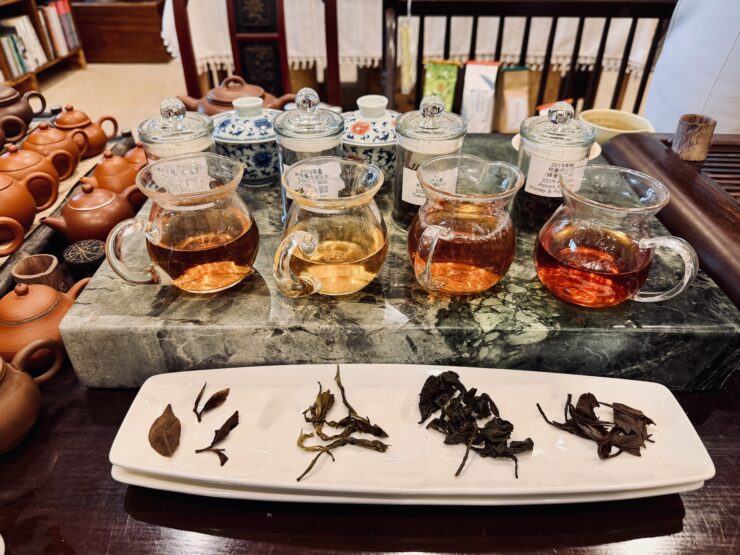
The visit ended with a traditional tea tasting ceremony and time to shop. I tried four types of tea and found the experience so informative. Apothecary jars filled with tea leaves, clay tea pots, and the sound of simmering water added to the atmosphere. The attendant lined up the tea leaves with the brewed tea for comparison, and the colors ranged from a rich amber to a pale golden hue. Each sip had a distinctive flavor profile, and I found the experience similar to a wine tasting. I have to admit I spent way too much money in the gift shop purchasing the teas I tried.
History, Traditions and Terraced Landscapes
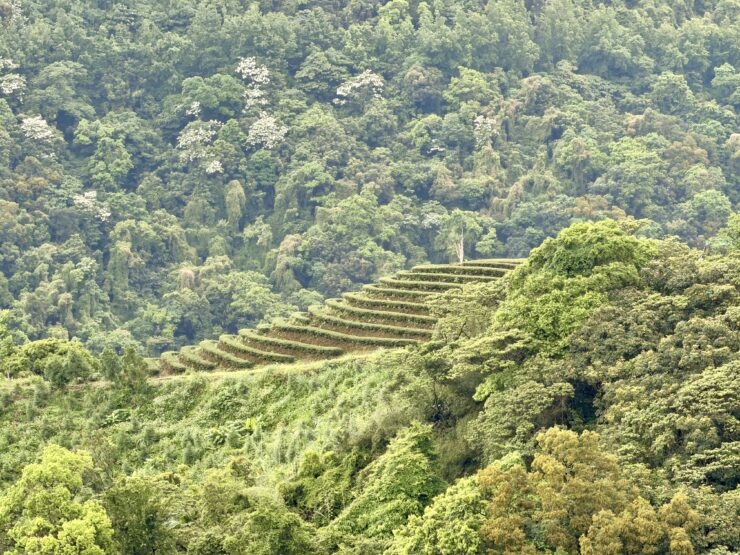
My tour continued with a drive outside Taipei to the Pinglin District, a lush mountainous area in New Taipei City. The area boasts pristine water and holds a designation as a Taiwan water resource protection zone. I enjoyed lunch at a restaurant on historic Pinglin Old Street, a pedestrian zone with many tea houses.
Pinglin Tea Museum: History of the Leaf
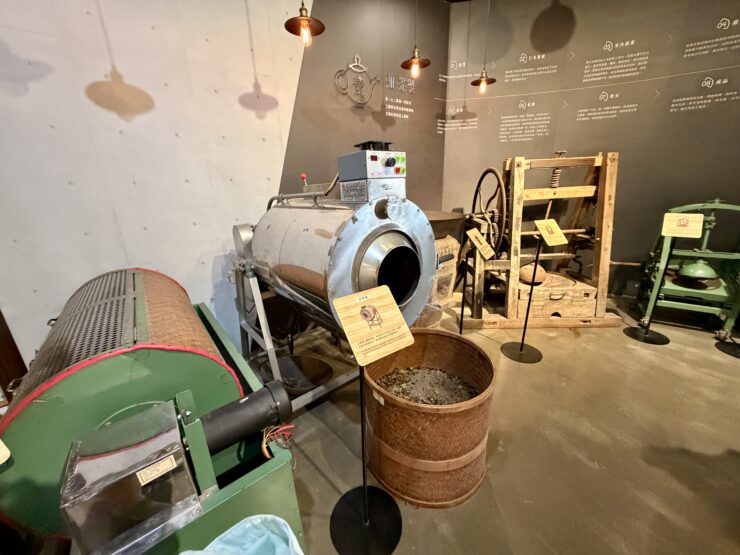
The Pinglin Tea Museum is the only museum in Taiwan focused solely on the leaf and is one of the largest tea museums in the world. Instead of dry history, I walked into a celebration of everything tea. Two exhibitions, Tea and Royalty and Tea Companion: Flavors of Delicacies, caught my attention. I spent the majority of my time fixated on teaware and the many food items served with tea in Taiwan.
FWT Tip: Take the time to explore the surrounding gardens and views of the crystal clear Beishi River.
Bagua Tea Plantation: The Terraces of Thousand Island Lake
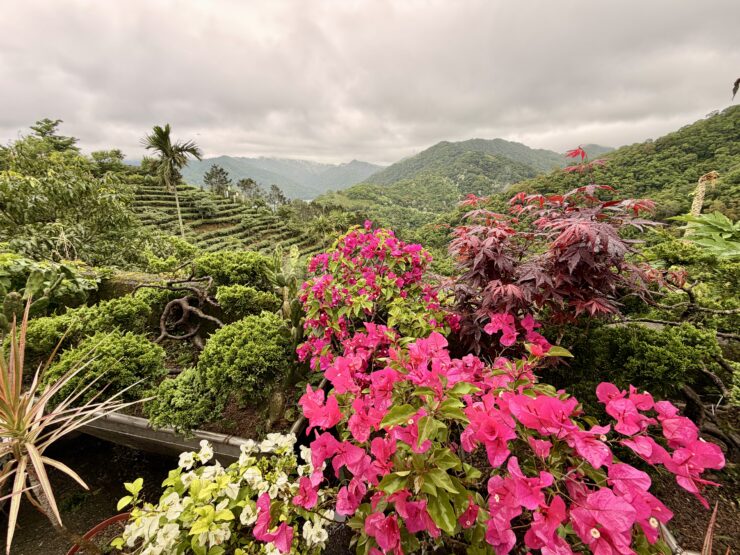
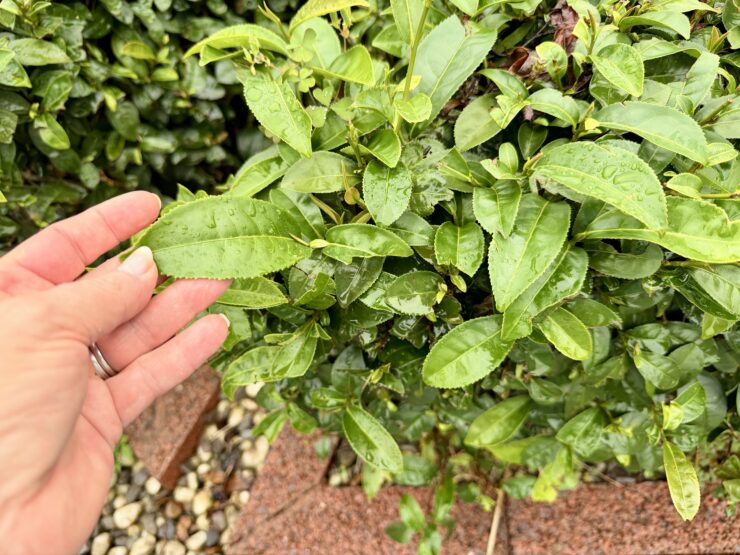
With no public transportation to the Bagua Tea Plantation, a guided tour is worth it. For my last stop on a Taipei Tea Tour, I rode through lush greenery on narrow roads up into the mountain hills of Northern Taipei. As an introvert escaping Taipei’s frenetic energy, the silence at the Bagua overlook was just what I needed. This is one of Taiwan’s most famous and photogenic tea farms. A small garden filled with tea plants allowed visitors to closely observe the plants while interpretive signs provided interesting facts about the area. The highlight is the views of terraced tea plants lining the hills and the stunning Thousand Island Lake.
A stop at the Bagua Tea Garden View Restaurant is a must. Queue up at the counter and order from a variety of teas, both hot and cold, served by the sweetest ladies. Then enjoy the views of Bagua Tea Plantation and Thousand Island Lake from the lovely, landscaped terrace. I loved sipping a brew that came from the tea plants growing below. The high mountain oolong tea had a rich, earthy flavor with a hint of sweetness. Time to relax and decompress with a steaming cup of tea was the perfect end to the day.
Modern Tea Innovations and Wellness Rituals
In addition to the Taipei Tea Tour, I discovered Taipei’s tea culture throughout my visit. Here are three of my favorite tea adventures.
Chun Shui Tang: The Birthplace of Taiwanese Bubble Tea
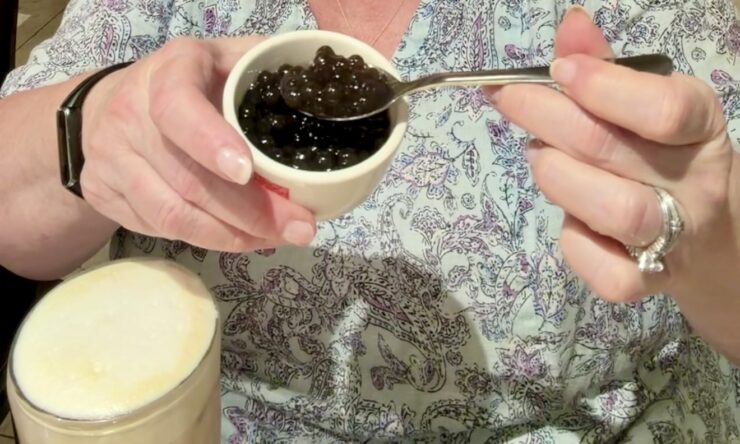
How appropriate that my first time trying bubble tea was at Chun Shui Tang, the iconic teahouse that invented pearl milk tea (bubble tea). Because I don’t like overly sweet drinks, I was relieved to find I could order it sugar-free. Shaken with ice and chewy tapioca pearls, it completely revolutionized Taipei tea culture. My first sip had a robust, malty character cut by the generous amount of milk. The tapioca pearls were bland, which I did not expect, but, when chewed, they became flavored with a sip of tea.
Due to its popularity, Chun Shui Tang now has locations throughout Taiwan, Japan, and Hong Kong. I visited the CKS Memorial Hall Store below the National Concert Hall and enjoyed lunch with my bubble tea. It’s a perfect location to visit before or after exploring the CKS Memorial Hall.
Marshal Zen Garden: Thermal Baths and Tea
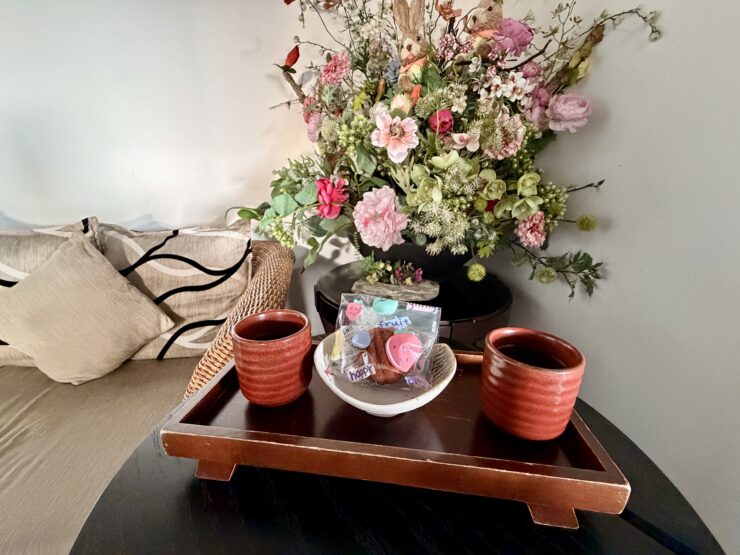
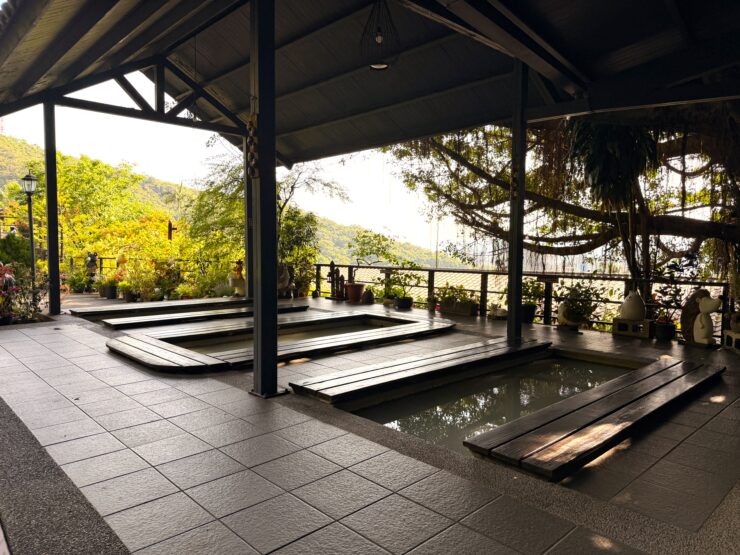
From the moment I walked through the gate to the Marshal Zen Garden, I felt swept away into a historical oasis rich with history and culture. A pathway and stairs lead down a terraced garden with aromatic flowers and the sounds of a trickling water feature to a covered outdoor terrace where you can soak your feet in special pools. I checked in for a therapeutic soak with water from a Beitou natural hot spring. Guests soak in private rooms with a huge stone tub with a large section for hot spring water, and a small section for a cold plunge.
After reclining on a comfortable chaise in my private spa room, I stepped out and enjoyed therapeutic tea with a light snack. I reached a new level of relaxation after my soak, and the tea replenished my electrolytes along with the crisp, shortbread cookies. Due to the heat, this day was grueling for me, so I appreciated this restorative treatment.
FWT Tip: Time your visit to enjoy the sunset. The Marshal Zen Garden is nestled along a hillside, offering stunning views of the Beitou Valley and Guanyin Mountain.
Ikken Antique Art and Lifestyle
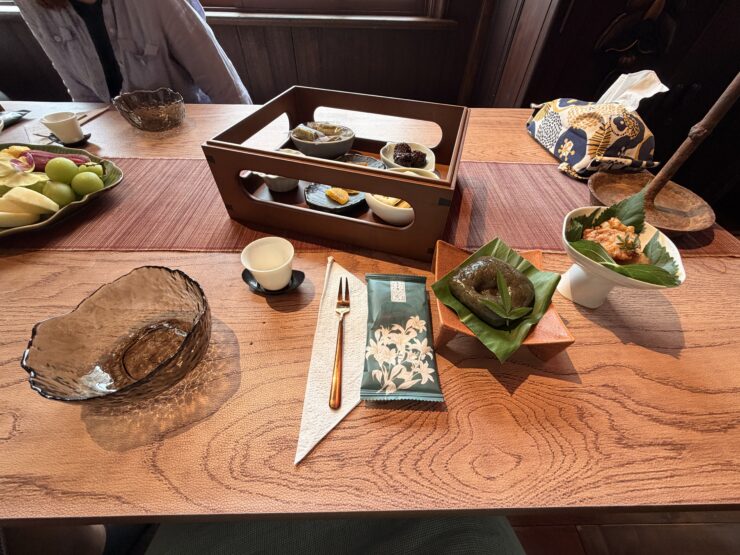
The Ikken Antique Art and Lifestyle began life as the guesthouse of the Taiyang Mining Company in Pingxi, where VIPs and company executives could relax and socialize. Today, it has been lovingly restored, with a focus on art, history, and the interesting lives of the literati, or the educated elite. A visit includes a guided tour of the mansion, which is surrounded by a serene Japanese garden.
Make sure to book the two-hour tea tasting at the reception hall, which is not on the guided tour. I equate this as the Taiwanese version of a high tea. An attendant carefully brewed tea and presented it to our group while explaining the technique. A wide variety of fresh fruits, crackers, dried fruits, pastries, and other foods accompanied the tea. The most surprising flavor profile was a bite of fried chicken and the aromatic hot tea. Definitely different but very tasty. I will long remember the experience in this beautiful historic mansion.
This was my last full day in Taiwan, and we ended it by heading to the nearby Pingxi Station to release eco-friendly sky lanterns with messages to our loved ones painted on their sides.
If You Go
All the experiences in this article, as well as lodging and meals, were arranged by My Taiwan Tour. A driver and an English-speaking guide picked up my group each day. I enjoyed the full-service option, and the company provided a detailed itinerary for each day. The company has a variety of options at all price points.
Thank you to the Taiwan Tourism Administration for hosting me.
You May Also Enjoy Reading
Splendours of an East Asia Adventure: Hong Kong and Taiwan
Explore South Korea’s Seoraksan National Park
Read more from Peggy at: Peggy, Where Should I Go?
