
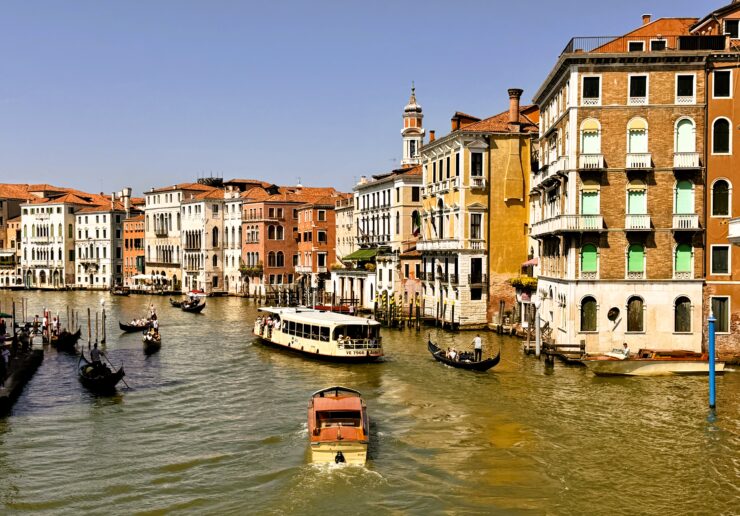
More Than a Beautiful Postcard
Few cities in the world inspire as much admiration and as much debate as Venice.
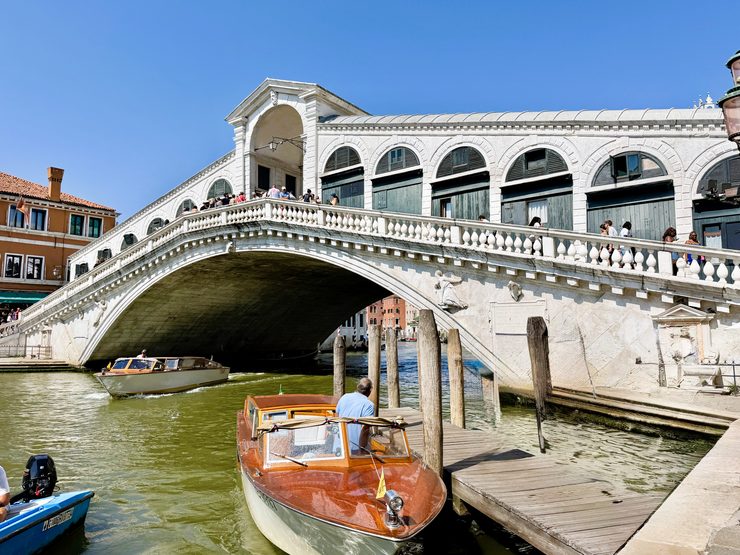
For generations, people have dreamed of gliding through its canals, standing beneath the soaring mosaics of St. Mark’s Basilica, crossing the Rialto Bridge, and wandering streets unlike anywhere else on Earth. In recent years, however, those postcard-perfect images have been joined by others: towering cruise ships dominating the skyline, shoulder-to-shoulder crowds, and growing questions about whether tourism had begun to overwhelm the very city people traveled so far to experience.
The conversation has gradually shifted from “When should I visit Venice?” to “Should I visit Venice at all?”
It’s a fair question.
We understood those concerns because we had experienced them ourselves. On earlier visits, Venice often felt as busy as its reputation suggested. Popular streets overflowed with visitors, long queues formed outside major landmarks, and finding a quiet moment near St. Mark’s Square usually meant arriving early or staying late.
Like many of the world’s most beloved destinations, Venice was grappling with the challenge of welcoming millions of visitors while preserving the character that had made it extraordinary.
A Different Venice Emerges
© Wanderers Compass
© Wanderers Compass
© Wanderers Compass
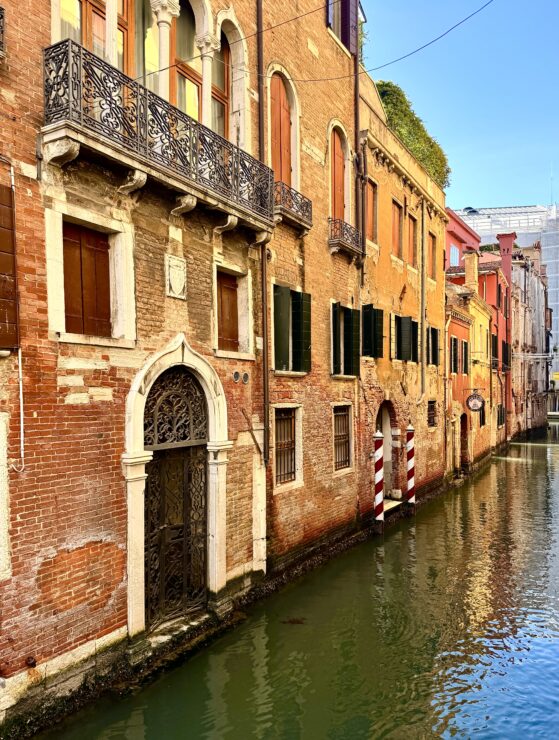
When we returned during the Venice Biennale, we expected crowds. On our most recent visit, our first during the height of summer, we prepared ourselves for even more.
Instead, Venice surprised us.
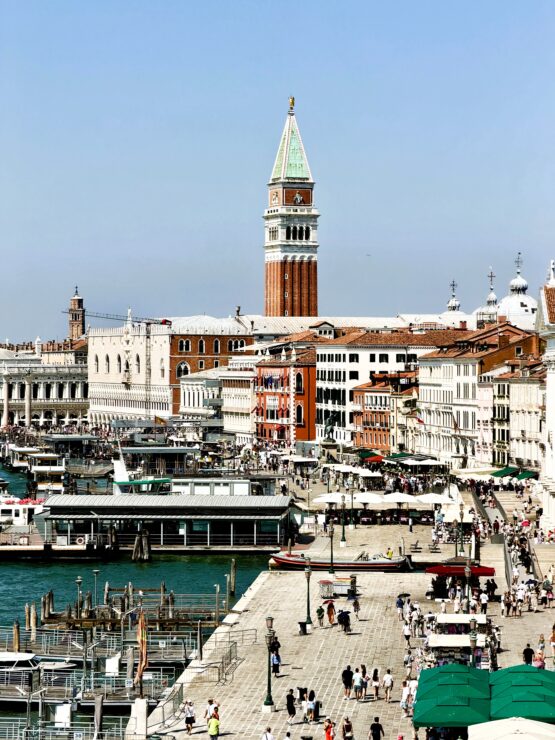
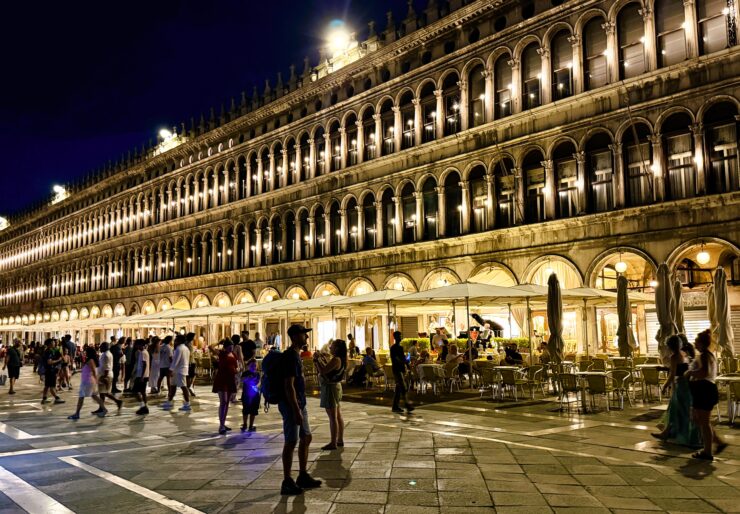
It was busy, certainly, but not overwhelmingly so. St. Mark’s Square was lively, vaporetti crossed the Grand Canal, and Venice’s iconic landmarks remained every bit as popular as expected.
What surprised us was everything beyond those familiar scenes.
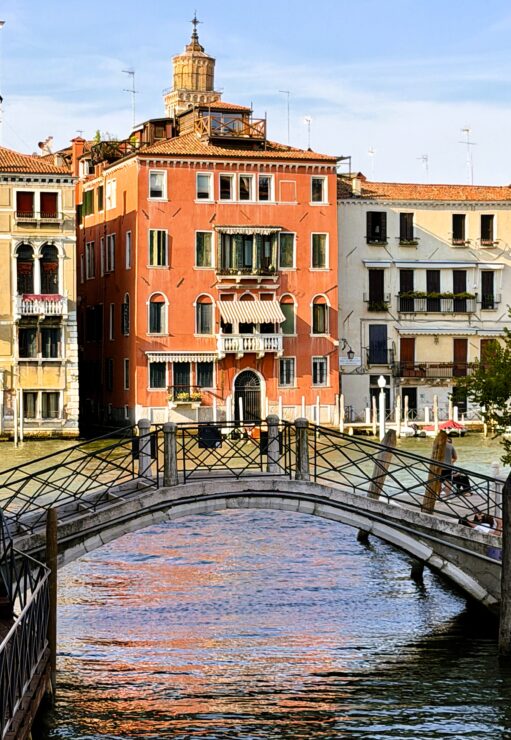
Just a few bridges away, the atmosphere changed. In Cannaregio, Castello, and other residential neighborhoods, daily life unfolded at an entirely different rhythm. We wandered quiet canals where the loudest sounds were church bells and water gently lapping against centuries-old stones.
Even in the height of summer, we found moments when we were almost alone.
The Venice many visitors never meet isn’t particularly difficult to find.
Sometimes it is simply a few turns away.
Signs of Change
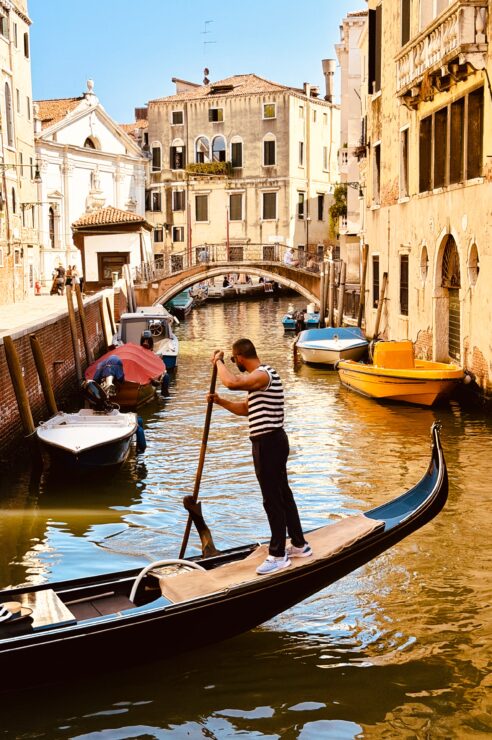
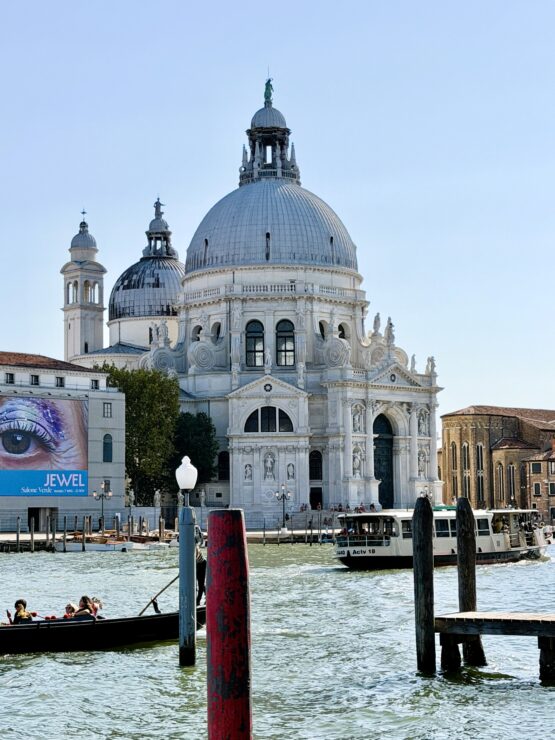
© Wanderers Compass
It wasn’t only the quieter streets that caught our attention.
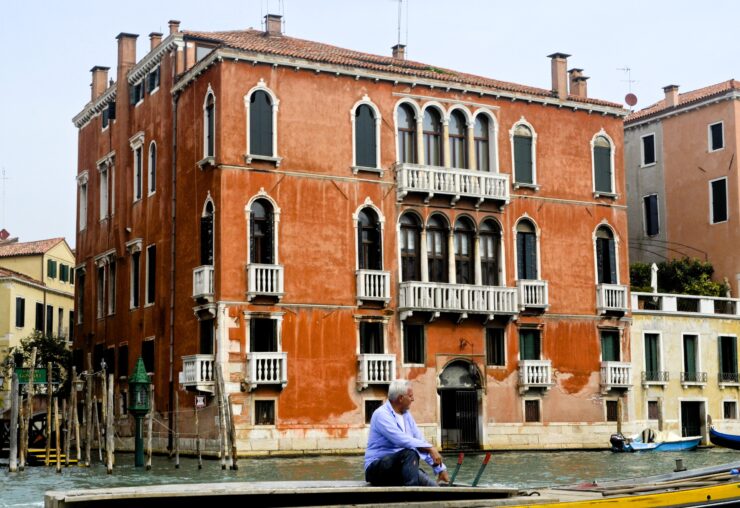
The canals appeared cleaner than we remembered, while the absence of enormous cruise ships passing directly through the historic center transformed the skyline and restored a different relationship between Venice and its lagoon.
Venice has also continued its efforts to manage tourism better and protect daily life, from limiting guided tourist groups to 25 people to targeted canal-cleaning projects. None of these measures solve Venice’s challenges on their own, but together they signal a city trying to find a better balance between tourism and livability.
Perhaps even more telling were our conversations with people who call Venice home.
One thing became very clear: Venetians are passionate about their city and the life they have built here. They spoke about their neighborhoods, businesses, traditions, and Venice’s future from the perspective of people personally invested in what happens next.
No one suggested Venice had solved all its problems.
Neither would we.
But their passion gave us hope that efforts to protect this extraordinary site’s livability and sustainability will continue.
Venice isn’t simply being preserved for visitors. It remains home to people determined to protect the city they love.
A Different Way to Experience Venice
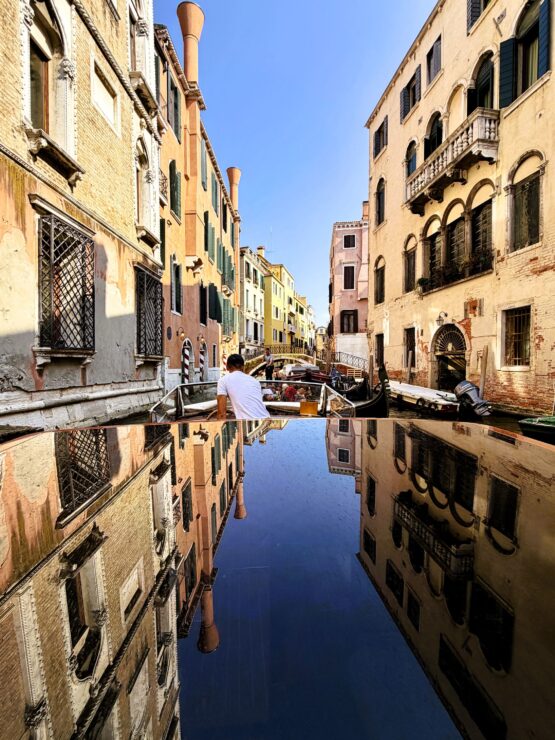
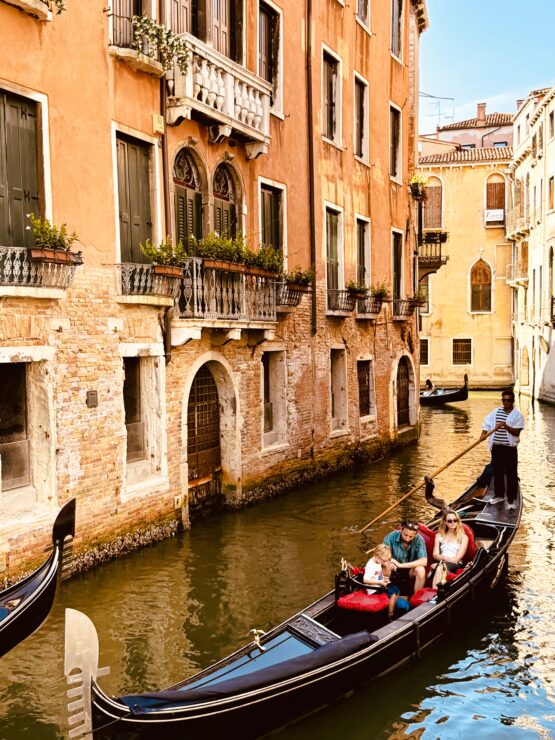
Venice is more than one of Italy’s most celebrated destinations. It is a living city, a UNESCO World Heritage Site, and home to generations of Venetians whose daily lives continue alongside the millions who visit each year.
Protecting a place like Venice isn’t about discouraging visitors. It’s about encouraging a different kind of visit, one that values curiosity over checklists, lingering over rushing, and genuine connection over collecting photographs.
That realization changed the way we experienced Venice.
We stopped worrying about seeing everything and started paying attention instead. We lingered over afternoon aperitivi in neighborhood cafés, wandered without a destination, and discovered that some of our favorite moments happened far from the city’s most photographed landmarks.
Rather than trying to conquer Venice, we allowed it to reveal itself at its own pace.
And that was when we found the Venice we had been searching for all along.
When Getting Lost Became the Plan
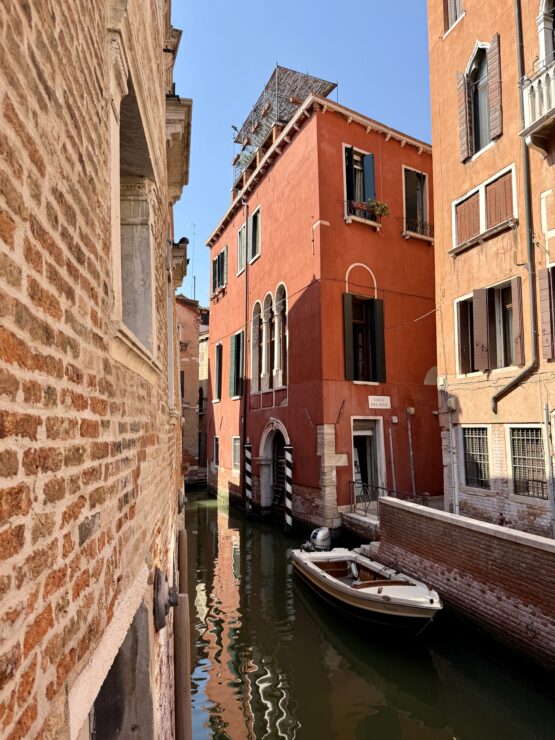
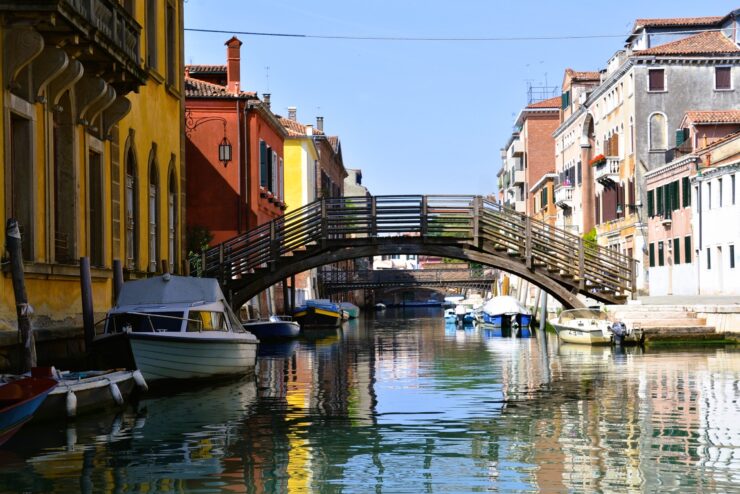
The canal was empty except for a single delivery boat and the sound of our footsteps on the stone bridge. We had no idea where we were, and for once in Venice, it didn’t matter.
On our first visit, like most travelers, we followed our maps closely, moving from landmark to landmark as we tried to understand the maze of canals and streets that seemed to fold back on themselves without warning.
Over time, we stopped trying so hard.
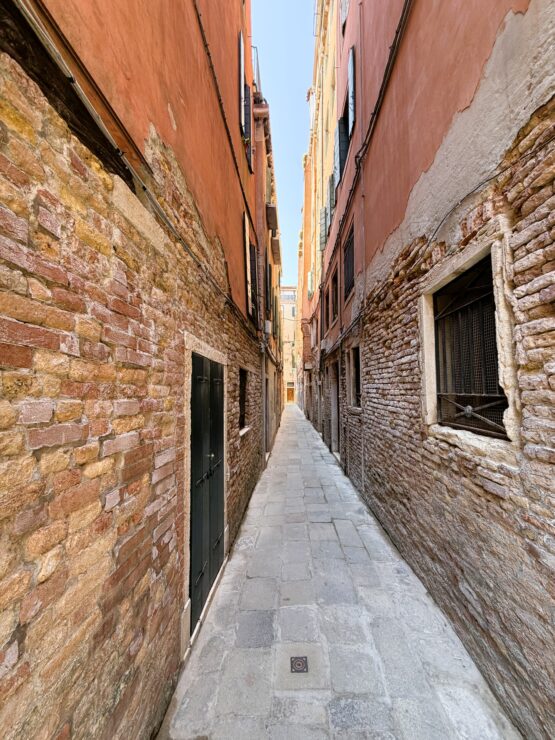
We crossed bridges without worrying where they led and followed narrow passages that looked inviting, feeding our curiosity.
That shift didn’t make Venice less confusing.
It made it more alive.
As evening approached, the crowds thinned, conversations softened, and Venice became a different city.
We discovered that we didn’t need to avoid getting lost.
It was part of the experience.
Beyond the Obvious
© Wanderers Compass
© Wanderers Compass
© Wanderers Compass
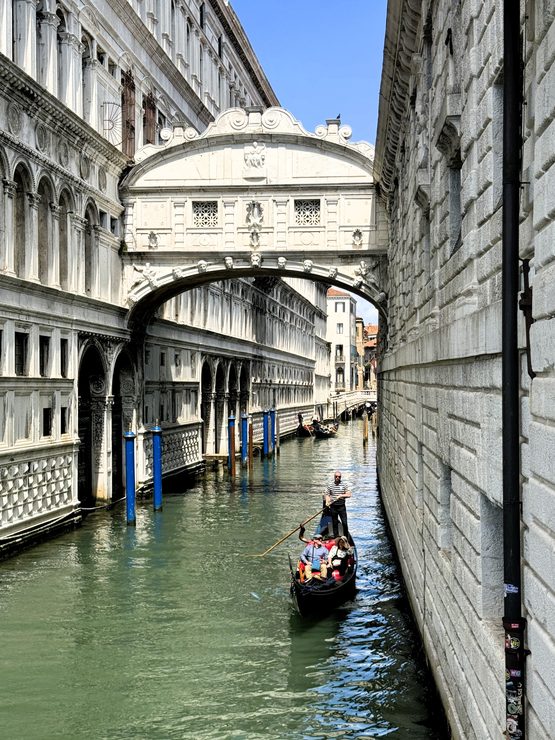
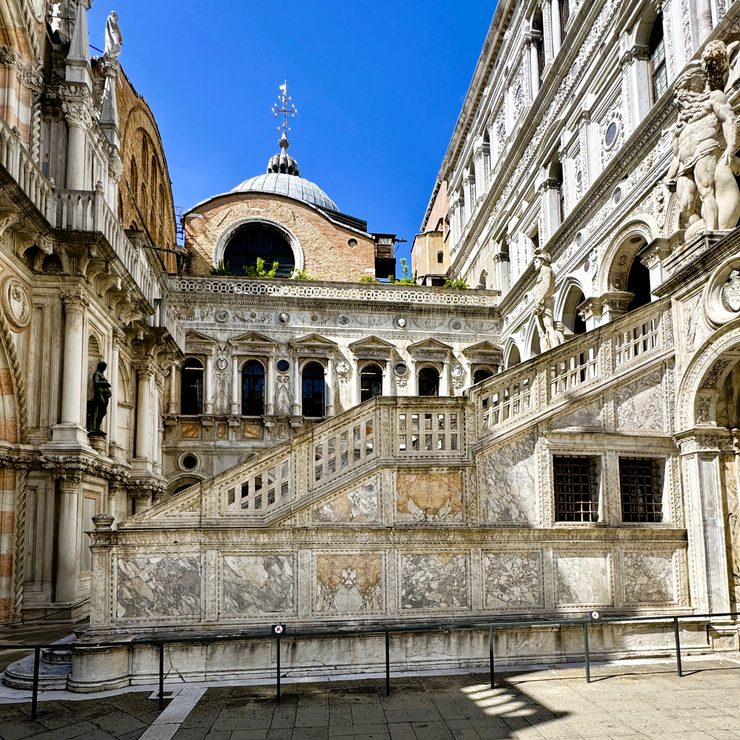
Most first-time visitors arrive in Venice with a familiar list: St. Mark’s Basilica, the Rialto Bridge, the Doge’s Palace, a gondola ride, and photographs to remember it all.
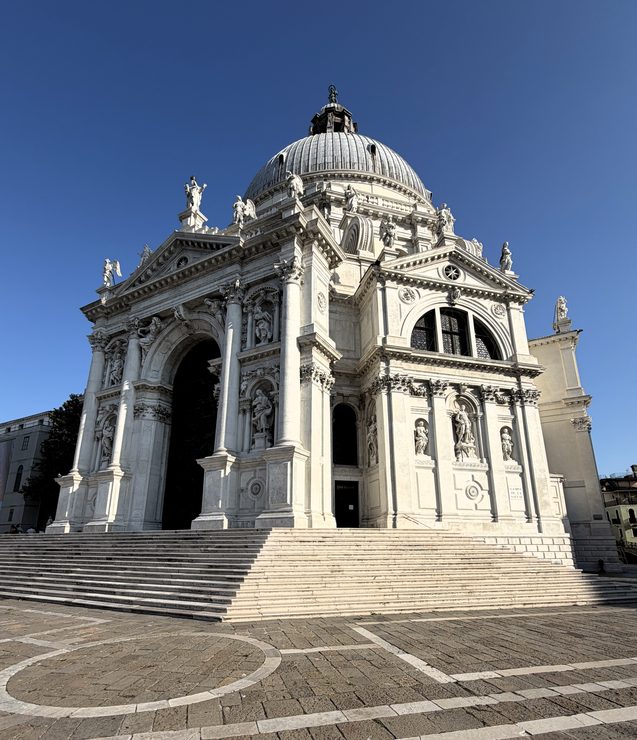
Those places deserve their reputation. Even after multiple visits, St. Mark’s Square still stops us in our tracks, and the view from the Rialto Bridge never loses its magic.
Yet Venice changes remarkably fast once you leave those familiar routes.
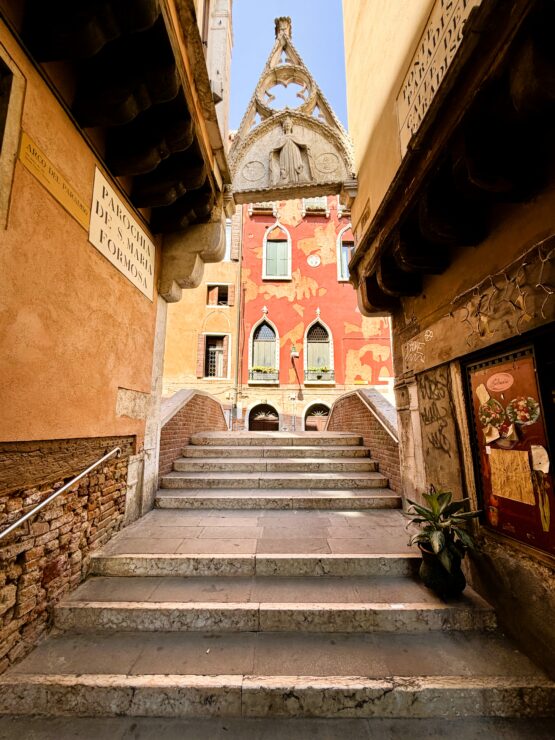
Just a few streets beyond the busiest corridors, the pace slows. Laundry stretches between weathered buildings, neighborhood cafés replace souvenir shops, and quiet campi appear almost unexpectedly.
One afternoon, we set out with nothing more ambitious than taking a walk.
We crossed bridge after bridge, photographing whatever caught our attention instead of searching for specific landmarks. Eventually, we reached one of Venice’s familiar surprises: a dead end at the water’s edge.
No bridge. No continuation.
Years earlier, we might have been frustrated.
Instead, we laughed.
We turned around, chose another direction, and a few minutes later wandered into a small campo where a handful of locals sat in the shade beside a neighborhood café.
Without discussing it, we took a table and ordered an Aperol spritz.
A delivery boat passed slowly through the nearby canal. Someone called across the square to greet a neighbor. A church bell marked the hour.
Nothing extraordinary happened.
Yet it became one of the afternoons we remember most.
Where You Stay Changes Venice
© Wanderers Compass
© Wanderers Compass
© Wanderers Compass
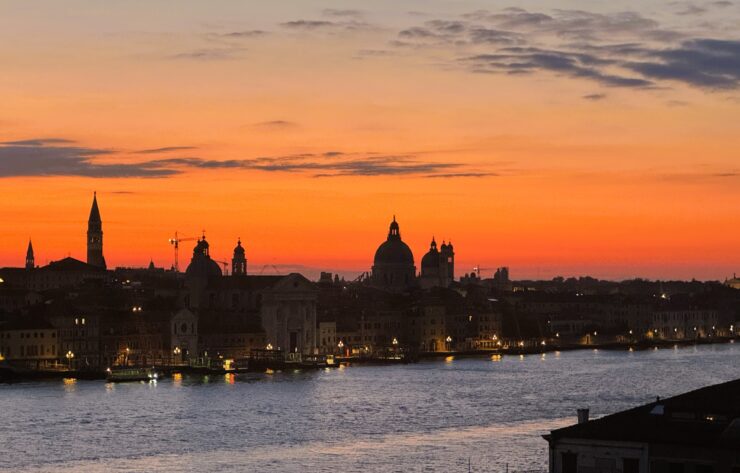
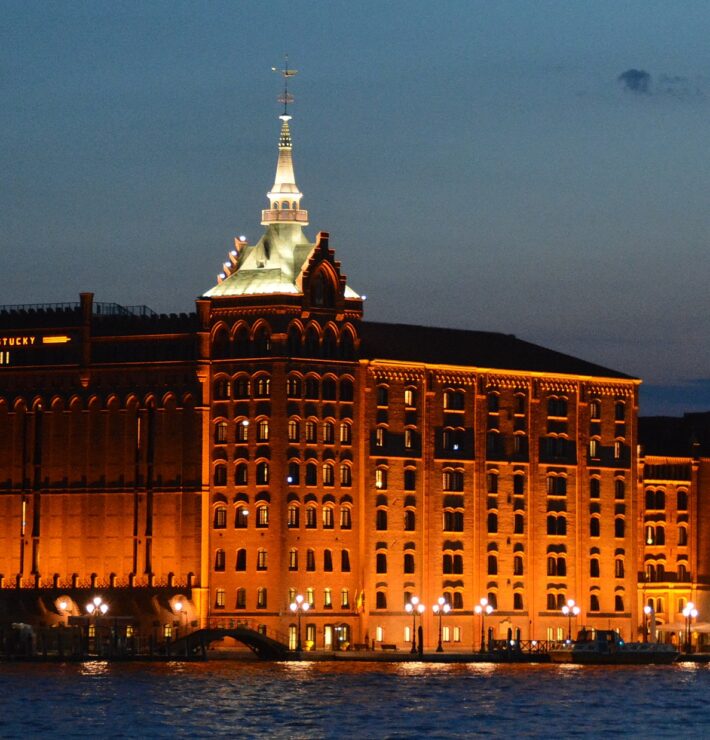
Our connection to Giudecca developed gradually through repeated visits, often while staying at the Hilton Molino Stucky Venice.
Arriving there changes your perspective immediately. Instead of stepping directly into Venice’s busiest parts, you begin across the water, looking back at the city rather than standing within it.
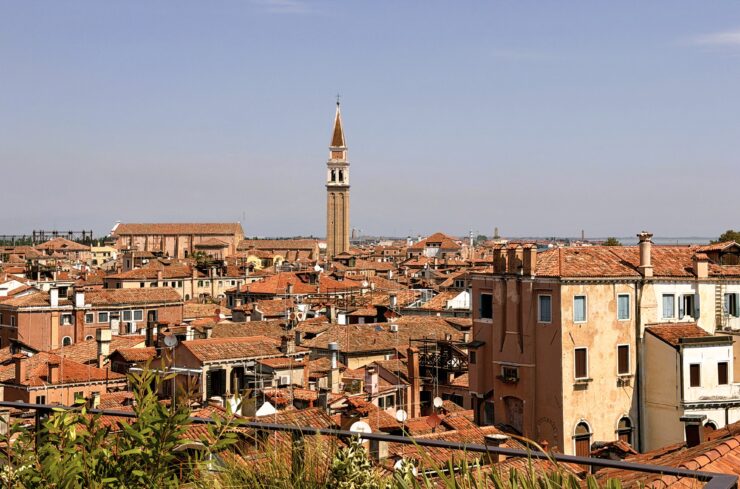
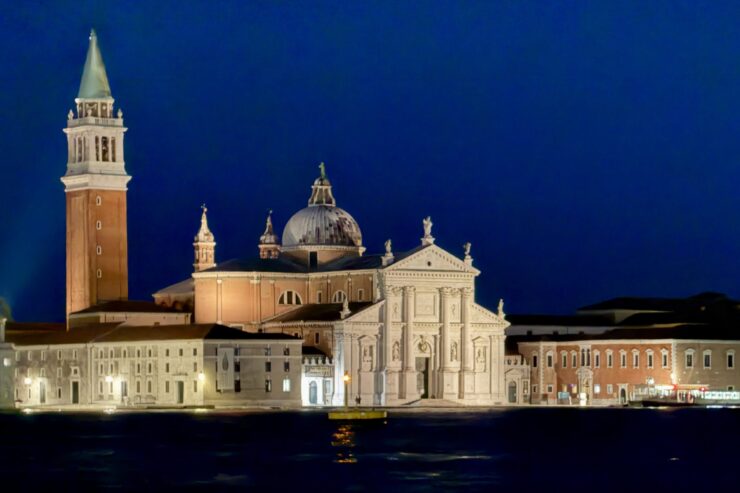
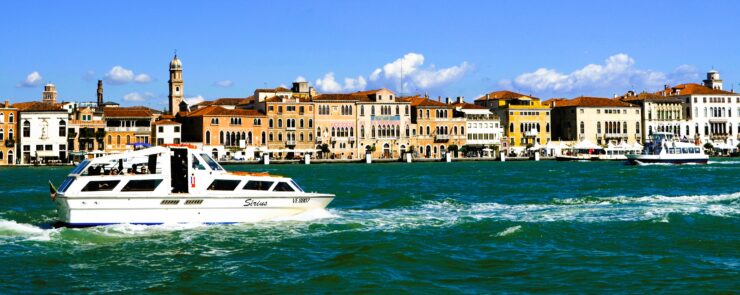
Giudecca moves at a gentler rhythm. The waterfront feels more open, the walkways quieter, and the view toward the historic center reveals Venice in layers: domes, bell towers, rooftops, and the lagoon that has always shaped the city’s identity.
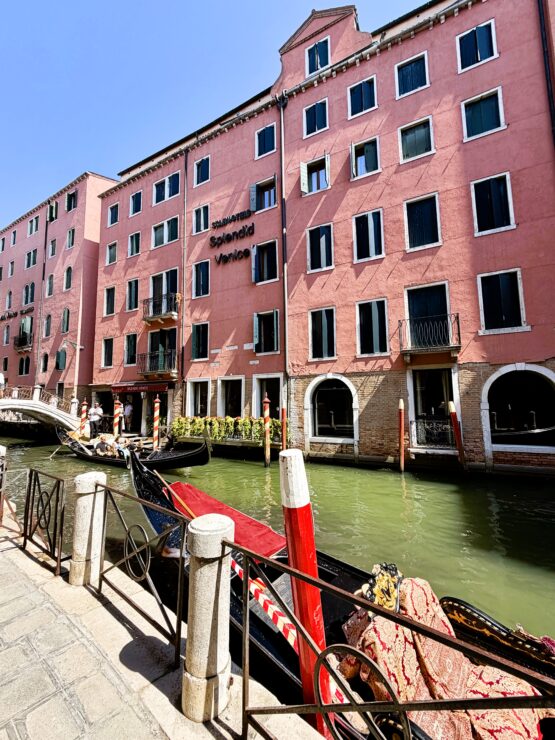
On our most recent visit, we decided to experience Venice differently and stayed at Splendid Venice – Starhotels Collezione in the historic center. Suddenly, Venice was immediately outside our door, with St. Mark’s Square and the Rialto area within easy reach.
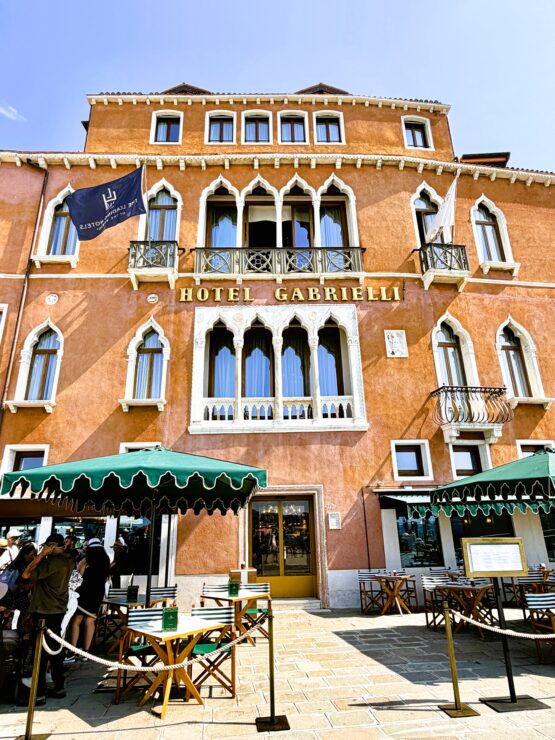
We also toured Hotel Gabrielli – Starhotels Collezione, a beautiful luxury property whose waterfront location offers yet another relationship with the lagoon.
The three properties reinforced something we have learned over repeated visits: where you stay can shape the Venice you experience.
Giudecca offers distance and a quieter rhythm. Staying in the historic center puts you immediately within the maze of canals and streets that makes Venice so fascinating. A waterfront location creates another connection to the lagoon.
There isn’t necessarily one perfect location.
There is the Venice you want to experience.
A City That Continues to Create
© Wanderers Compass

© Wanderers Compass
© Wanderers Compass
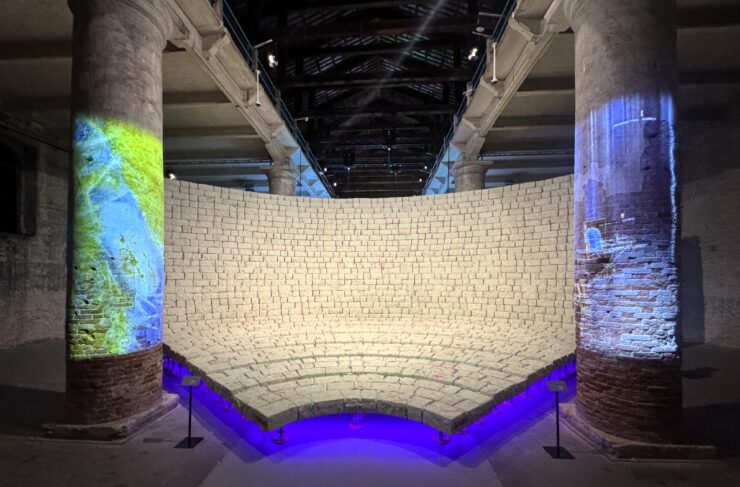
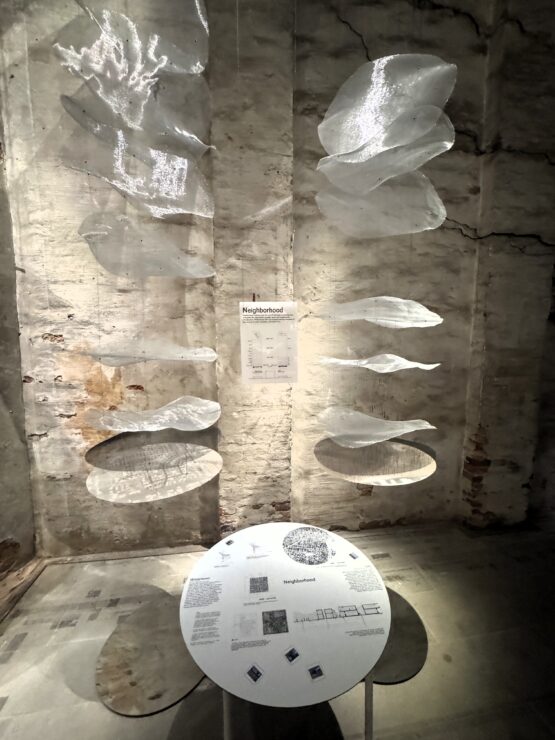
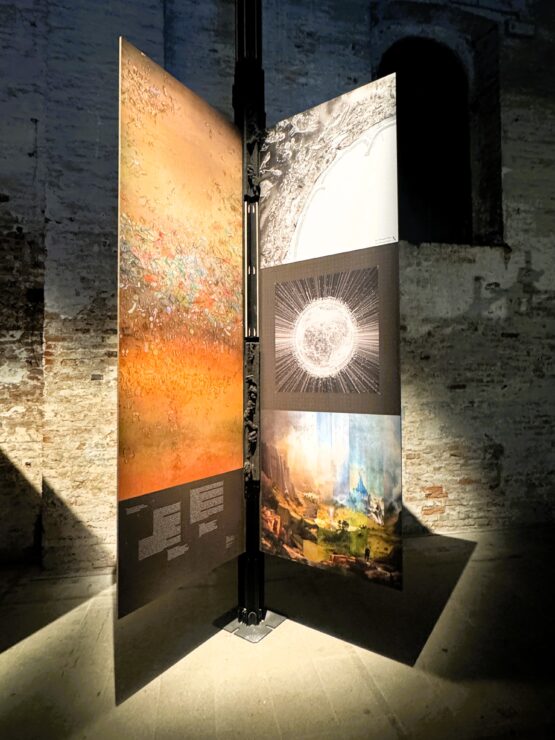
One visit brought another surprise when we happened to arrive during the Venice Biennale, one of the world’s most important international cultural events. Held every two years, its renowned contemporary art exhibition brings artists and visitors from around the globe to Venice.
We expected the city to feel more crowded than ever.
Instead, it felt energized.
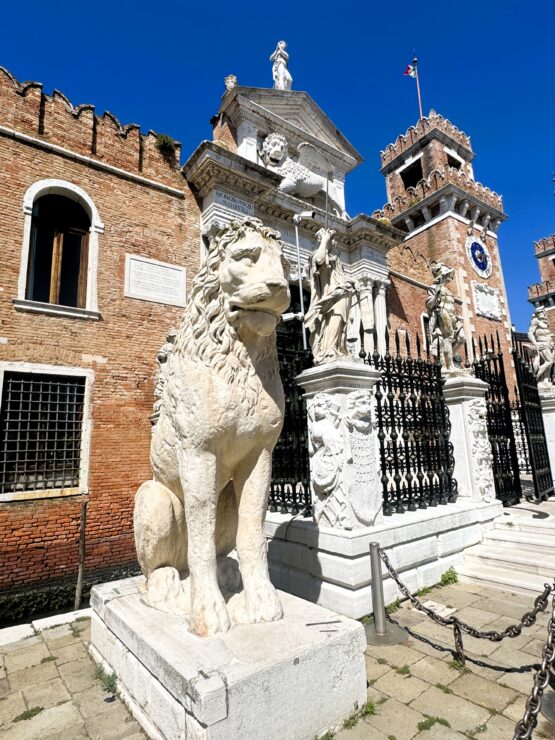
Exhibitions spread through historic palaces, churches, museums, public spaces, and the former Arsenale shipyards, encouraging visitors to venture beyond the most familiar landmarks.
What struck us was how naturally contemporary art fit within a city so closely associated with its past.
The Biennale reminded us that Venice isn’t frozen in history.
It remains a living city, continuing to evolve and create.
Savoring Venice
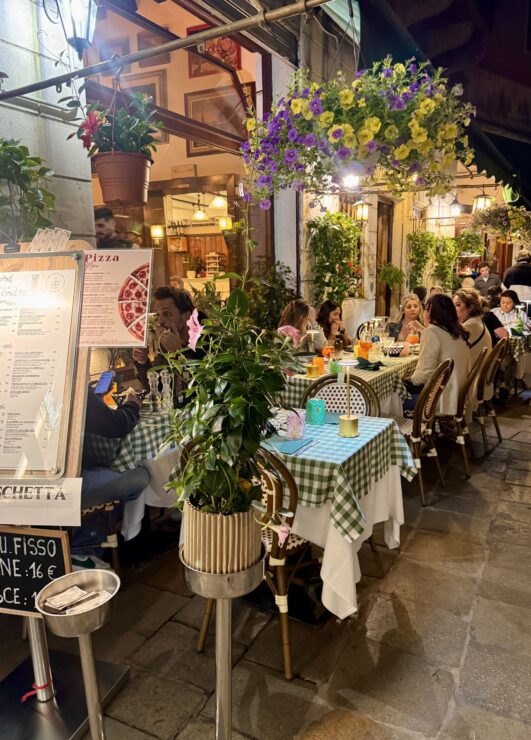
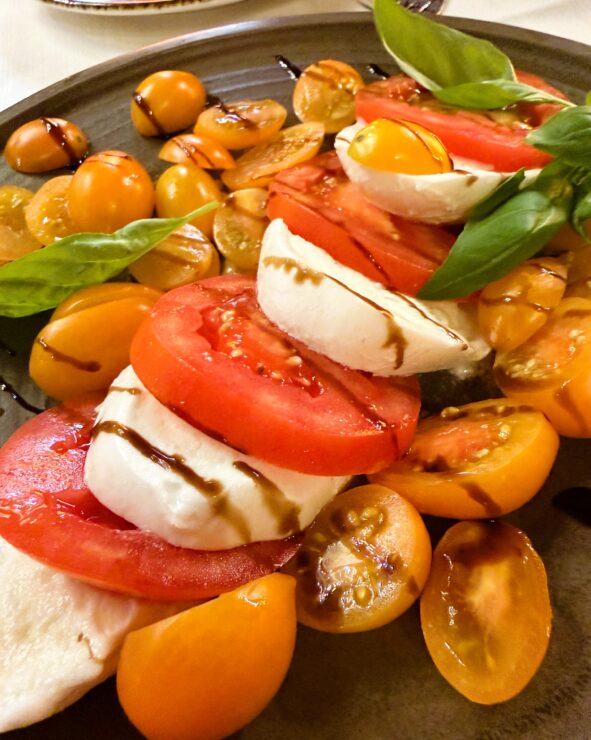
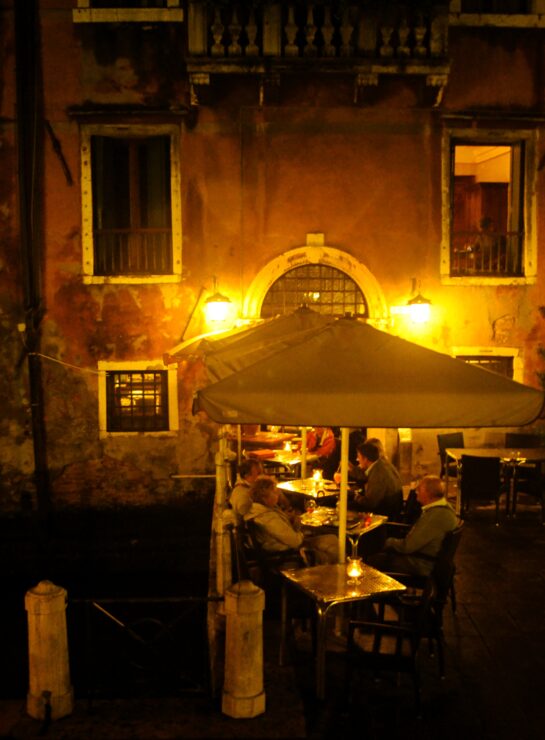
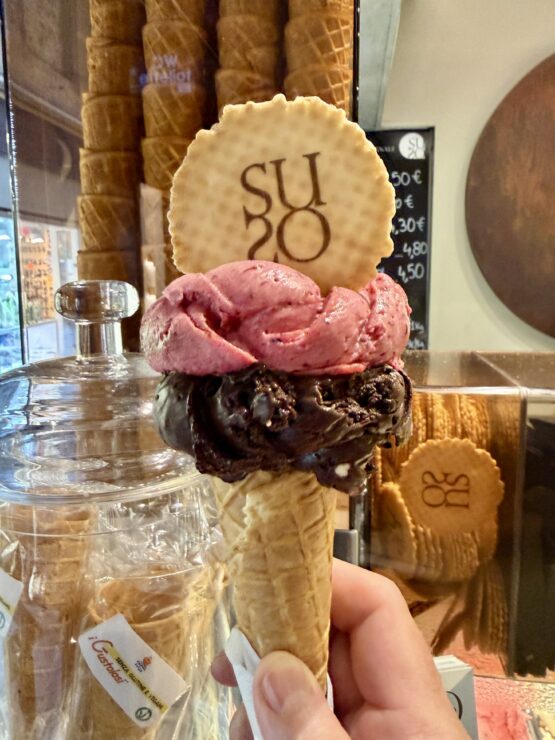
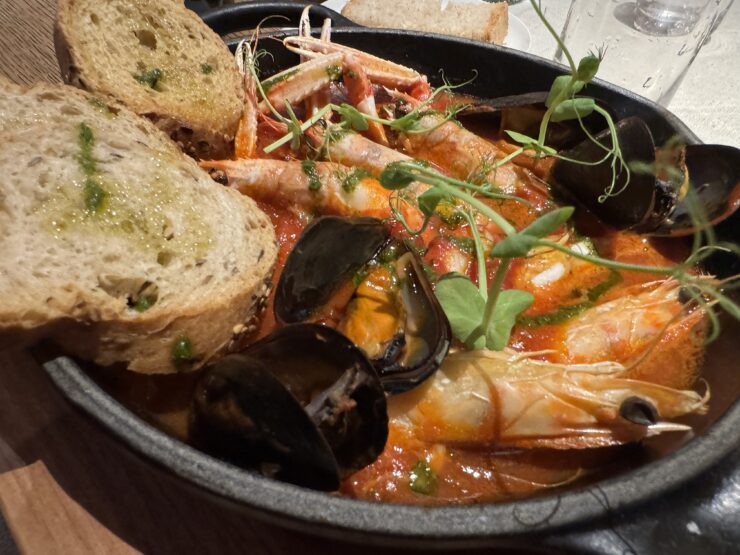
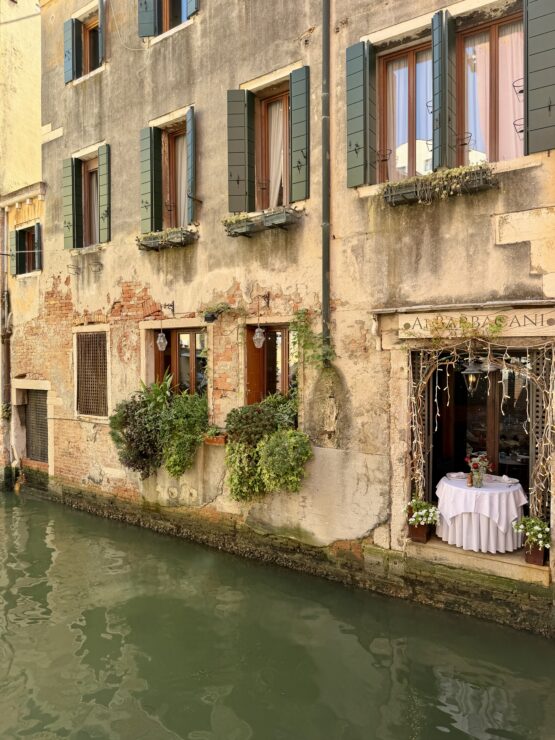
Like many travelers, we first came to Venice for its history and remarkable setting.
The food brings us back as well.
Venetian cuisine reflects the surrounding lagoon, with fresh seafood, seasonal ingredients, and recipes shaped by centuries of maritime trade.
Whether sharing cicchetti at a neighborhood bacaro or lingering over fresh seafood, some of our most memorable meals weren’t found along the busiest canals but in neighborhood osterie, where dinner unfolded at an unhurried pace and another course or a final glass of wine always seemed worth lingering over.
Venice’s icons fit in, too.
We’ve enjoyed Bellinis at Harry’s Bar, and during one afternoon at historic Caffè Florian, the music and atmosphere were so infectious that members of our group started dancing.
It wasn’t planned.
Those moments rarely are.
When Venice Finally Exhales
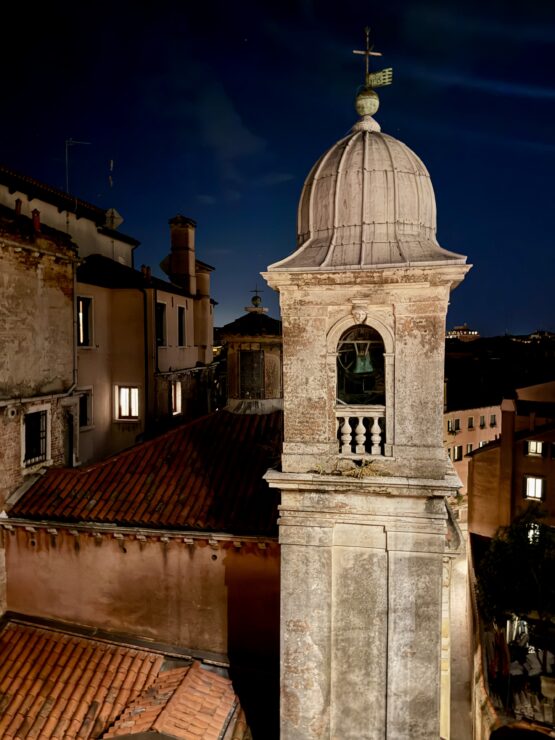
© Wanderers Compass
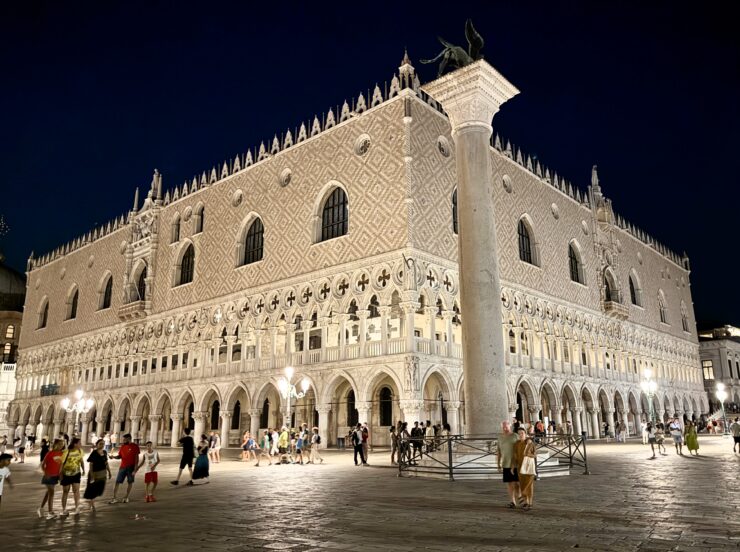
© Wanderers Compass
© Wanderers Compass
© Wanderers Compass
© Wanderers Compass
© Wanderers Compass
© Wanderers Compass
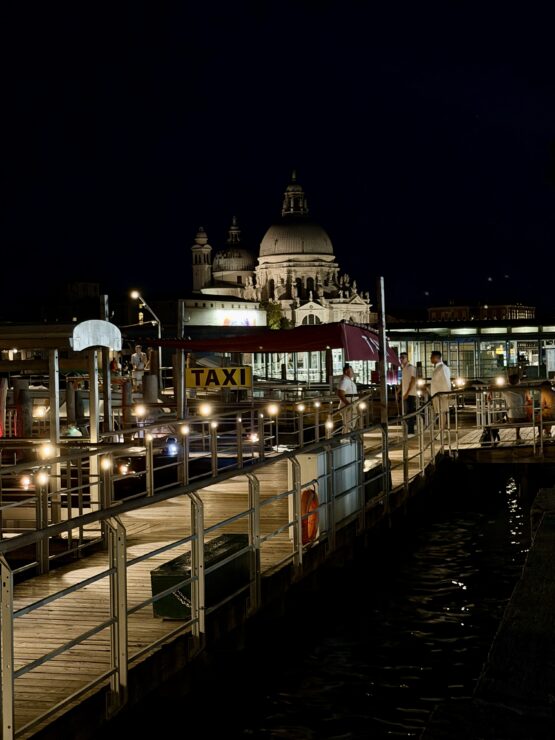
There is a moment in Venice we have come to anticipate.
It happens after dinner.
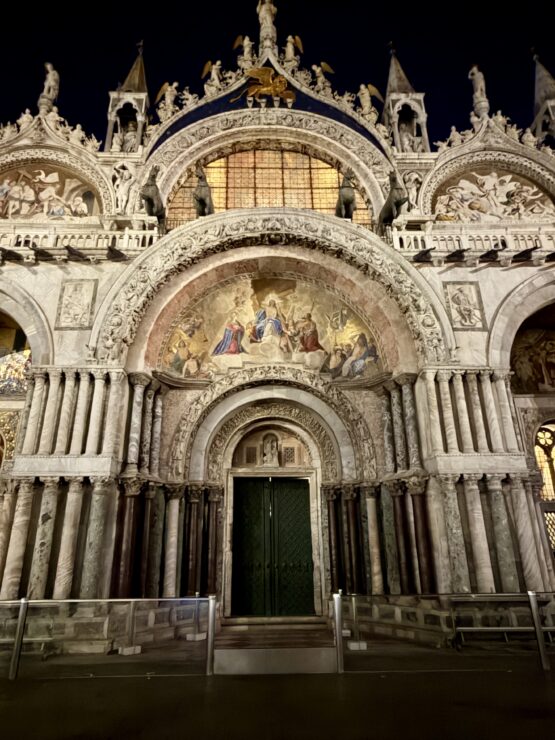
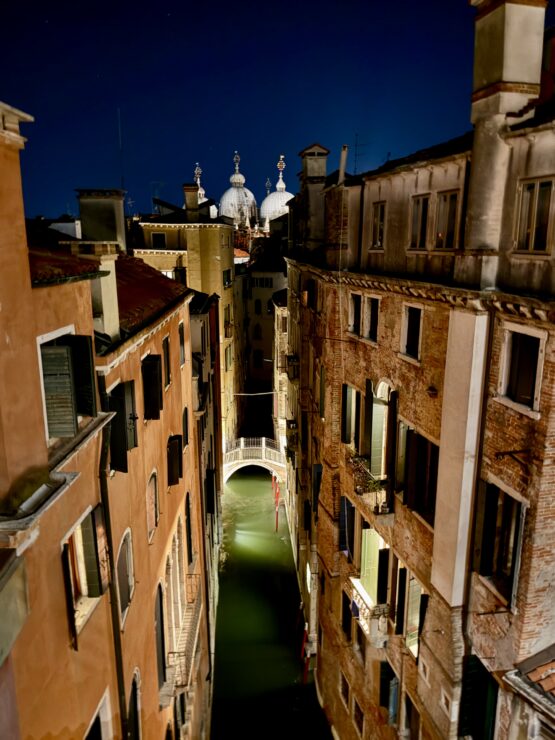
As evening settles across the lagoon, the rhythm changes. Day-trippers leave, conversations soften, and the sound of water becomes more noticeable than footsteps.
The city seems to take a deep breath.
Church bells echo across the canals, and the gentle slap of water against centuries-old stone becomes the evening’s soundtrack.
These are the hours we treasure most.
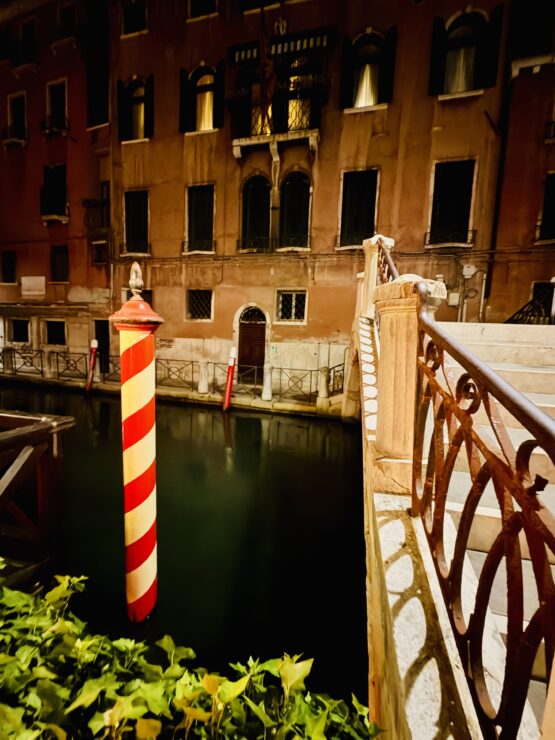
One evening, we spent nearly two hours crossing bridges and following canals to see where they would lead. Eventually, we reached a quiet stretch of water where no one else was in sight.
In one of the world’s most visited cities, the silence was almost startling.
If You Go
© Wanderers Compass
© Wanderers Compass
© Wanderers Compass
Getting There: We typically fly into Venice Marco Polo Airport. From there, travelers can reach Venice by water taxi, Alilaguna water bus, or land transportation to Piazzale Roma.
Getting Around: We believe the best way to experience Venice is on foot, supplemented by the vaporetti when traveling longer distances. We always wear comfortable shoes because exploring Venice inevitably means plenty of walking, bridges, and stairs.
Where to Stay: We stayed both in Venice’s historic center and on Giudecca, and each offers a very different experience. The historic center puts you close to major landmarks, restaurants, and the maze of streets and canals that make Venice so much fun to explore. Giudecca offers a quieter pace, more open waterfront views, and a little distance from the busiest areas while still providing easy access by vaporetto. For us, there is no single best place to stay; it depends on the Venice experience you want.
When to Visit: We have visited Venice at different times of year, including during the Biennale and, most recently, at the height of summer. This latest visit surprised us because even during peak season, we found remarkably quiet areas simply by walking beyond the busiest routes.
Our Best Advice: Stay overnight. Some of our favorite hours in Venice begin after dinner, when many day-trippers have departed, and the city settles into a completely different rhythm.
You might also enjoy reading
Where the Buffalo Roam: A Visit to Italy’s Premier Mozzarella Dairy
Message in a Bottle: Wine Stories from Italy
To read more from Joelle and Ryan, visit Wanderers Compass

