
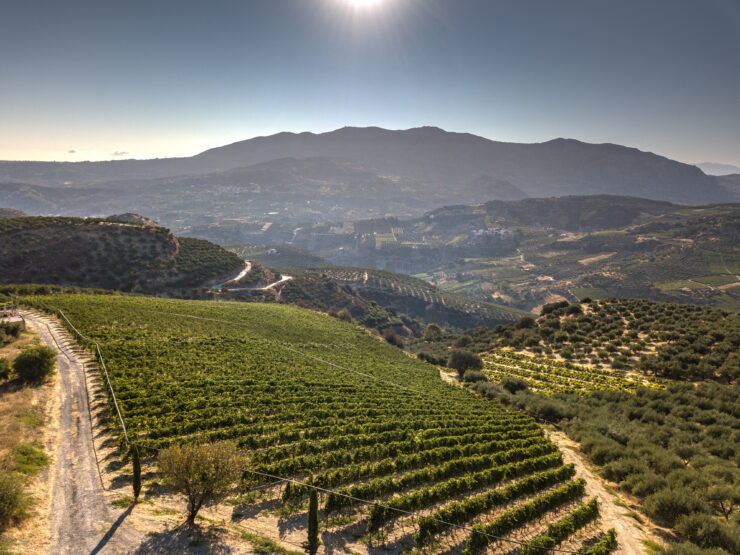
Beyond its ancient ruins, rugged mountains, and Mediterranean coastline, Crete is home to one of Europe’s oldest wine cultures. Vineyards have shaped the island’s landscape for thousands of years, yet many of its most distinctive grape varieties remain unfamiliar outside Greece.
For wine lovers willing to look beyond familiar favorites such as Chardonnay, Sauvignon Blanc, and Cabernet Sauvignon, Crete offers something different: native grape varieties that tell the story of the island itself. Among them, Vidiano and Liatiko have emerged as two of the most exciting examples, combining centuries of tradition with a growing international reputation.
To learn more, I recently spoke with Dimitris Douloufakis, a fourth-generation winemaker at Douloufakis Winery, a family estate founded in 1930. The winery is located in the village of Dafnes in central Crete. Rather than discussing individual wines, we explored the history, character, and future of Crete’s native grape varieties, and why they continue to shape the identity of Cretan wine.
Although Vidiano and Liatiko remain unfamiliar to many wine lovers outside Greece, they are becoming easier to find. According to Dimitris, Douloufakis Winery now exports wines made from both varieties to Europe, the United States, the United Kingdom, and Australia.
For travelers visiting Crete, tasting wines made from Vidiano and Liatiko is one of the best ways to experience the island’s wine culture. For those who can’t visit Crete, wines made from these two native varieties are becoming easier to find than you might expect.
Where Crete’s Wines Begin
Wine has been part of life in Crete for thousands of years. Local growers cultivated grapes well suited to the island’s diverse landscapes, warm Mediterranean climate, and generations of experience.
Unlike many wine regions that rely heavily on international varieties, Crete has preserved a remarkable collection of native grapes. These native varieties are closely connected to the island’s traditions, local cuisine, and strong sense of place.
That connection continues to shape Cretan winemaking today.
Vidiano: A Grape Worth Saving
Few stories illustrate this better than Vidiano.
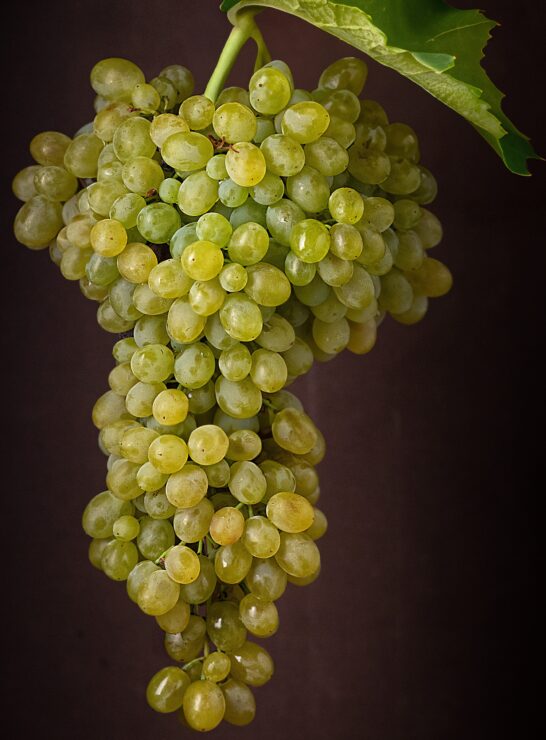
Today, Vidiano is considered one of Greece’s most exciting white grape varieties, but its future once looked uncertain. Dimitris explained that his father, Nikos Douloufakis, became fascinated by the variety around the year 2000, when it was close to disappearing. He searched old vineyards across Crete for surviving vines before gradually replanting the variety and studying its potential over many years.
That patience helped transform Vidiano into one of Crete’s signature white grapes and one of Greece’s most highly regarded native white varieties.
According to Dimitris, Vidiano is well suited to Crete’s warm climate. Rather than losing freshness during long periods of sunshine, it benefits from extended ripening, developing richness without becoming overly ripe or jammy. The wines retain freshness and balance while developing texture and a buttery character. The result is a distinctive white wine that’s rich and fresh.
For many wine lovers outside Greece, Vidiano remains an exciting discovery because it offers something genuinely different. Rather than resembling Chardonnay or Viognier, it has its own character while remaining deeply connected to the landscape where it has been grown for generations.
Liatiko: Elegance in a Warm Climate
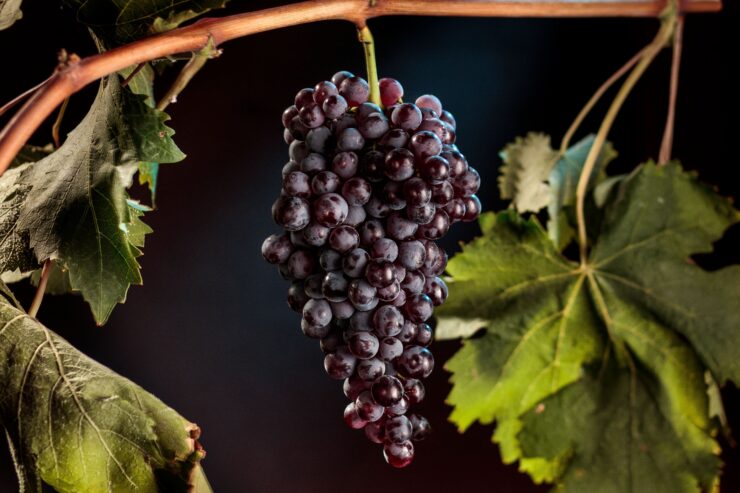
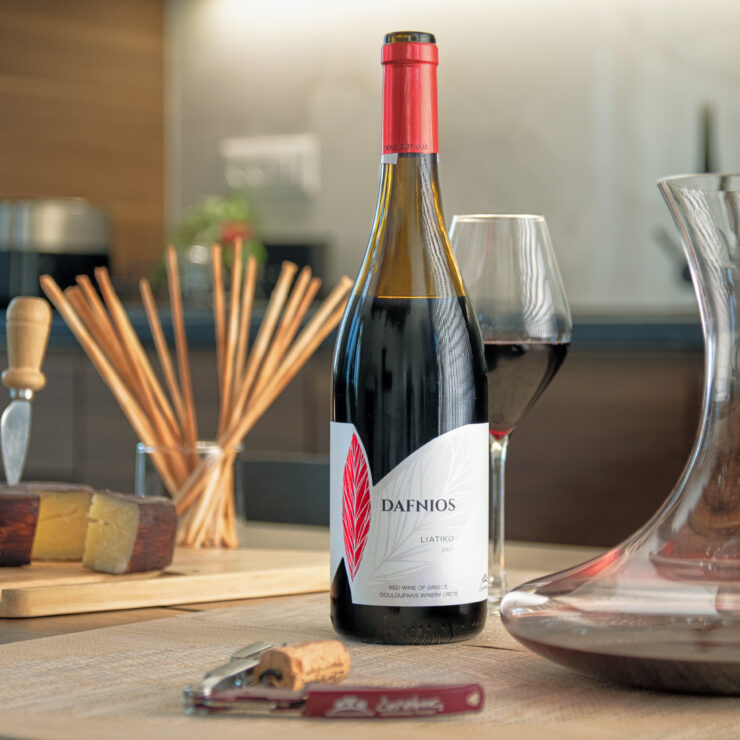
If Vidiano represents the revival of a white grape, Liatiko tells a different but equally fascinating story. The variety has long been associated with Crete. Nikos Douloufakis chose Liatiko for the winery’s first bottled wine, released in 1997.
Despite thriving in hot, dry conditions, Liatiko is an elegant grape capable of producing wines with finesse rather than excessive weight, Douloufakis says. That observation challenges the common assumption that warm-climate red wines must always be powerful or heavily concentrated. Instead, Liatiko shows that elegance and balance can flourish even under the Mediterranean sun.
For wine lovers looking to explore beyond familiar varieties, Liatiko offers a fresh perspective on Mediterranean red wine.
Why Native Grapes Matter
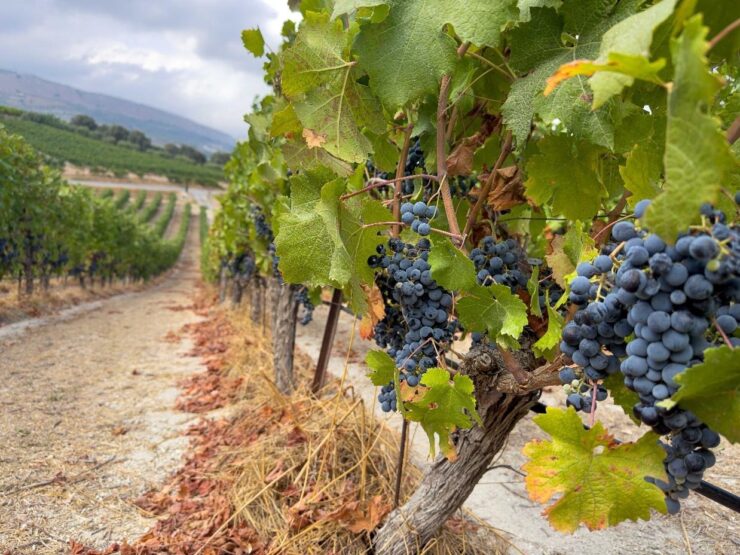
Around the world, many wine drinkers naturally look for familiar grape varieties. International varieties have undoubtedly helped introduce many people to wine, but they can also overshadow the remarkable diversity found in local vineyards.
Crete reminds us that wine is about far more than a handful of globally recognized grapes. Every native variety reflects generations of adaptation to local conditions and the people who have cared for the vines over centuries.
For Dimitris, building recognition for Crete’s native varieties in export markets is a gradual process.
“It is a slow process,” he said. “Our focus is to make quality wines from the local grape varieties and use any tools available to us to spread the word.”
Rather than chasing trends, Douloufakis Winery is focused on making the best possible wines from Crete’s native grape varieties. Dimitris believes that, over time, their quality will encourage more people to discover them.
The Landscape Behind the Wines
The landscape is just as important as the grape varieties in shaping Crete’s wines.
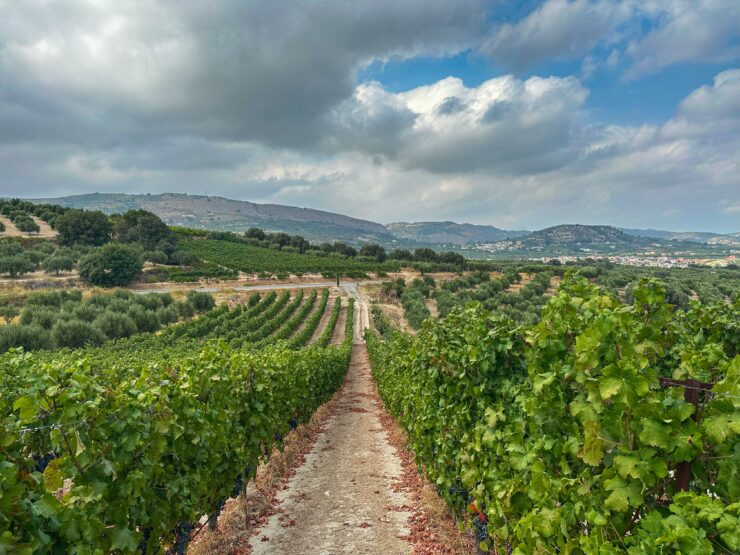
The island’s vineyards stretch across a wide range of elevations, where mountains, changing aspects, and Mediterranean influences create diverse growing conditions. At Douloufakis Winery, vineyards lie between 300 and 450 meters above sea level, with many north-east-facing sites helping to moderate the summer sun. Dimitris explained that vineyard aspect is often even more important than altitude in preserving freshness and balance.
Like many wine regions, Crete has seen less rainfall in recent years, making water availability an increasing challenge. Even so, careful vineyard management, local knowledge, and generations of experience continue to guide decisions in the vineyard. As Dimitris explained, growers still draw on lessons learned from previous droughts while combining traditional knowledge with modern scientific understanding.
For Dimitris, meeting today’s challenges means combining traditional knowledge with modern scientific understanding.
Final Sip
The world’s most rewarding wine discoveries are often found beyond the varieties we already know.
Crete’s native grapes are not competing to become the next Chardonnay or Cabernet Sauvignon. Their appeal lies in their individuality, shaped by generations of growers, local traditions and the landscapes of Crete.
Dimitris believes the future of Cretan wine lies in combining science with respect for tradition while remaining open to innovation and the wider world. That philosophy reflects not only his family’s approach but also the broader evolution of Crete’s wine industry.
For many wine lovers, Vidiano and Liatiko offer a different way to experience one of the Mediterranean’s oldest wine cultures.
Whether you discover Vidiano and Liatiko while traveling through Crete or come across a bottle closer to home, they offer something that can’t easily be found elsewhere: a genuine connection to their place of origin. They’re well worth seeking out.
If You Go
- Getting there: Crete is Greece’s largest island. Most international visitors fly into Heraklion, the island’s capital.
- Plan your trip: Official tourism information for Crete: Discover Crete
- Wine tourism: Explore Crete’s wineries and wine routes: Wines of Crete
You May Also Enjoy Reading
A Journey Through Wines of the Peloponnese in Greece
3 Wineries in Greece, Sicily, and Sardinia: Ancient Grapes and World-Class Wines
Read more from Fred on his blog: Bush & Barrel
