
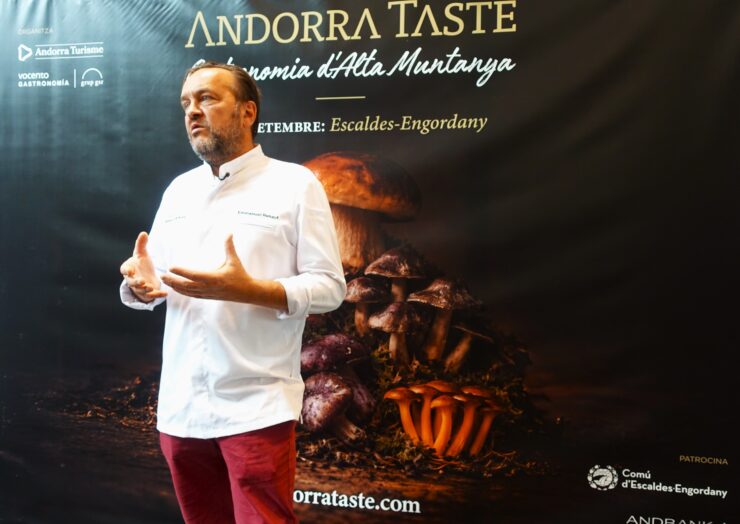
The best moment of my trip to Andorra wasn’t on a mountain trail or at a panoramic viewpoint. It happened around a table.
I arrived at Andorra Taste Professional Edition curious to learn about mountain gastronomy. What I didn’t expect was how moved I would be by the people behind it.
I felt privileged to be there, sitting among some of the world’s most respected chefs. Several moments came when I looked around and found myself simply in awe. These were chefs whose names are synonymous with excellence, people who have dedicated their lives to interpreting their landscapes through food.
Inside Andorra Taste, a celebration of food and wine, rooted in place and tradition
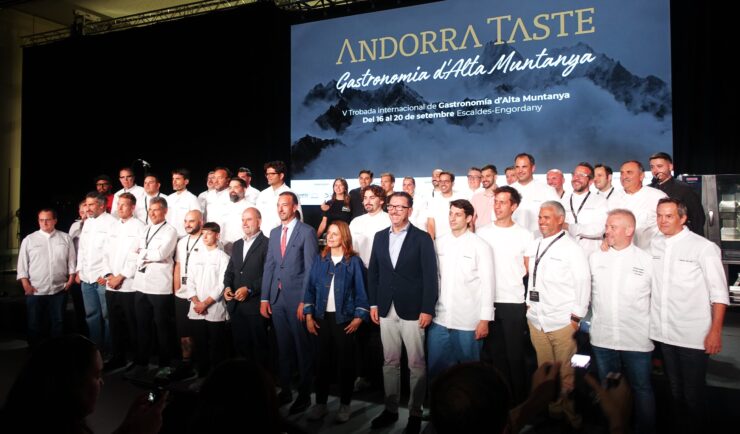
The professional edition of Andorra Taste gathered an extraordinary constellation of Michelin‑starred talent — chefs like Virgilio Martínez (Central restaurant, ranked No.1 on the World’s 50 Best Restaurants in 2023), Emmanuel Renaut (Flocons de sel, 3 Michelin stars), Paco Roncero (Paco Roncero, 2 Michelin stars), and several more. Each has been celebrated for interpreting their landscapes through food. From the Peruvian Andes to the French Alps and the Italian Dolomites, their presence underscored a shared belief that the most memorable destinations stay true to their territory.
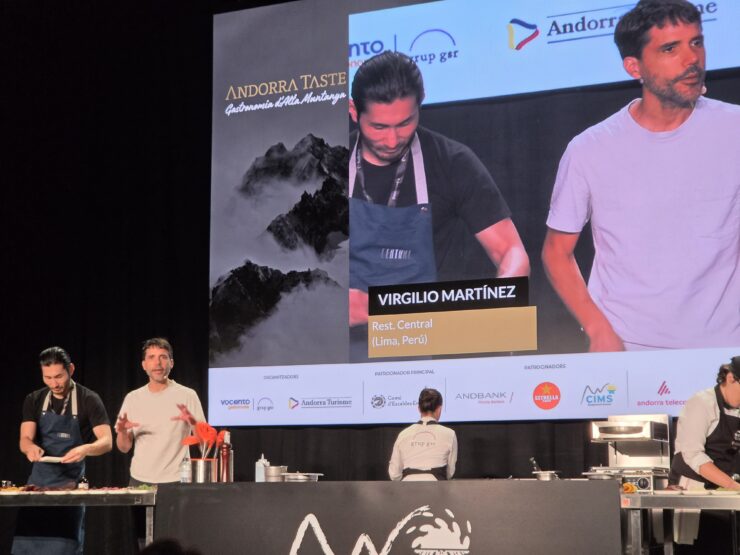
It was humbling to listen to them speak so openly about their craft, their communities, their connection, and, for some, the emotions tied to their views of the land. Each chef spoke about their mountains, valleys, forests, and farms with deep responsibility and affection. They all seemed to share the same belief: great food begins with understanding where you are and honoring what the land provides. I listened as they debated what makes a destination worth traveling for. The answers were surprisingly simple: authenticity, connection, culture, and a sense of place.
As conversations unfolded at Andorra Taste, it became clear that Andorra embodies all four. This small Pyrenean principality may be known for skiing, but its emerging identity as a culinary destination is every bit as compelling.
Where the Mountains Meet the Table
Throughout the conference, speakers emphasized that mountain cuisine is not a trend. It is an expression of place. In Andorra, that expression feels especially intimate.
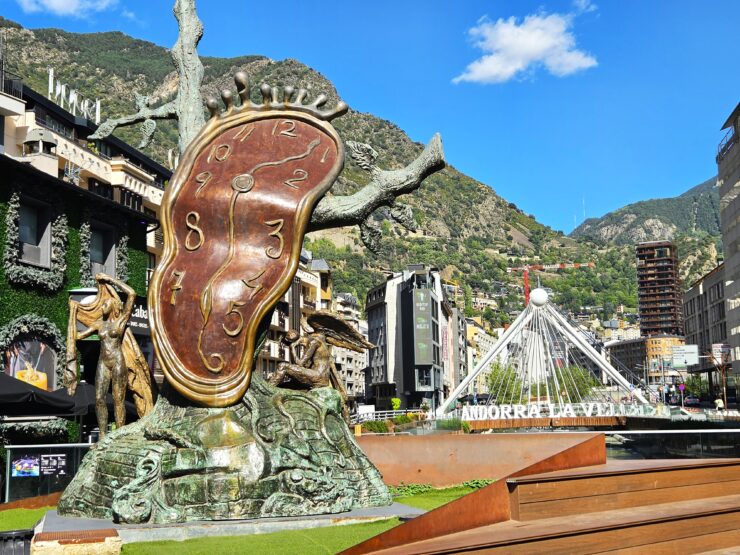
This small principality, nestled between France and Spain, spans just 181 square miles and is home to around 80,000 people whose lives are shaped by the surrounding peaks. As I explored its rugged terrain, I began to understand what they meant. The mountains are everywhere. They dominate the horizon, shape the villages, and influence the rhythm of daily life. More importantly, they shape what ends up on the table.
In Andorra, that connection feels effortless. Forests provide wild mushrooms, alpine pastures support local livestock, and generations of tradition have transformed simple regional ingredients into a defining part of the country’s identity. The chefs spoke about preserving heritage, supporting rural communities, and protecting landscapes. They argued that gastronomy is more than what we eat. It is about preserving a place’s culture, traditions, and identity.
As a traveler, that resonated. Some destinations impress you with iconic landmarks. Others stay with you because of how they make you feel.
Andorra Unfolds Naturally
Andorra belongs firmly in the second category. Its authenticity is increasingly rare. Nothing feels forced. The experience unfolds naturally, whether you’re wandering through a centuries-old village, chatting with locals, or lingering over a meal that tells the story of the surrounding landscape.
You experience that sense of place best in one of Andorra’s traditional bordas. Originally built as agricultural shelters, many have been transformed into restaurants while retaining their rustic charm – several of our lunches were hosted in these stunning places.
Thick stone walls, exposed wooden beams, and mountain views create an unmistakably Andorran atmosphere. Dining in a borda is more than a meal. It is an immersion into local history, culture, and hospitality.
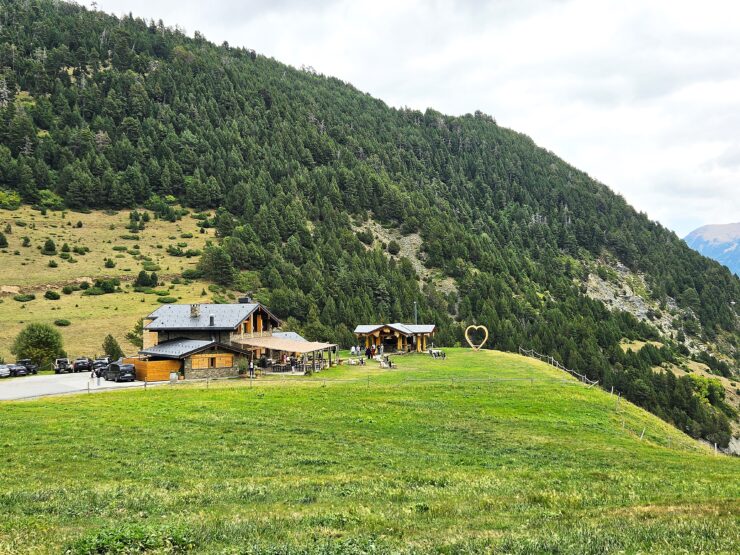
One afternoon, seated in a restored borda, I joined a luncheon for the chefs who had shaped the conference. The table overflowed with Andorran generosity: crisp chicken and ham croquettes, lamb stuffed with parsnips, earthy mushrooms and creamy borla cheese, followed by roast cannelloni — and this was only lunch!
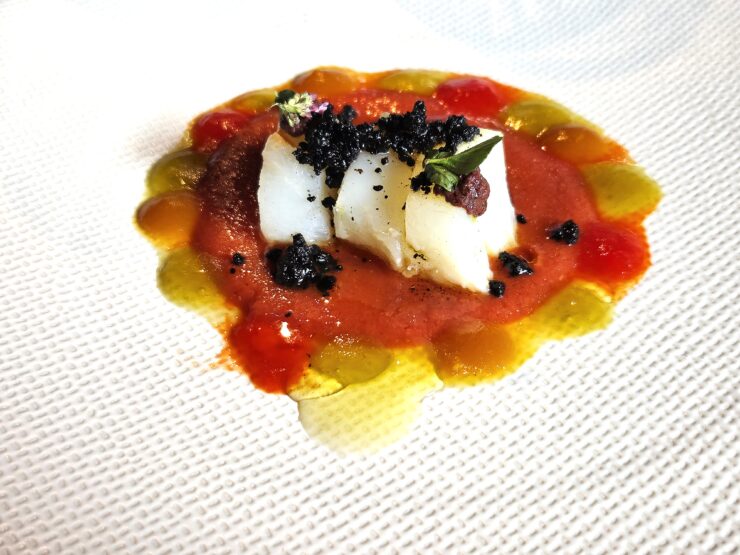
Each dish told a story of altitude and heritage, of ingredients coaxed from mountain soil and valleys. As I savored each bite, I found myself thinking back to the conversations I’d heard at the conference. The chefs had spoken about authenticity as the new luxury. I finally understood what they meant.
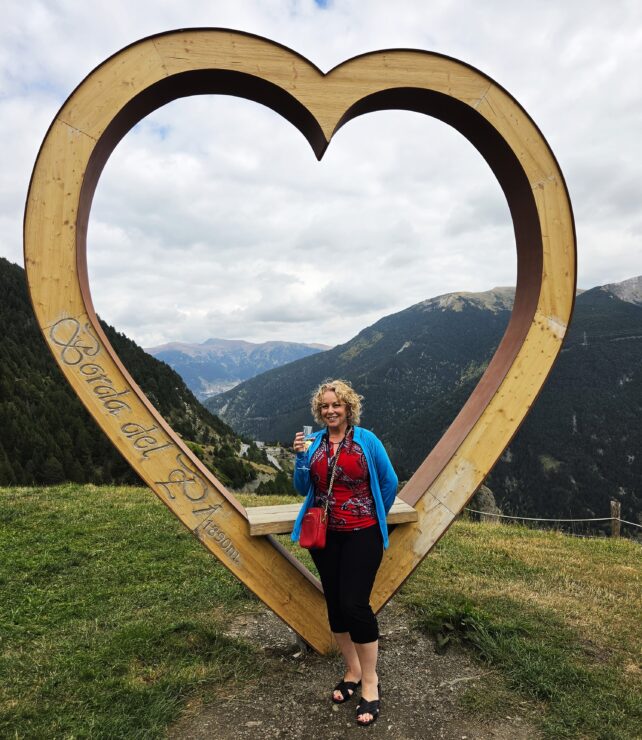
Beyond the Ski Season
For many travelers, this micro-country remains synonymous with winter sports, but one of the strongest messages emerging from Andorra Taste was the importance of year-round experiences. Mountain destinations are evolving, and Andorra is embracing a broader identity that extends well beyond the ski season.
In spring, wildflowers blanket the valleys, and fresh seasonal ingredients appear on menus – tender mountain asparagus, wild herbs like thyme and chervil, young lamb, and creamy local cheeses.
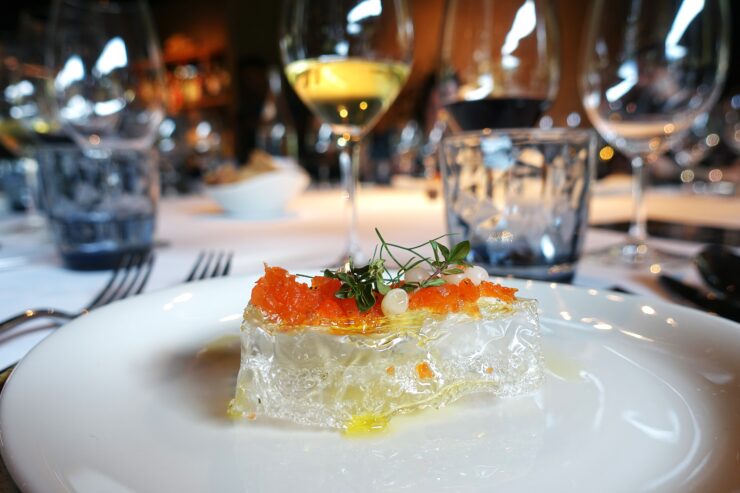
Another advantage is Andorra’s size. In larger destinations, meaningful experiences can require hours of travel between regions. Here, everything feels refreshingly accessible. In a single day, you can hike among dramatic peaks, explore historic villages, browse local shops, and sit down to an exceptional meal. The result is a slower, more immersive style of travel.
Rather than rushing to tick attractions off a list, visitors can savor their surroundings. To linger over lunch, take the scenic route, and appreciate not just where they are, but why it matters.
A Taste of Andorra
In addition to the professional edition of Andorra Taste, I also experienced Andorra Taste Popular, the 3-day open-air food fair, where food and wine lovers indulged in signature bites and sips from local restaurants and patisseries, and that’s exactly what I did. Think mountain noodles, Andorran beef bao buns stuffed with foie gras and porcini mushrooms, chicken ravioli with creamy morels and foie gras, snails in sauce and venison meatballs and parmentier.
Looking back at my time in Andorra, what stays with me most isn’t a particular dish or even a particular speaker. It’s the feeling of being welcomed into a conversation among people who care deeply about preserving the character of the places they call home. I left with a deeper understanding of how a place, its people, and its traditions become inseparable from what we eat.
And in Andorra, that connection is everywhere. Andorra is no longer just a destination for skiers, hikers, or food lovers. It’s a destination for travellers who want to feel connected to a place. And that’s a flavor worth traveling for.
If You Go
Flights: Travelers will need to land in either Toulouse or Barcelona, as Andorra has no airport.
Transportation: From Barcelona, it takes approximately three hours by car to reach Andorra. Once in the heart of the city, everything is pretty much walkable.
Food scene: Most restaurants are within walking distance of the city; for bordas in the mountains, I suggest renting a car.
Accommodations: I stayed at the Grand Plaza Hotel & Wellness Andorra.
Tourism Info: Visit Andorra
Many thanks to Visit Andorra and Andorra Taste for hosting me.
You May Also Enjoy Reading
Splendors of an East Asia Adventure: Hong Kong and Taiwan
Dining with Picasso and Chagall at Zurich’s Legendary Kronenhalle Restaurant
Learn Why Austria Is A Food Lover’s Playground
