
Choosing an Australian or American Chardonnay or Sauvignon Blanc is usually straightforward. Choosing a French wine can feel a little different. Most French wines are identified by their region rather than the grape variety. Unless you already know that Chablis is made from the Chardonnay grape or that most red Burgundies are made from Pinot Noir, choosing a bottle can feel more complicated than it needs to be.
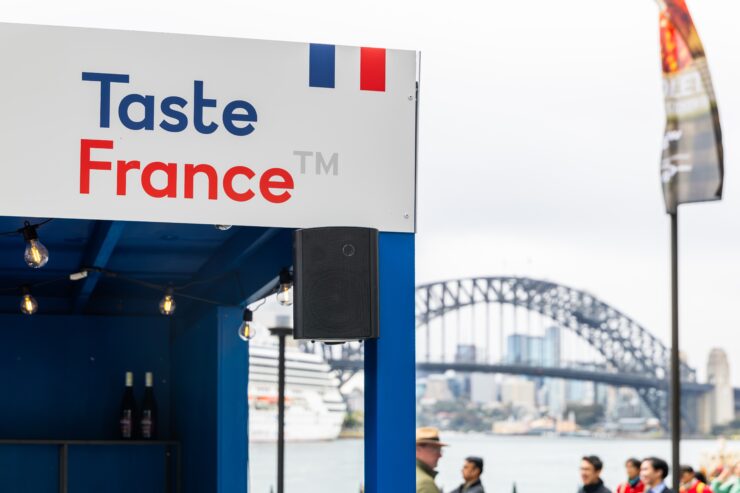
That was one of the topics I was keen to explore when I sat down with two representatives of Anivin de France, including Marketing Manager Nicolas Gorjux and President Marine Descombes, during the Bastille Festival in Sydney. Anivin de France is the wine trade organization dedicated to the 16-year-old Vin De France (VDF) designation.
As we talked, one message became clear. Vin De France isn’t intended to replace France’s famous appellations or regional wines. Instead, it gives producers greater freedom while making French wine easier for more people to discover.

© Fred Hadifar
A New Way to Explore French Wine
As Nicolas explained, France has three official wine categories.
The best-known is AOP (Appellation d’Origine Protégée), formerly known as AOC (Appellation d’Origine Contrôlée), which includes famous names such as Bordeaux, Champagne, Chablis, and Beaujolais. These wines come from defined regions and follow strict production rules.
The second is IGP (Indication Géographique Protégée), which also comes from recognized geographical areas but gives producers greater flexibility.
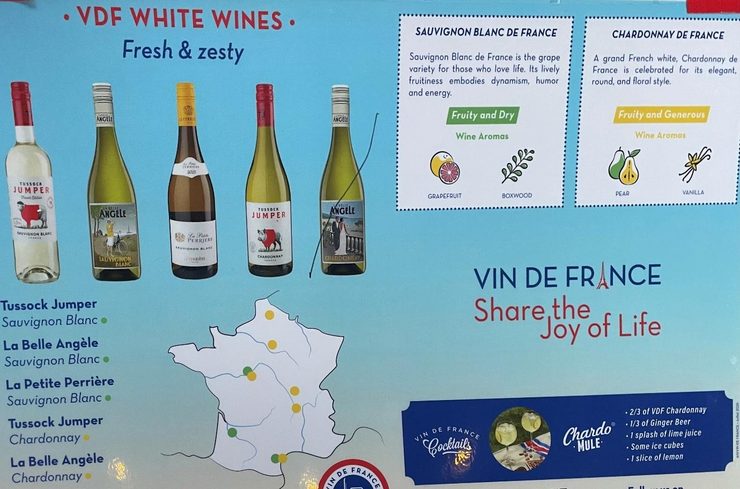
The third is Vin De France. Introduced with the 2010 vintage, it allows producers to source grapes from across France and clearly display the grape variety on the label.
That may sound like a small change, but for many wine drinkers it makes a big difference. Around the world, many people choose wine by grape variety. Unless you’re already familiar with France’s wine regions, it isn’t always obvious what’s in the bottle. Marine believes Vin De France removes much of that uncertainty, particularly for people discovering French wine for the first time. Nicolas agreed, saying that choosing a wine by grape variety offers a much simpler starting point before exploring France’s many appellations.
Freedom Beyond the Label
If clearer labels help consumers, the real story of Vin De France lies behind the bottle.
As Nicolas explained, making French wine easier to understand was one reason the category was created. But over time, producers discovered something just as valuable: freedom. Unlike wines tied to a single appellation, Vin De France allows producers to source grapes from different parts of France. Nicolas gave the example of blending Sauvignon Blanc from the Loire Valley with Sauvignon Blanc from Gascony, something not possible under traditional appellation rules.
That flexibility has become increasingly important as French vineyards face more unpredictable weather. Heatwaves, frost, and storms don’t affect every region equally, so if yields fall in one area, producers can source grapes elsewhere in France.
Marine was quick to point out that this doesn’t mean producers are turning away from France’s traditional appellations. Many wineries produce AOP, IGP, and Vin De France wines, with each category serving a different purpose in their portfolio.
Freedom Means Innovation
For Nicolas, freedom also means innovation. With fewer production restrictions, producers can experiment and respond to changing consumer tastes. That flexibility is encouraging everything from lighter wine styles to no- and low-alcohol wines, while also giving winemakers room to explore new ideas.
That makes Vin De France difficult to define by a single style or price. Some wines are made for everyday enjoyment, while others are premium expressions. What unites them is the freedom to create something different.
© Fred Hadifar
When Tradition Needs Time to Change
Vin De France’s flexibility doesn’t stop at the winery. It also extends into the vineyard. Marine explained that traditional appellation rules can sometimes slow how quickly growers adapt to changing conditions. Under established regulations, irrigation, alternative vine training systems, and other vineyard practices may take time to adopt.
Those rules have helped preserve France’s winemaking heritage, but climate change is creating new challenges. Marine believes irrigation and vineyard practices that provide greater shade may become increasingly important in some regions.
Vin De France gives producers greater freedom to trial these approaches without waiting for appellation regulations to evolve. As Nicolas sees it, the two systems are not in competition. Traditional appellations will continue to evolve, while Vin De France allows producers to respond more quickly when conditions demand it.
An Invitation into French Wine
For Nicolas and Marine, Vin De France can become the starting point for a much bigger journey into French wine. Marine used Chardonnay as an example. Someone might first discover a Vin De France Chardonnay, enjoy the producer’s style, and then become curious enough to explore that producer’s regional wines.
Nicolas sees that progression as one of the category’s greatest strengths. It gives people the confidence to take their first step before discovering France’s remarkable diversity.
© Loom Creative Studios / Anivin de France
French Wine Finds a New Audience
While tradition remains central to French wine, Nicolas and Marine also believe it’s important to connect with a new generation of wine drinkers. During their visit to Australia, they noticed growing interest in more adventurous styles, including skin-contact wines, made by fermenting white grapes with their skins.
Nicolas explained that Vin De France’s flexibility lets producers respond to changing tastes while exploring new styles.
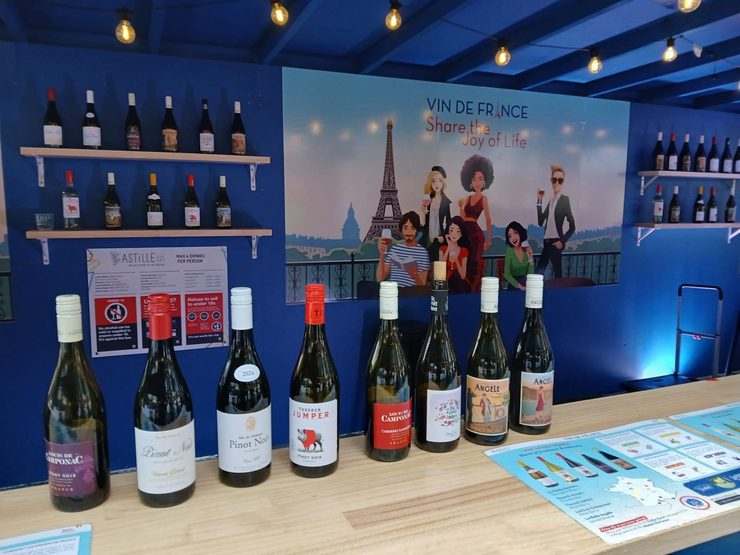
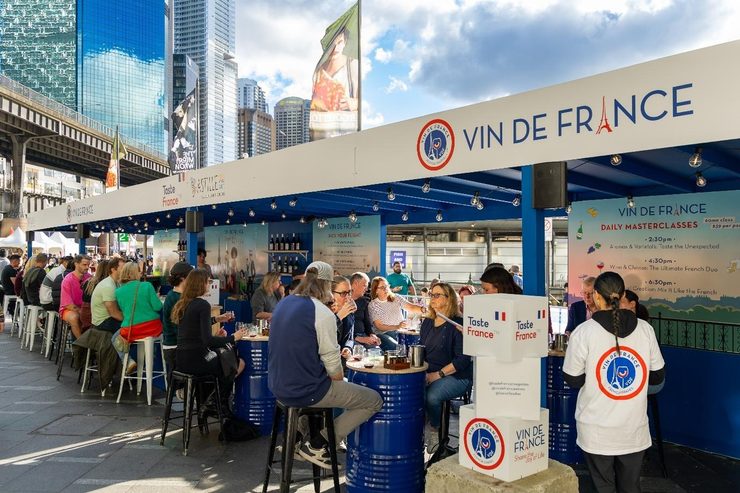
That same spirit extends beyond the bottle. Marine described how Vin De France has embraced festivals, tastings, and even wine cocktails to introduce younger consumers to French wine in a relaxed setting. Developed with professional mixologists, these cocktails have featured at events such as the We Love Green festival in Paris and, more recently, at the Bastille Festival in Sydney.
The aim is to offer another way for people to discover French wine. Nicolas also sees restaurants and sommeliers playing an important role, with Vin De France becoming increasingly visible on wine lists in France and gaining recognition in international markets.
© Loom Creative Studios / Anivin de France
Finding Vin De France
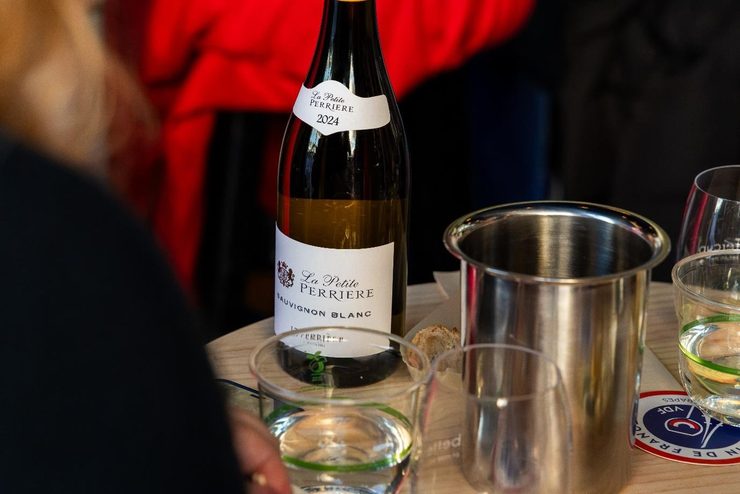
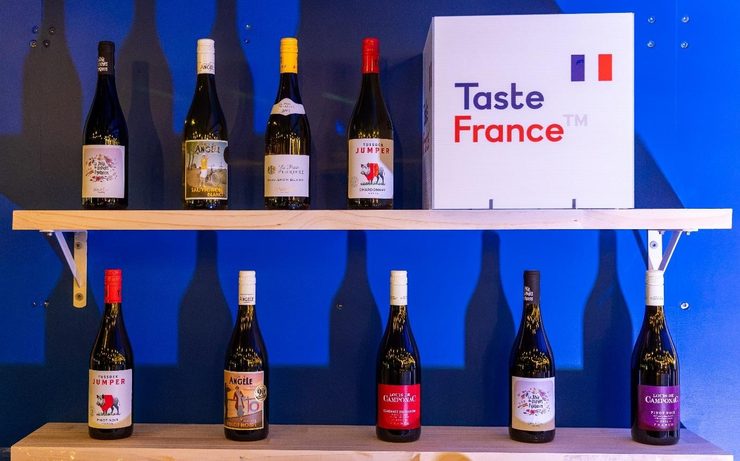
One of the biggest challenges, according to Marine, is simply helping consumers recognize the category. Many people have probably seen Vin De France wines without realizing it. While some bottles display “Vin De France” prominently on the front label, others put it on the back, making the category easy to overlook. While grape varieties are often clearly displayed on Vin De France wines, seeing a grape variety on a French wine label does not necessarily mean it is Vin De France.
To build awareness, ANIVIN promotes Vin De France through wine competitions, media, and industry events. Its annual international competition brings together buyers from around the world to discover wines across a wide range of styles. The good news, Nicolas explained, is that Vin De France is already widely available. Whether you’re traveling through France or shopping closer to home, you’ll find it in restaurants, independent wine merchants, and many major retailers.
Marine was also keen to challenge one common misconception. Vin De France isn’t defined by price. It includes everything from approachable everyday wines to premium and super-premium bottles, offering plenty to discover for anyone willing to look beyond familiar labels.
© Loom Creative Studios / Anivin de France
French Wine Without the Intimidation
As our conversation came to an end, Nicolas returned to a point he clearly felt passionate about. French wine has earned its reputation through centuries of history, tradition, and quality. Yet for many people, especially those unfamiliar with France’s wine regions, it can also seem intimidating.
As Nicolas put it, “Wine should first and foremost be about pleasure and sharing good moments with others.”
That philosophy sits at the heart of Vin De France. It offers a more approachable way to begin exploring French wine. Whether that journey starts with a Chardonnay, a Pinot Noir, or an orange wine, the invitation is the same: discover French wine and enjoy the experience.
If You Explore Vin De France
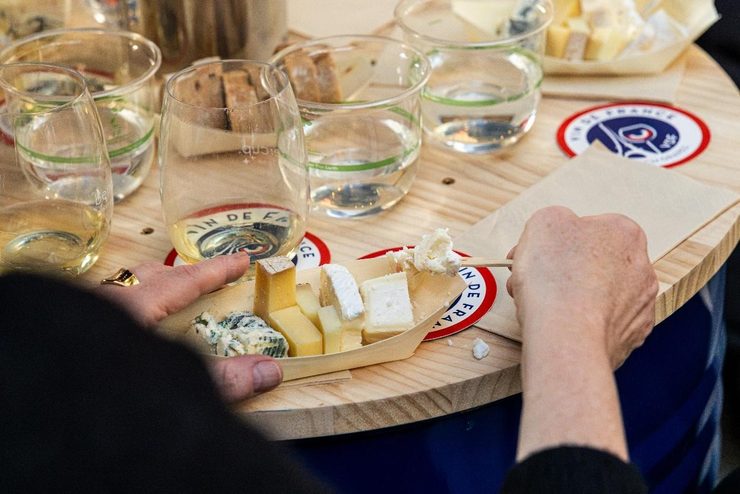
Where to Find It: Look for these wines in wine shops, restaurants, and wine bars. You can also explore them at the We Love Green festival in Paris, Bastille Festival in Sydney, and the Jazz Age Lawn Party in New York.
Know the Label: Look for the words “Vin De France” on the bottle. You may also see the designation abbreviated as VDF. The grape variety and vintage may also appear on the label.
Learn More: The official Vin De France website provides more information about the designation, producers, and wines.
You May Also Enjoy Reading
The Judgment of the Shenandoah Valley
Mas Olivier Winery: Authenticity Amidst Mass-Produced Traditions
Read more from Fred Hadifar on his blog: Bush & Barrel
