

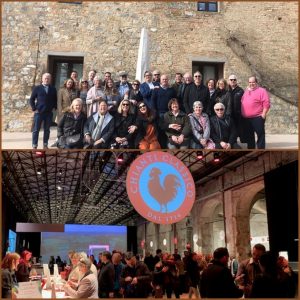
Just three weeks ago, I was savoring the waning hours of a fabulous wine experience in Tuscany when coronavirus (now COVID-19) hit northern Italy. Things changed in the snap of a breaking-news report. Even though our group was more than 300 miles from the closest outbreak, new friends and fellow wine-lovers from around the globe scrambled to find masks and hand sanitizer in Cortona, especially those whose flights would be departing from Milan.
At the end of the recommended 20-day incubation period, we are fine. Physically, that is; there are no signs of COVID-19 among the handful of people—from the US, Australia, and UK as well as Cortona—I checked on. But the magnitude of shifts in daily life are enormous and all very close to home.
Right here in Cincinnati, Ohio
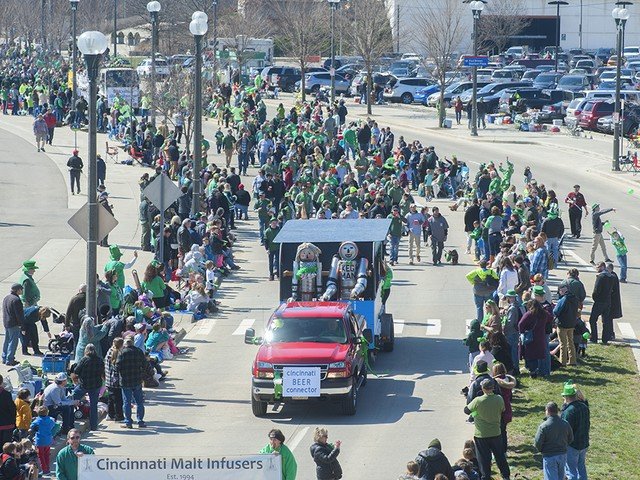
Today (March 17) was supposed to be a lively one. In Cincinnati, we take our St. Patrick’s Day parade and green beer very seriously. Instead, the streets and bars are silent. In a dateline fluke, today was also supposed to be the presidential primary in Ohio. All polling locations closed.
Ohio’s Governor Mike DeWine is being widely applauded for his early adoption of public safety rules, last week requiring cancellation of any gathering of 100+ people. (Yes, that included weddings.) We had to cancel the 30th anniversary Cincinnati International Wine Festival with only two days’ notice. The Festival benefits 35 nonprofit organizations that may not see any donations this year. Expenses from the cancellation, not insurable, put the Festival at serious risk as a going concern.
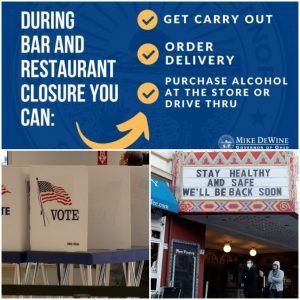
Last weekend the governor declared a public health emergency and required bans on public gatherings of any sort. First it was schools, then restaurants and bars. Next came movie theaters, shopping malls, fitness centers, bowling alleys—basically a complete shutdown. Yesterday, the governor decided to ignore a court ruling and closed election polls, postponing the election until June 2. Ohio was one of four states running elections today, the only one to close polls. The governors of Indiana and Kentucky have followed suit, which impacts Cincinnati due to our location at the nexus of the tri-state region. Even the sacred schedule for the Kentucky Derby, always the first Saturday in May, has been postponed until September 5.
Travel Trauma
I am an intrepid traveler, for business and pleasure, and I am a travel and wine writer. It has been challenging to keep a cheery disposition when all plans fall apart.
I have already canceled two trips, both domestic: one today because of a travel companion’s respiratory issues, the other for April because an international organization’s regional meeting was canceled. I haven’t yet canceled a wine-related trip on April 3, but it looks like that may not be possible either. Then there’s the mid-June trip I have planned to return to Italy, sharing my favorite country with two friends. I am keeping all twenty digits crossed in hopes that travel to Europe can re-open.
To put my own travel woes in context, I have a friend who has canceled eight trips between now and June 15, including a dream vacation to Ireland. No matter how bad things seem, I’m confident you know someone whose situation is worse than yours!
Impact on Friends and Family
This “soft” quarantine is tough on an extrovert like me, but I am making the best of it, using the unplanned downtime to do things like write this article, beat a deadline for an article on Cortona for Food, Wine, Travel Magazine, shrink the size of a pile of books, cook favorite dishes, and finish a needlepoint project while binging on Netflix.
The circumstances of five members of my immediate family tell a story that perhaps encapsulates the range of situations happening to families around the country.
My 90-year-old mother is preparing to move to a right-sized independent apartment after recovering from knee replacement surgery. My turn in the family queue of care and packing started six days after I returned from Italy. We jointly agreed to proceed with that plan, knowing that we would keep “social distance” even before the term became part of daily news. She’s well stocked with meals, so won’t be affected by Indiana restaurant closings.
My sister-in-law works as an administrator in an urgent care setting. Masks and hand washing are key to keeping her safe. None of us can believe the horrible stories about people who snapped up and resold these critical items. Kudos to Amazon and eBay for shutting that down!
I have three nieces, each in a different situation. One niece has two children, ages 14 and 5, who cannot go to school at least through the end of March. Many states are contemplating closing schools for the remainder of the year. Can you say family stress? Another niece lives in Seattle, the American epicenter of COVID-19. Fortunately, she has a job that permits remote work. Now an occasional work-from-home day will be every day for the foreseeable future. My third niece is about to finish graduate studies at Indiana University. First, a class study trip to Washington D.C. was cancelled. Then spring break was extended until March 29. Just two days ago, the university announced that all spring semester classes would be conducted online. It’s a sad, but necessary, way to end a college experience.
And then there were six. As I write, my brother (father of two nieces) texted to say that all employees of his company who can work from home should do so starting today.
The effects of Coronavirus just keep cascading…
Impact on Community and Economy
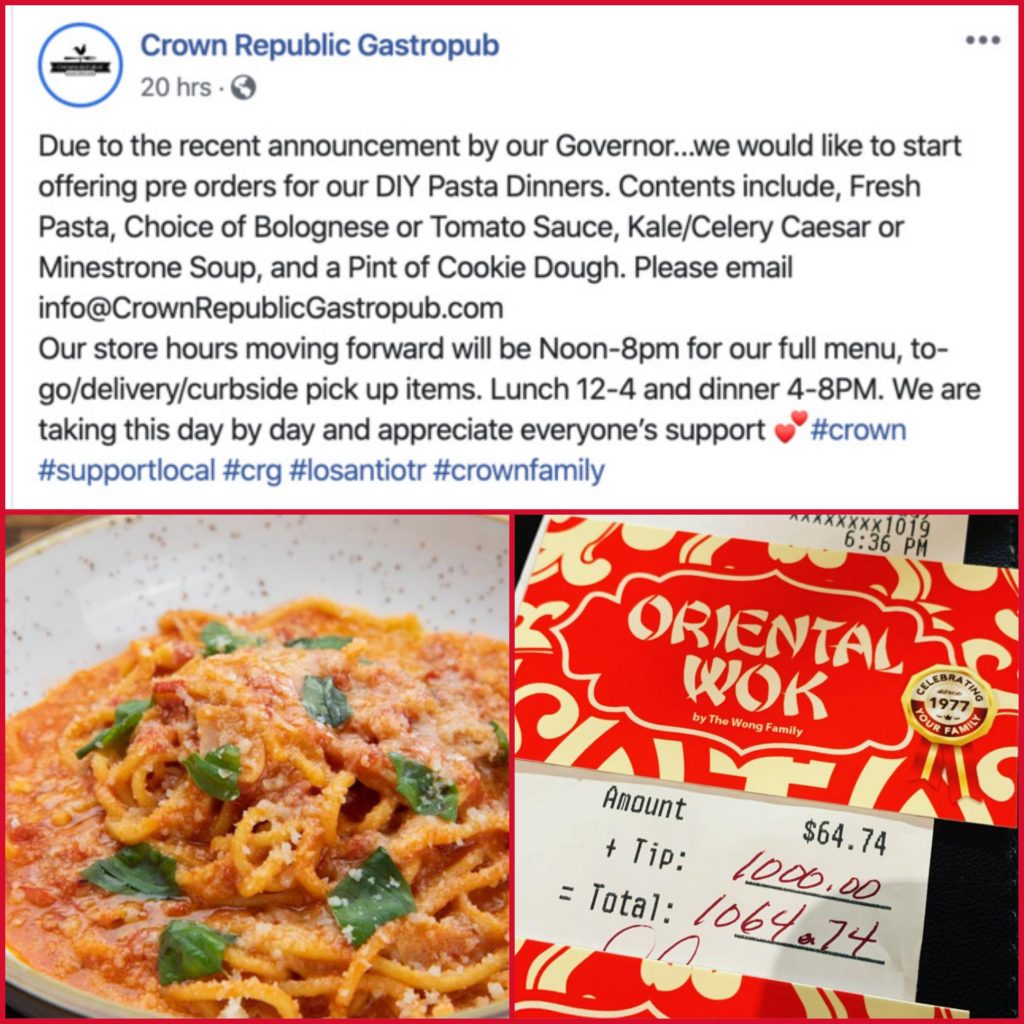
Kirsten Bieler, executive editor of a wine industry newsletter called “SevenFiftyDaily,” said in today’s Dispatch: “Just a few moths ago, when tariff threats were top of mind, we couldn’t have imagined that social distancing, travel bans, and restaurant/bar closures would bring the hospitality industry to a halt.”
We know that travel bans and business closures have already had a negative trickle-down effect on workers and their families. With no clear end in sight, and government slow to respond, what can local communities do?
My lens on this situation comes from weathering three storms during nearly two decades as CEO of Cincinnati’s community foundation: September 11th, the ensuing pop of the tech bubble, and the “great recession” of 2008-09. While money can’t solve every challenge, it helps. When things get tough, the tough get going. What I mean by that is that charitable foundations have the responsibility and capacity to galvanize resources in a short period of time. Collaborating on solutions, pooling funds for efficient distribution, and blending various types of grants and loans, can help ease the financial burdens of small businesses that may otherwise be forced to close.
Take action. Do it now. Help an individual, family, or nonprofit organization that needs your financial support now more than ever, and please support local businesses to the extent possible.
by Kathy Merchant
Photo credits: CityBeat, columbusunderground.com, Crown Republic Gastropub, Fox News Cincinnati/Northern Kentucky, Kathy Merchant, wcpo.com
