
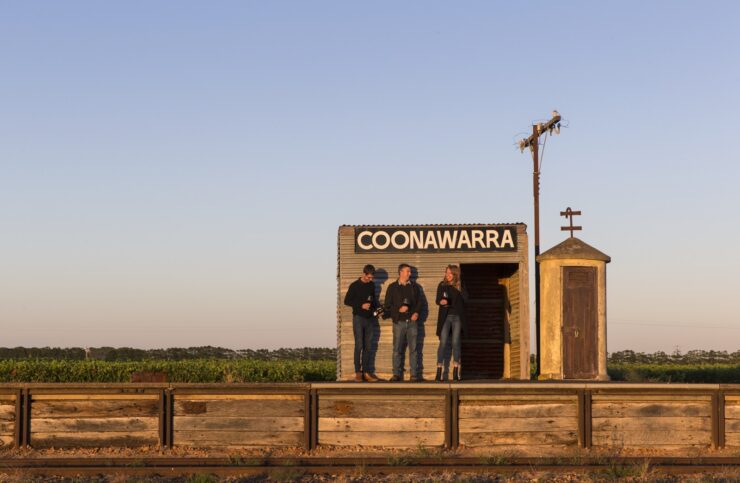
On the Limestone Coast in southeastern South Australia, roughly halfway between Adelaide and Melbourne, Coonawarra is a flat wine region whose best-known vineyards follow a narrow, cigar-shaped strip of vivid terra rossa soil.
Few Australian wine regions are as closely associated with a single grape variety. Coonawarra’s terra rossa is a reddish, clay-rich soil over limestone, colored by iron oxides. The name means “red soil” in Italian and describes soils also found elsewhere, notably around the Mediterranean. In Coonawarra, these well-drained soils and a cool, maritime-influenced climate provide favorable conditions for Cabernet Sauvignon, with a long ripening season helping preserve freshness. Coonawarra’s Cabernet has also earned international recognition: in 2023, Riddoch’s 2021 The Pastoralist won the International Cabernet Sauvignon Trophy at the International Wine Challenge, beating entries from 20 other countries.
Yet behind that established reputation, Coonawarra is changing. A younger generation of winemakers is experimenting with different varieties, picking decisions, fermentation techniques, and winemaking vessels. They are bringing new ideas without abandoning the styles that made the region famous.
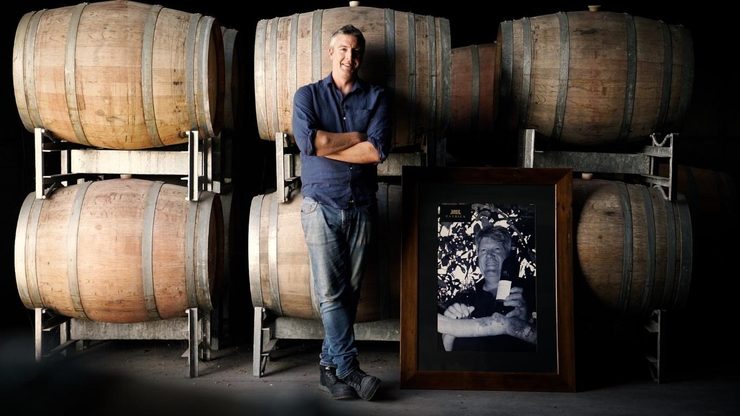
Talking to Luke of Patrick of Coonawarra
To explore that change, I spoke with Luke Tocaciu, owner and winemaker at Patrick of Coonawarra. He grew up among the region’s vineyards, where his father, Patrick, worked as a winemaker before establishing the family brand in 1998. Following his father’s death in 2013, Luke took over the winery.
Patrick is an independent family producer with vineyards in Coonawarra and neighboring Wrattonbully. Its vineyards cover approximately 93 hectares, and annual production is about 96,000 bottles. The business was built around making wine from its own grapes. Its range spans traditional Cabernet and Riesling bottlings alongside the small-batch Méthode wines. Most wines retail for A$20 to A$50 per bottle in Australia, with the flagship Grande Reserve Cabernet Sauvignon priced at A$150.
“I don’t think respecting tradition means you have to keep making exactly the same wines forever,” Luke says. “For us, it’s about having one foot firmly planted in Coonawarra’s history and the other pushing forward a little bit.”
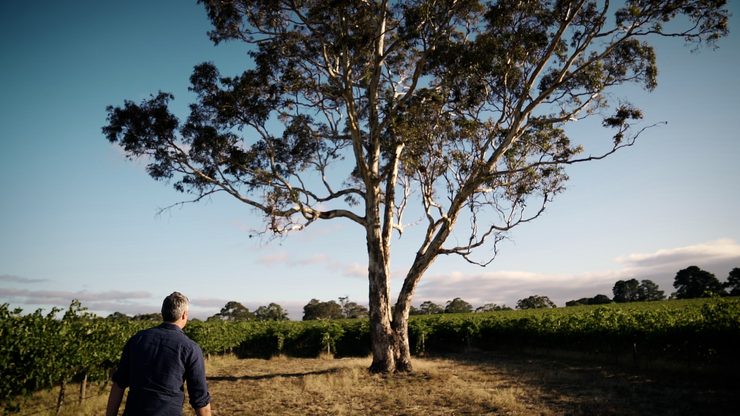
Cabernet at the Center
Any discussion about Coonawarra wine inevitably comes back to Cabernet Sauvignon. Cabernet has not always dominated Coonawarra. Shiraz was the region’s main grape until the 1950s, before Cabernet rose to prominence.
Great Coonawarra Cabernet can show black currant and dark berry fruit, often accompanied by mint, herbal, or eucalyptus notes. The wines can be powerful without becoming heavy, with fine tannins that provide structure and help them develop over time.
“Cabernet will always be king,” Luke says.
At Patrick, Luke has explored two different expressions of Cabernet Sauvignon through his Méthode range. Cab Nouveau, inspired by Beaujolais Nouveau, offers a soft, fruity style for early drinking and can be served slightly chilled. Méthode Eucalypt embraces the eucalyptus character associated with grapes grown near gum trees. Both were first released in 2021 from the 2020 vintage, showing how Luke is challenging expectations of Coonawarra’s signature grape.
Luke describes his father as an experimenter too. Working alongside him, he learned to pay attention to different parts of a vineyard and how they affected the finished wine. Luke brought a scientific approach and new ideas about technology, which his father welcomed. The Méthode range gives that experimentation a wider audience. Rather than blending experimental batches into other wines, Luke can bottle them separately for customers to taste.
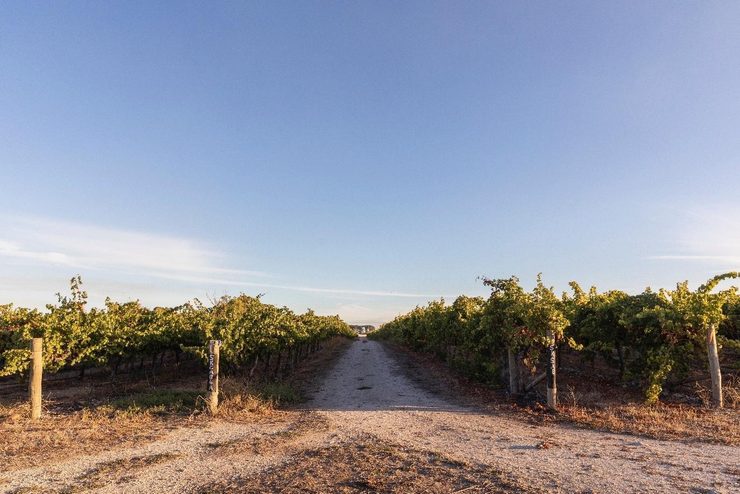
More Than One Expression of Coonawarra
Cabernet may be Coonawarra’s signature, but other varieties can reveal different sides of the region.
Riesling is the clearest example. Coonawarra’s cool growing conditions help the grapes retain natural acidity, producing wines with citrus and floral characters, freshness, and the ability to age well. Patrick’s Two Blocks Riesling combines fruit from Coonawarra and Wrattonbully, with Luke adjusting the proportions according to how each vineyard performs that season. The wine earned gold medals at the 2024 and 2025 Limestone Coast Wine Shows, scoring 96 and 95 points respectively.
Patrick’s Méthode Skinny explores how skin contact and oak can give Riesling greater texture. For the 2021 vintage, Luke increased skin contact compared with 2020 to build texture, describing the result as having more noticeable oak and a nutty character.
Luke’s 2024 Méthode Oakre Chardonnay explores how oak shapes the wine. Sourced from the broader Limestone Coast, it was fermented in three barrels: a new French oak barrel, a larger older barrel, and a barrel previously used for Cabernet Sauvignon. According to the winery’s notes, the new oak contributes toast and spice, the older barrel supports fruit expression and a creamy texture, and the former Cabernet barrel adds a faint ochre color and subtle tannin structure.
Responding to a Changing Climate
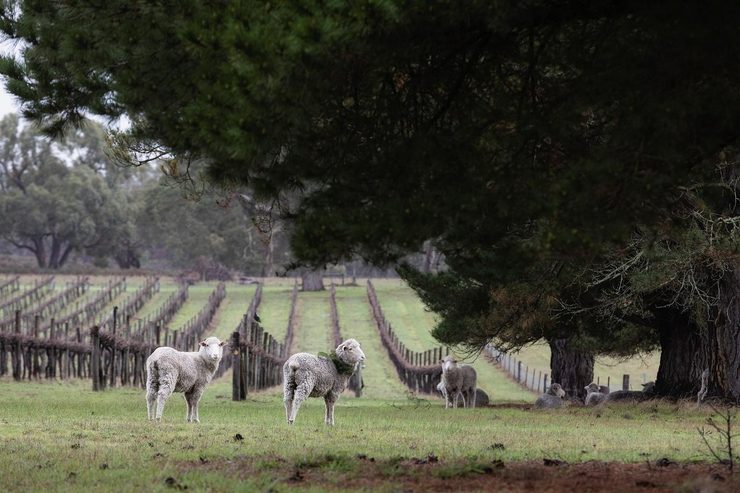
Coonawarra’s future is shaped not only by different grape varieties and winemaking ideas. Changing seasonal conditions are also influencing vineyard decisions. Coonawarra is relatively fortunate because of its cool climate and maritime influence, but the region is not immune to climate change. Seasons are becoming less predictable, requiring growers to pay closer attention to canopy management, soil moisture, irrigation efficiency, and harvest timing.
Access to an underground aquifer is an important resource, helping growers maintain vine health during warmer seasons. However, access to this water does not remove the need to respond carefully to changing conditions.
“I think the biggest thing is being prepared to react rather than following a recipe,” Luke says.
The 2020 season provides a specific example. Cool spring weather disrupted flowering, reduced yields, and delayed harvest. For Méthode Eucalypt, Luke says he picked late to achieve his desired ripeness, describing the resulting wine as more elegant, with softer fruit flavors. In 2021, he picked earlier because the grapes were already ripe.
From Old Vines to the Cellar
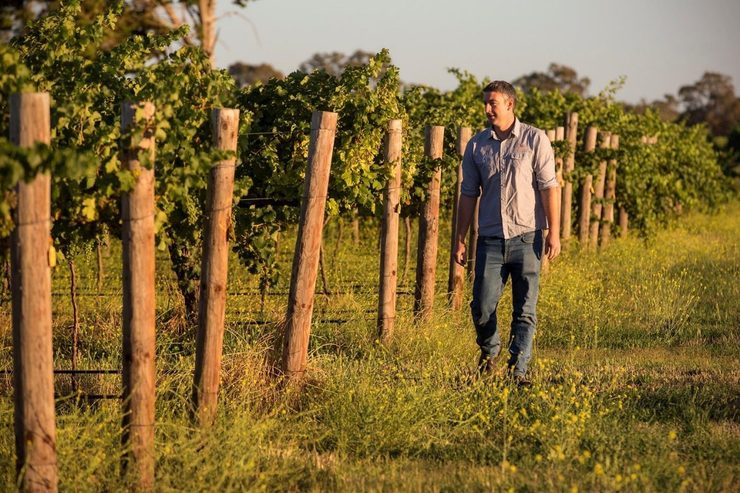
According to the winery, Patrick’s Home Block Cabernet vines average around 60 years old. Surrounding the family home, the vineyard produces just one to two kilograms of fruit per vine and supplies grapes for the Home Block and Grande Reserve Cabernets.
Yet vineyards do not work in isolation. The people tending them must understand each site, recognize how it responds to different seasons, and know when to intervene and when to step back.
“Great fruit gives you the opportunity to make great wine, but you still have to respect it once it gets into the winery,” Luke says.
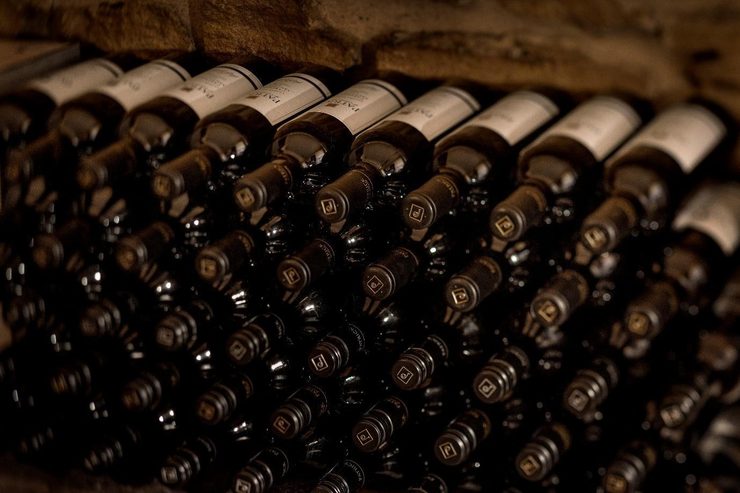
For Patrick’s traditional reds, that means extended skin contact, gentle maceration, and slow fermentation, followed by aging in French and American oak, generally for 18 to 40 months. The winery also holds wines back before release, continuing Patrick’s practice of giving them time to develop before they reach customers.
A More Personal Side of Coonawarra
With its reputation for age-worthy Cabernet Sauvignon and established wineries, Coonawarra can appear formal from a distance. Visitors often discover a different side of the region.
“Probably that we’re more diverse and less serious than people expect!” Luke says.
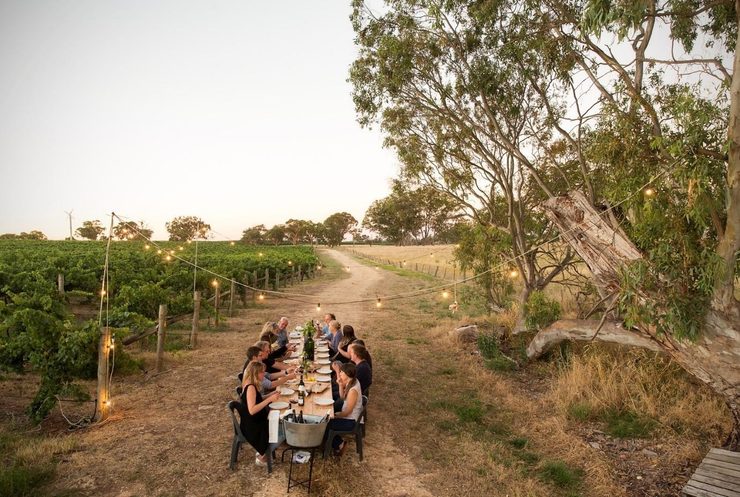
Behind many Coonawarra labels are smaller family producers, each with different wine styles and personalities. The region is also remarkably approachable. Visitors can walk into a cellar door and find themselves talking to the winemaker or someone whose family planted the vineyard.
“That authenticity is one of Coonawarra’s greatest strengths,” he adds.
For first-time visitors, the best approach is to slow down rather than rush from one tasting to another. Driving along the narrow terra rossa strip reveals how compact the region is, while nearby Penola offers restaurants, local history, and another way to experience the community.
Luke recommends visiting the Coonawarra Community Club on the last Friday of the month, when locals gather to share wines. “Bring a salad and a bottle to share,” he says.
What Comes Next for Coonawarra Wine?
The past few years have been difficult for grape growers and wineries, with declining global wine consumption putting particular pressure on demand for red wine. Against that backdrop, Luke says Coonawarra is rethinking how it grows, makes, and sells wine.
For Patrick, that includes developing other export markets. He told ABC News that selling wine into China had become more difficult after an initially strong return following the lifting of restrictions in 2024. He was turning his attention to Indonesia and Canada to reduce reliance on the Chinese market.
Patrick’s experiments already show how customer response can influence what comes next. After the first edition proved popular and sold out quickly, the winery increased Méthode Eucalypt production in 2021, using twice as many grapes. In 2026, the winery added Méthode Spritz, a lightly sparkling Riesling at 8 percent alcohol, designed for lighter, informal drinking occasions. These releases give Patrick new ways to reach drinkers while keeping Cabernet and Riesling at the heart of its range.
If You Go
Getting there: Fly to Adelaide and rent a car for the four-hour drive to Coonawarra or take a connecting flight to Mount Gambier Regional Airport and continue by car for approximately 40 minutes.
Plan your trip: Find official regional travel information, accommodations, and itineraries at Visit Limestone Coast.
Winery visits: Visit Patrick of Coonawarra on Riddoch Highway for cellar-door tastings. The cellar door is open daily from 10 a.m. to 5 p.m.
You May Also Enjoy Reading
Journey Through Australian Wine Regions Aboard the Ghan
Adelaide Hills Wine Country: Sip, Savor, and Soak in the Scenery
Read more from Fred Hadifar on his blog: Bush & Barrel
